Voices
The Fashion Scene In Senegal With Hélène Redolfi-Ferrari 



The fashion industry in Africa is booming, with a unique blend of rich cultural heritage and modern creativity coming together to produce exciting things. We wanted to learn more about this market, so this week we’ll be getting the inside scoop from professionals that are living there. To start, we spoke with French stylist Hélène Redolfi-Ferrari, who has lived in Senegal for a year now. She’ll share how she ended up on the continent, talk about the way the fashion industry works there, what she’s observing in the children’s market, and so much more, so join us as we dive in the fashion scene in Senegal with Hélène!
Hello, my name is Hélène Redolfi-Ferrari! I have been a freelance stylist for six years, working on commercial photoshoots and for fashion media publications. Just over a year ago, I decided to move to Dakar. The idea of leaving Paris had been on my mind for several years; I was longing for the sea, the sun, and nature. But it also needed to be a city where I could continue to thrive professionally and find daily inspiration, which is key for my life as a creative. I was envisioning a city in the South of France, but in the end I fell in love with a place a little further away…
During a trip to Senegal, I discovered the city of Dakar. Something instantly clicked, I fell in love at first sight with its energy and creative effervescence. I said to myself, “Okay, I think everything I’m looking for is right here”. There is an incredibly rich cultural life, many events celebrating the arts in all their forms, and a tremendous flair for festivities and event planning. Everything serves as a pretext for creating an occasion. Above all, fashion occupies a central place there.
When I returned to Paris, I started exchanging phone calls with creatives in Dakar. These began with the designer Romzy, then the stylist and content creator Mously Kébé (whom I had met during one of her visits to Paris), and finally the photographer Khaled Fhemy, to whom I proposed a first collaboration. Then, I grabbed my suitcase and, just like that, I embarked on the adventure!
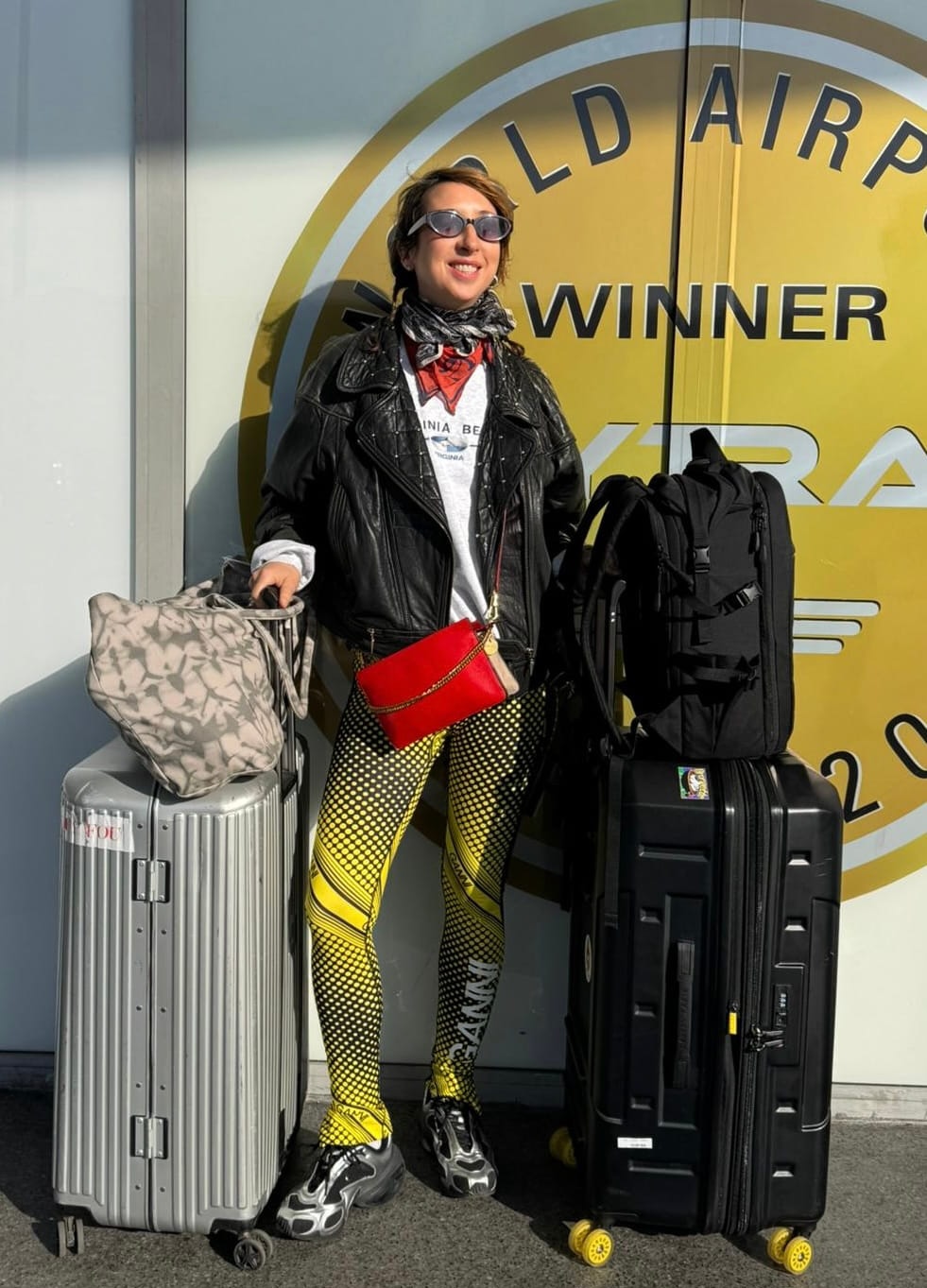 Hélène Redolfi-Ferrari
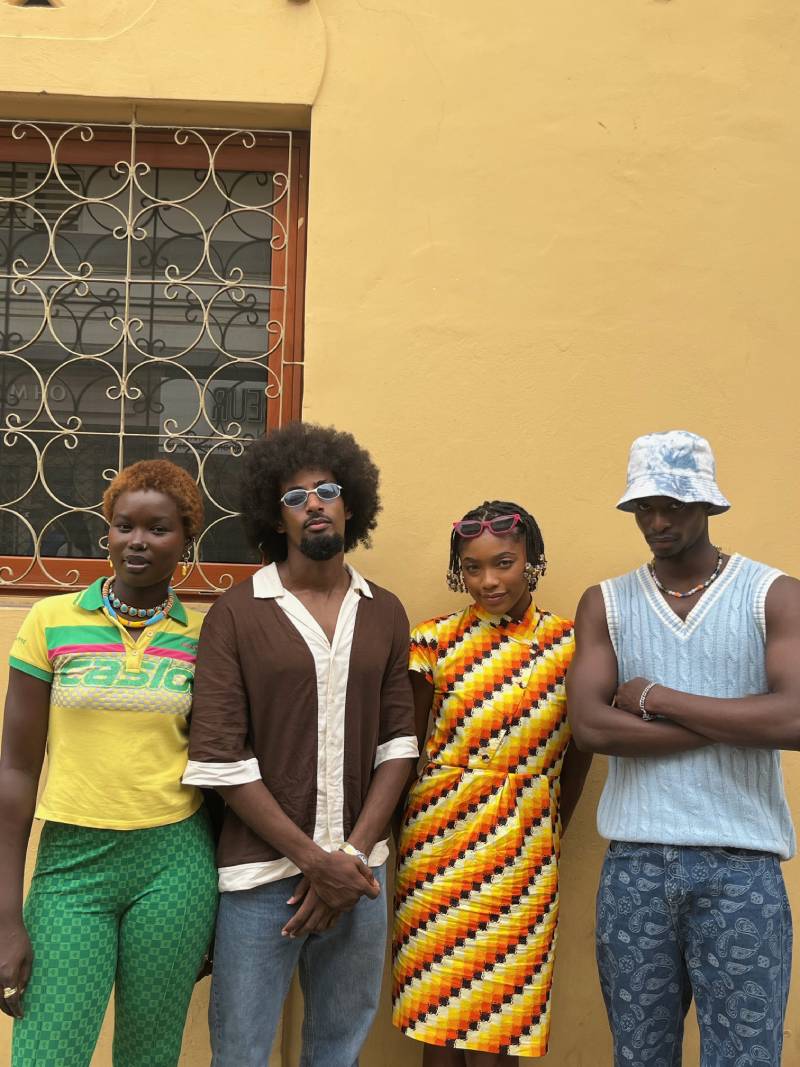
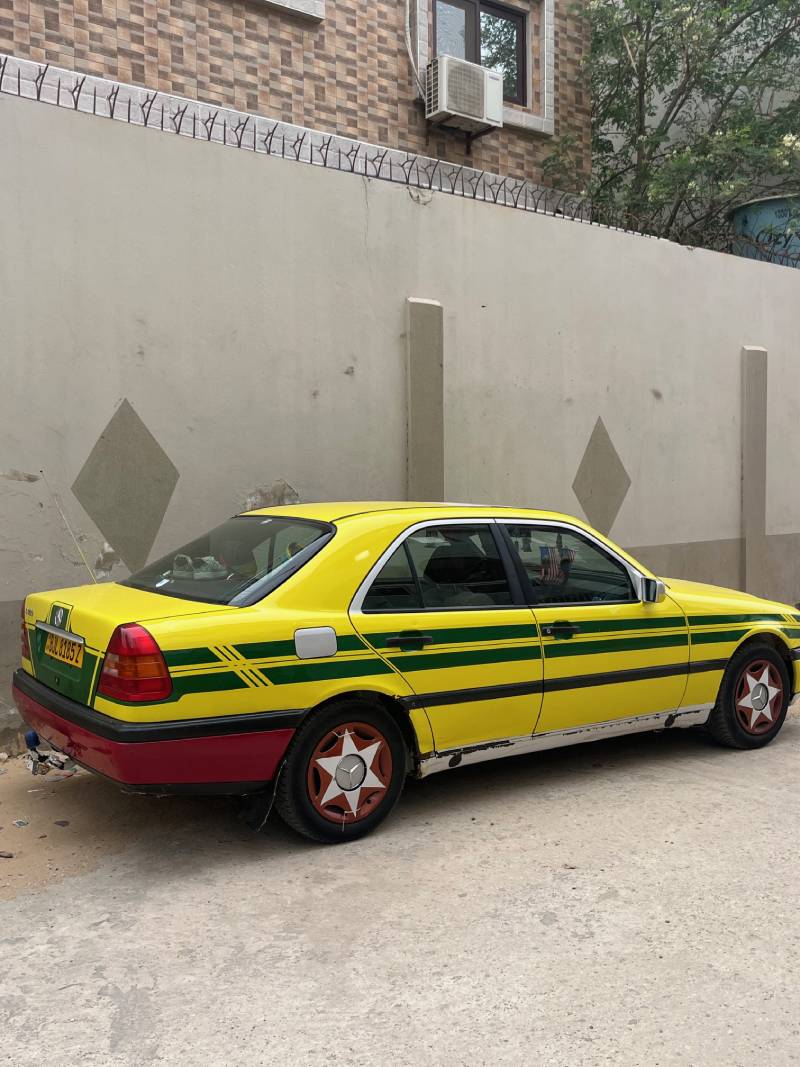
I didn’t know a lot about this city before I arrived, but in it I’ve discovered a new way to approach my work. Above all, I’ve made wonderful friendships and professional connections. It’s a city that fits my style perfectly: it’s extremely colorful, vibrant, and a place where art is omnipresent. I find inspiration in everything, especially on the streets here. The taxis even are incredible, they’re highly customized with colorful furs or rhinestone steering wheel covers. The people are all so elegant, always sporting magnificent styles.
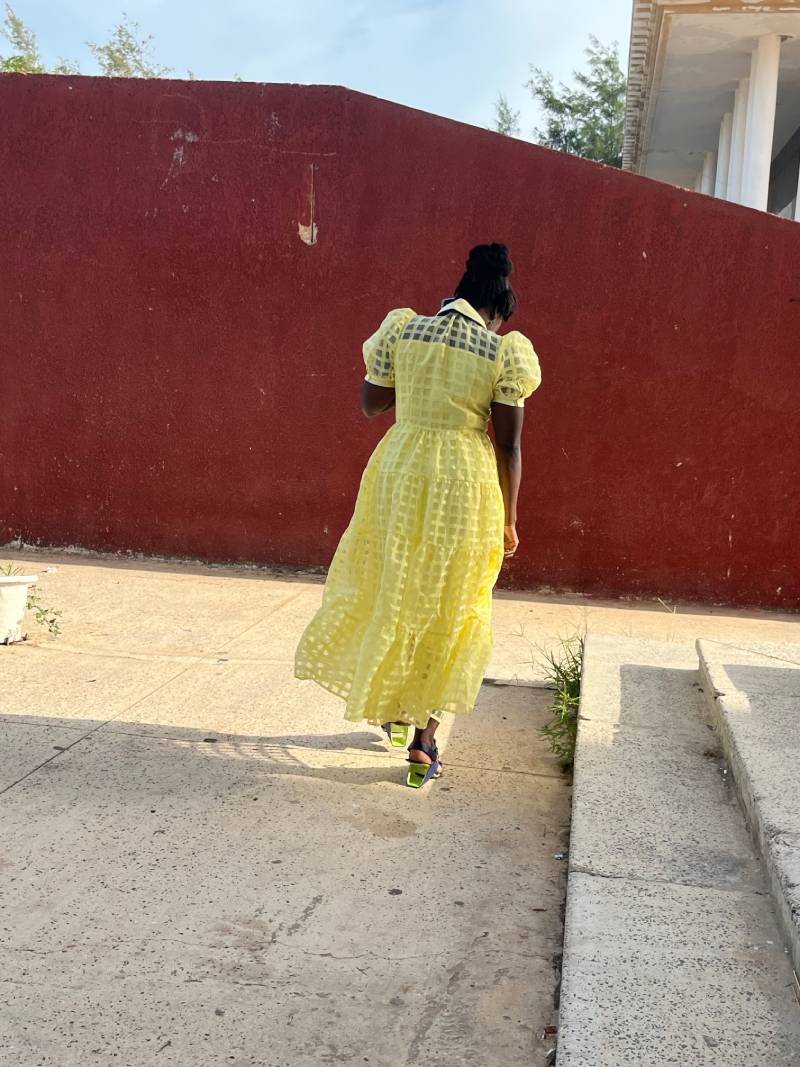
I was lucky enough to arrive during the BAL – the Basketball Africa League – last year, and their fashion show that was organized beneath the Monument of the African Renaissance which featured designers from Senegal and Ghana. It was a magical welcome!
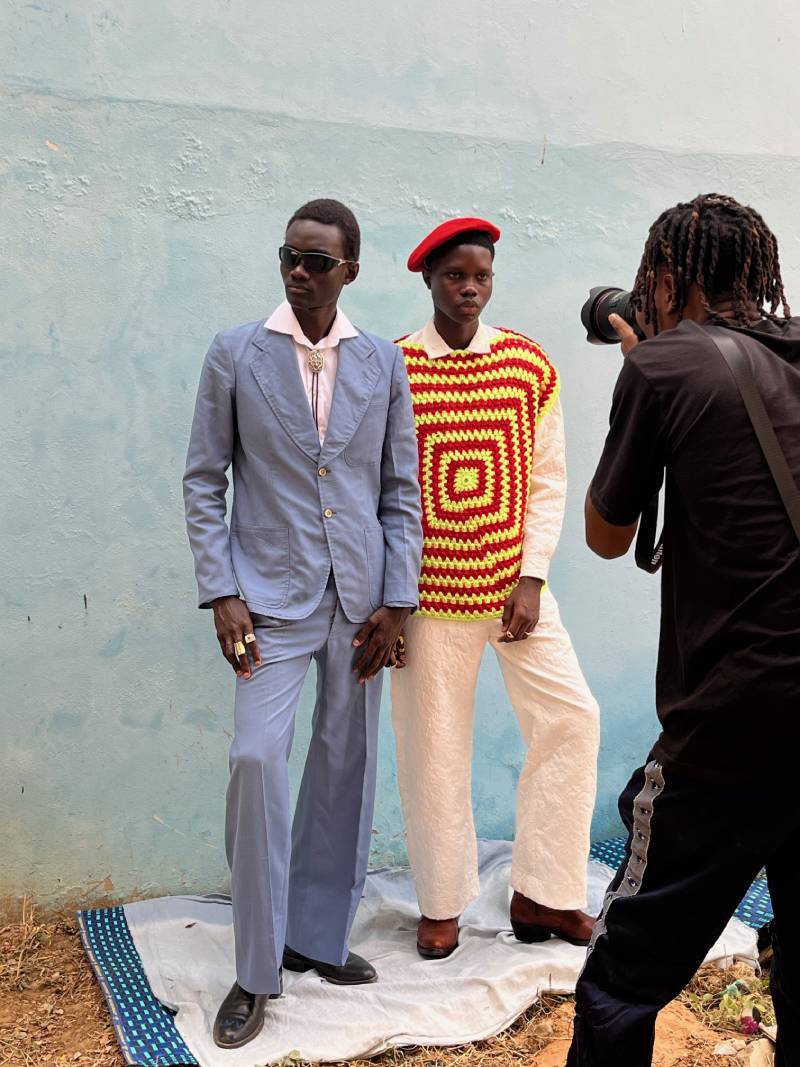
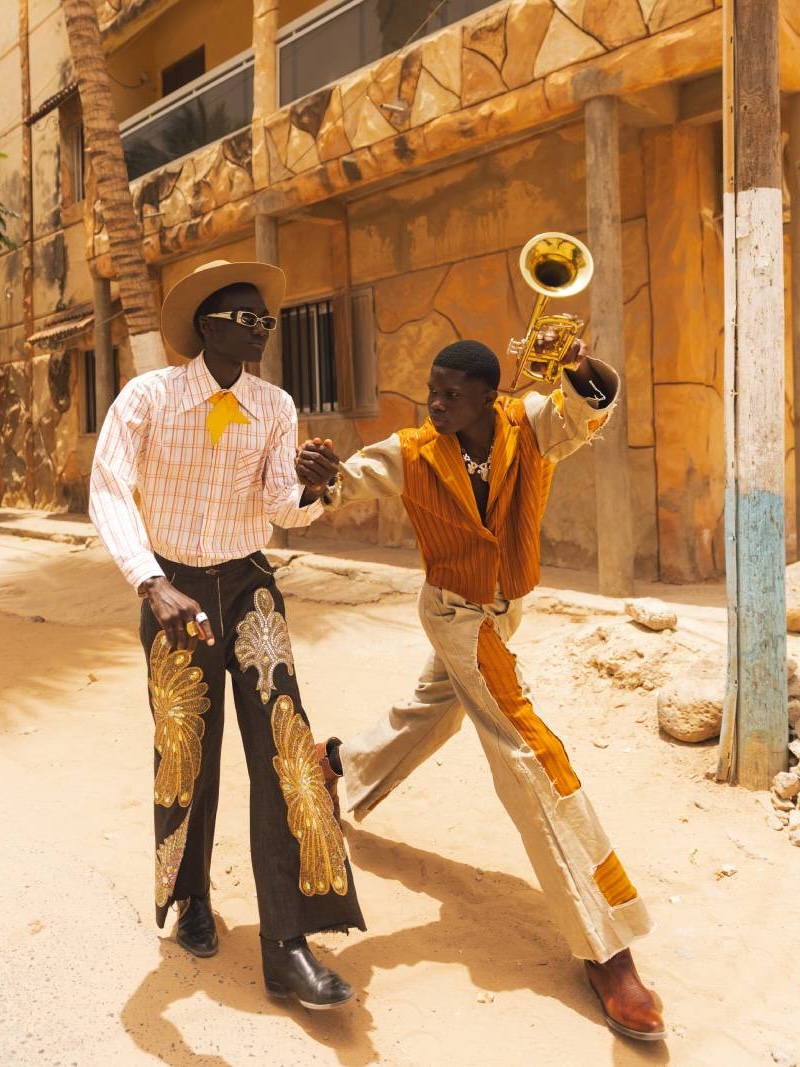
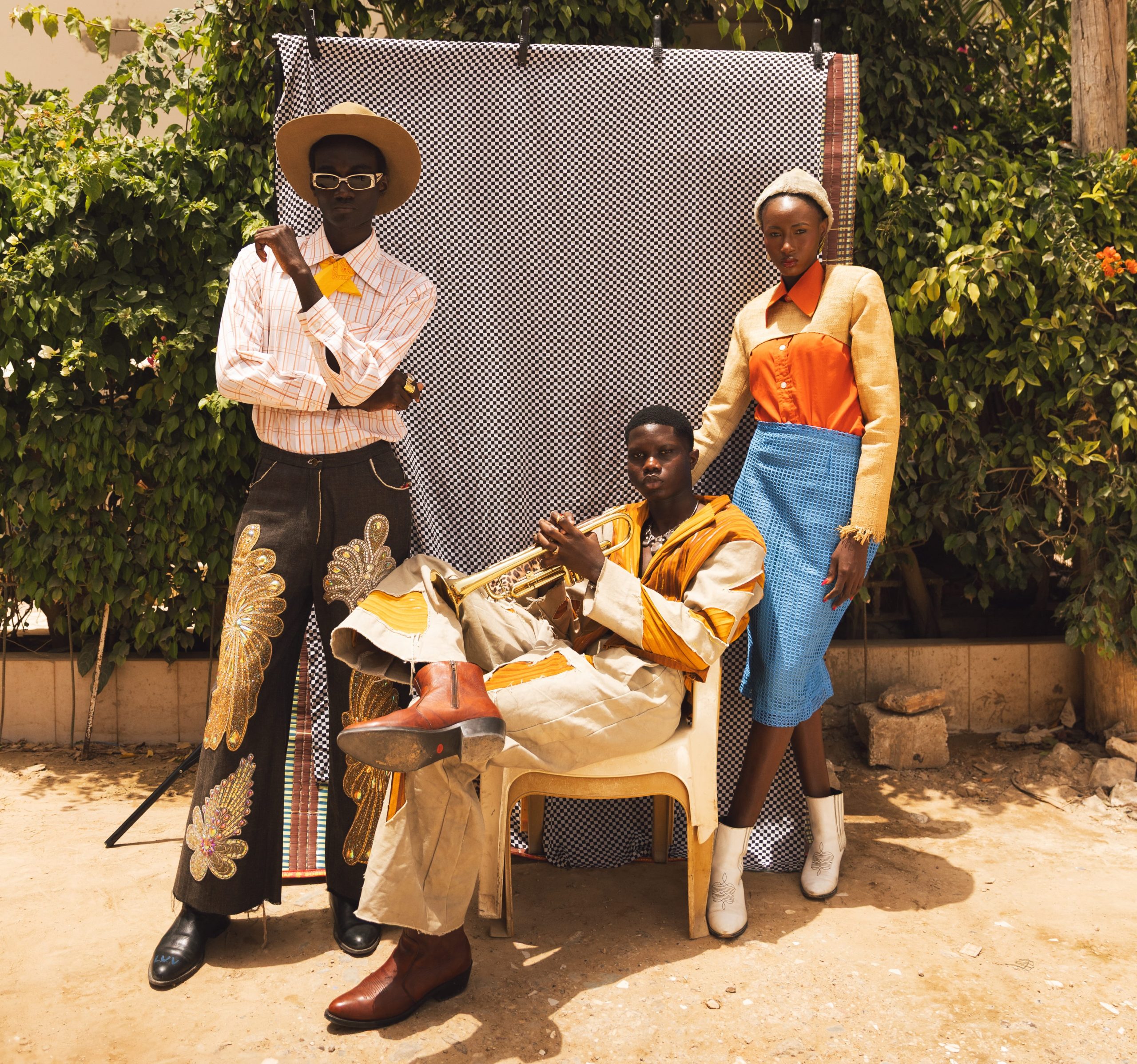
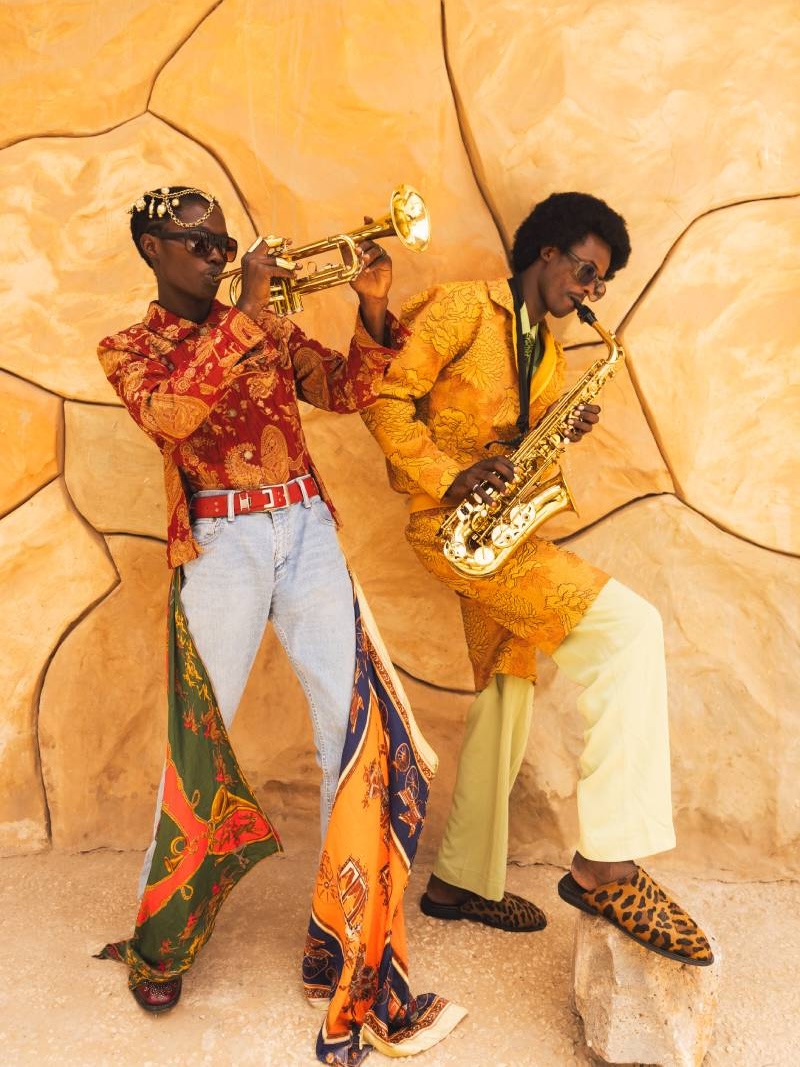
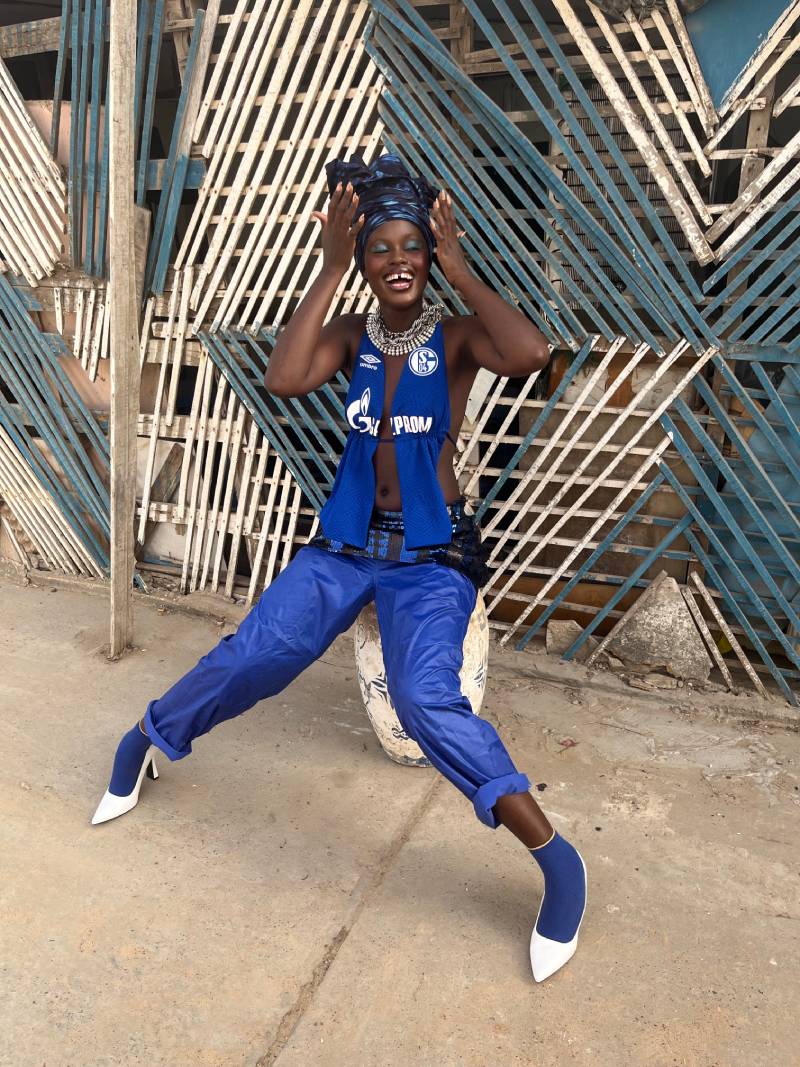
As soon as I arrived, I fully produced my first editorial shoot in Dakar. I was determined to create a project centered around music, so I explored the markets for fabrics to decorate with and accessories. I reached out to every designer I had seen on Instagram to suggest a collaboration, looked for models and shoot locations, and for musicians who could lend me their instruments. This first experience connected me professionally in Dakar. From there, everything moved very quickly! The welcome I received was incredible.
I presented this project to everyone I had taken the time to spend a moment with, and they all said yes. This resulted in an editorial that I am so proud of, “Dakar Sound Project“, which was featured on the media platform Guzangs and produced exclusively with designers in Dakar.
Since then, there have been plenty of shoots for commercials, films, and TV shows. I’ve mainly collaborated with the production company Chouette Prod, whose founder Zena Zeidan is also a photographer with exceptional talent!
Fashion plays a central role in Senegal. It’s a livelihood for a lot of people, with many working as seamstresses, models, and designers. Clothing is of great importance, and deeply symbolic here. Tailors can be found on every street corner, or even working inside people’s homes.
The Senegalese are particularly renowned across the continent for their elegance and flair for fashion. Style is a legacy passed down through generations, regardless of social standing.
Madame Fatou Binetou Ndiaye is an influential woman with a unique, highly refined style. She is the mother of the content creator Mously and Cheikh Kébé, who heads the brand Maison Kébé. Madame Ndiaye has explained to me that on a typical day, she changes her outfit at least three times. There is attire for inside the home, outfits for private moments, clothes worn outside the home, and distinct looks for morning and evening. She credits her sophisticated sense of style to her own mother, who also had a deliberate, creative fashion sense. Her mother would adorn her head wraps with jewelry and, despite her youth and limited means, she knew how to be incredibly inventive with her style. There is a real ritual and deep sense of pride in the way one presents oneself to the world.
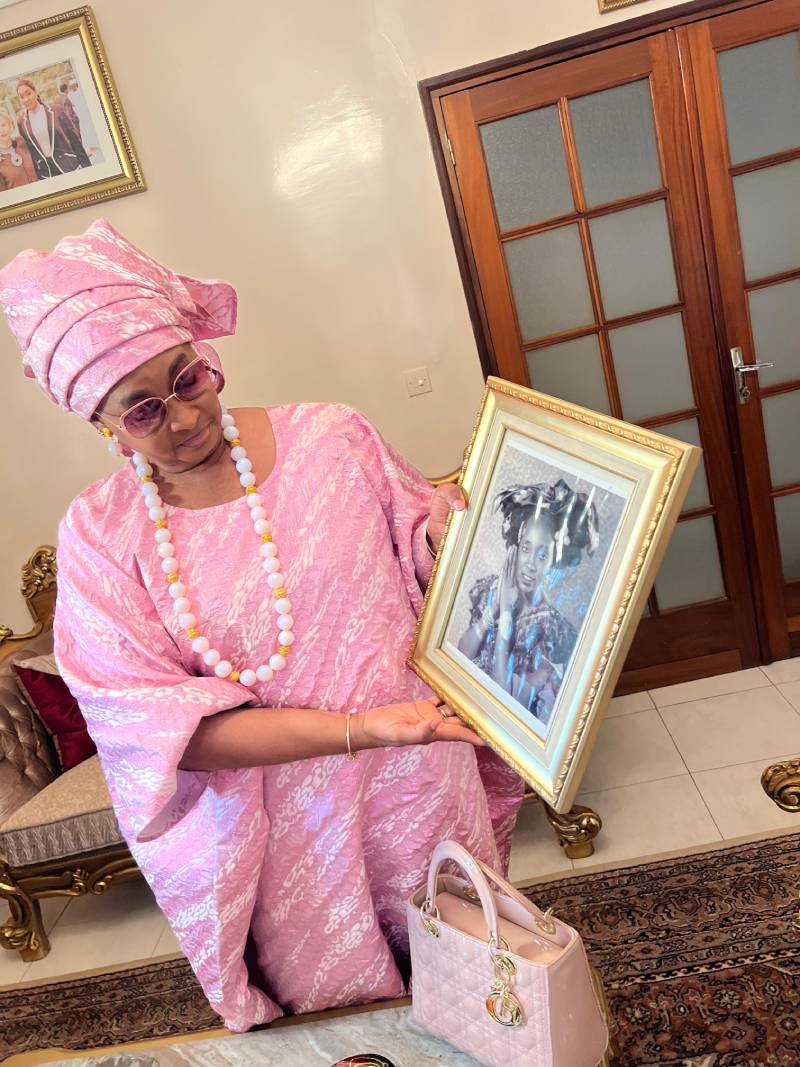
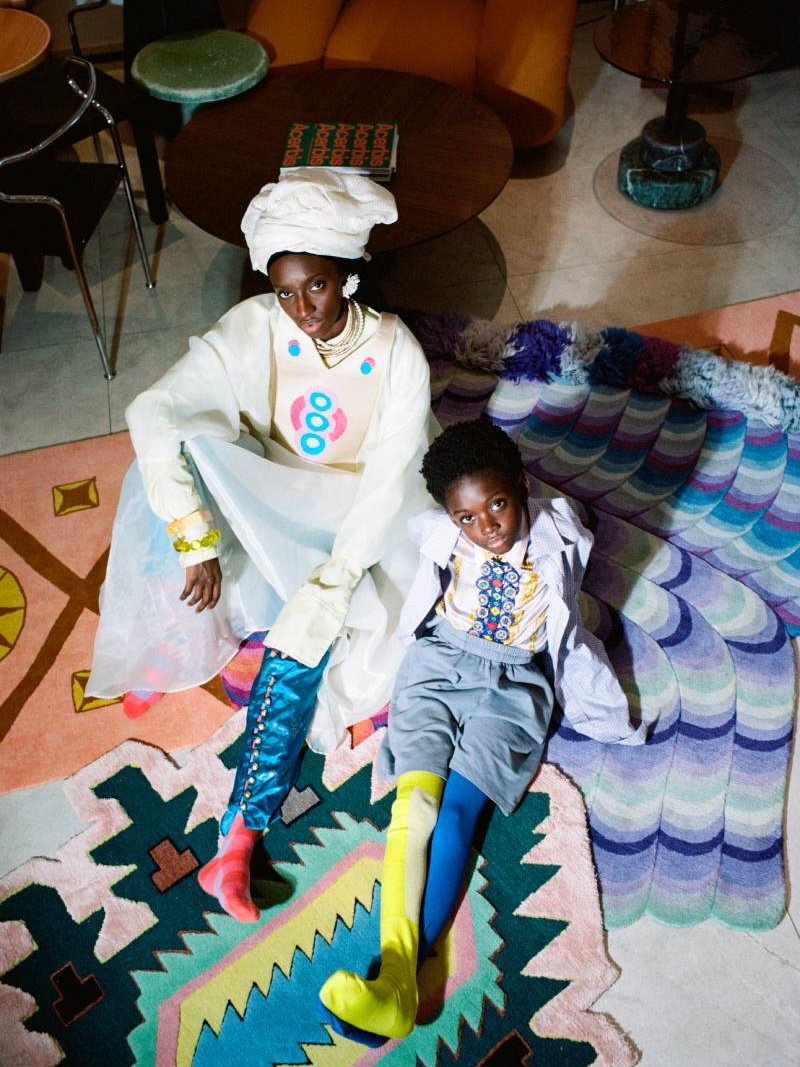
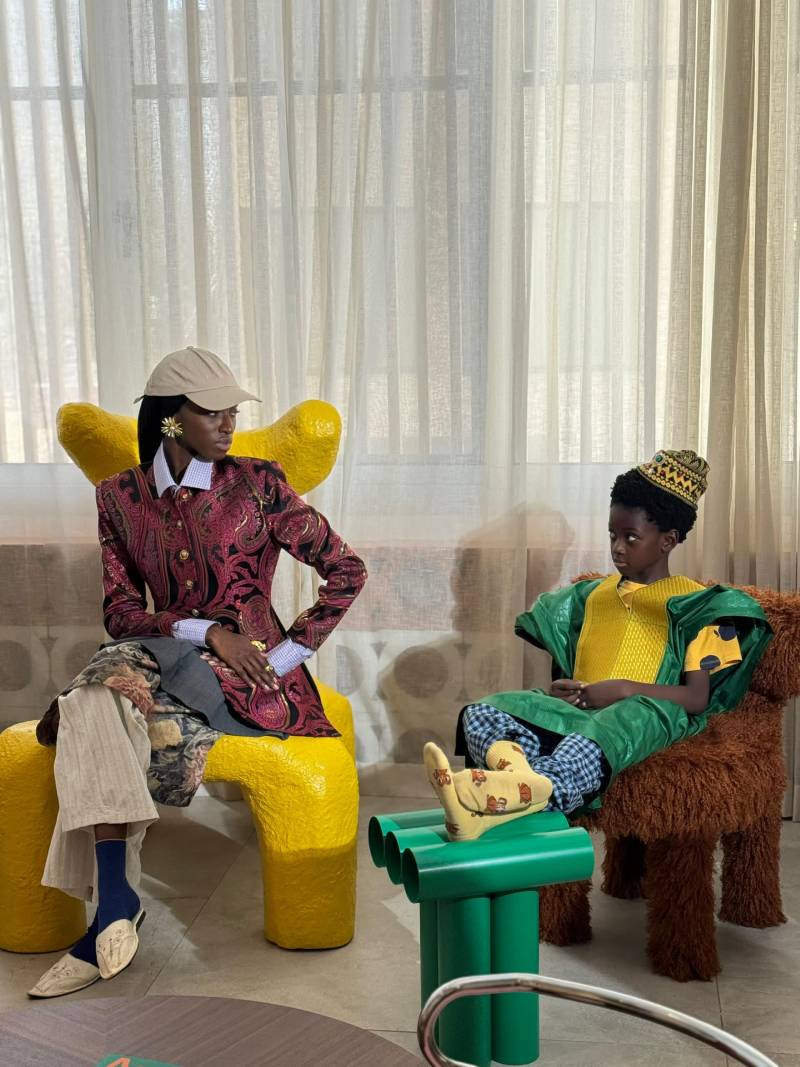
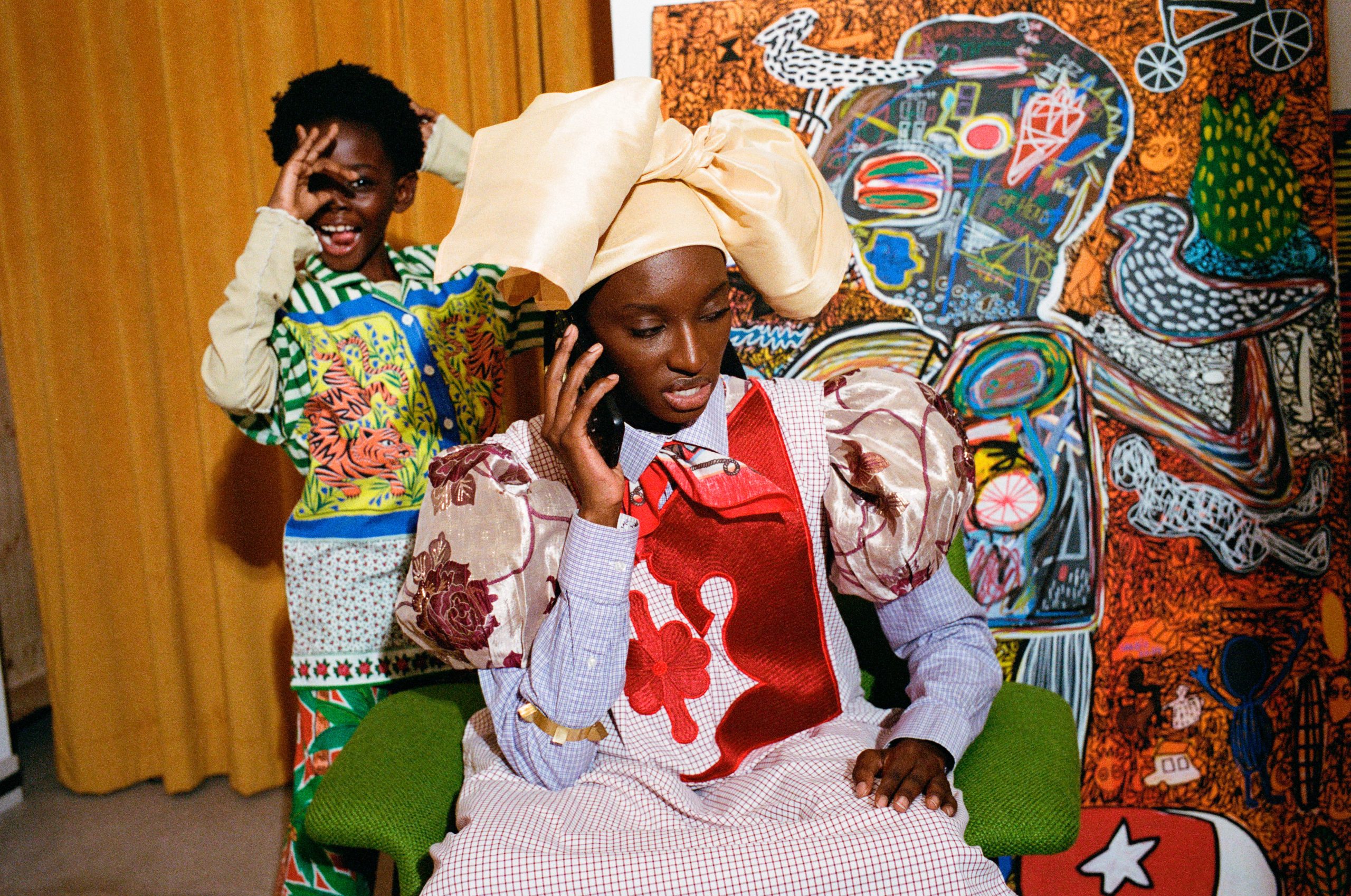 Mously Kébé and her son Sidate for MilK Magazine
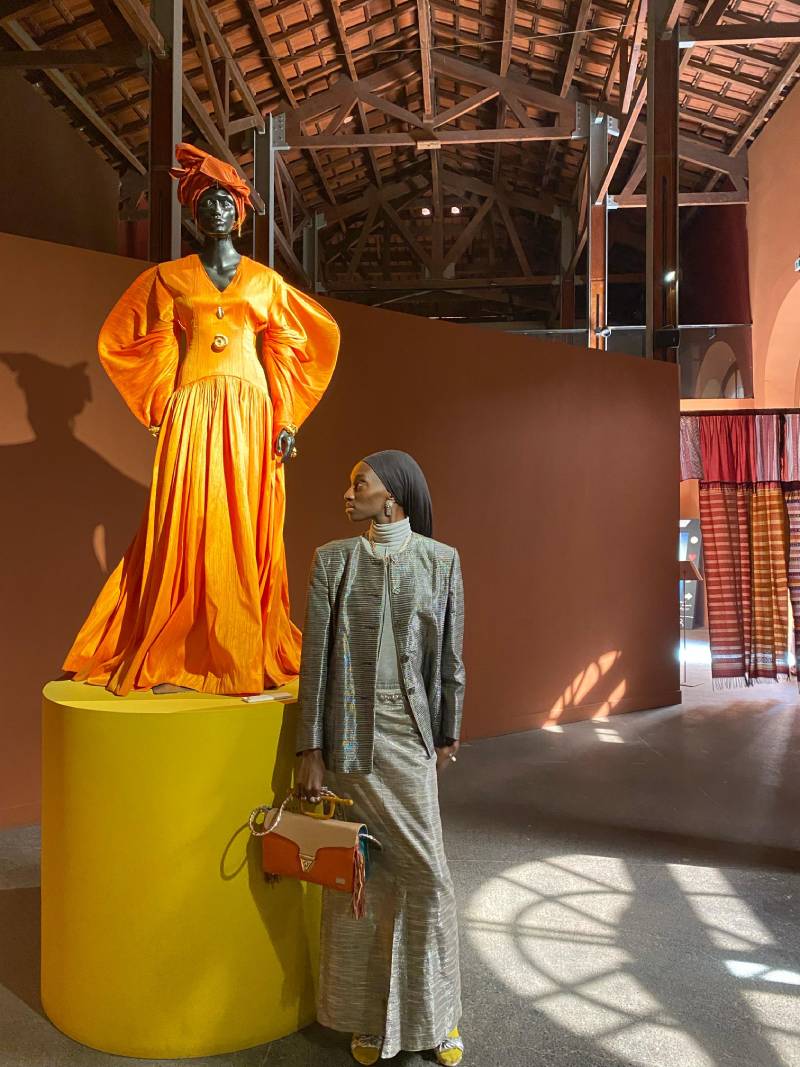
Last year, an exhibition dedicated to “Driankés” was held at the French Institute of Senegal. This term refers to elegant, often voluptuous women, who are respected not only as an aesthetic ideal but also as social and cultural leaders.
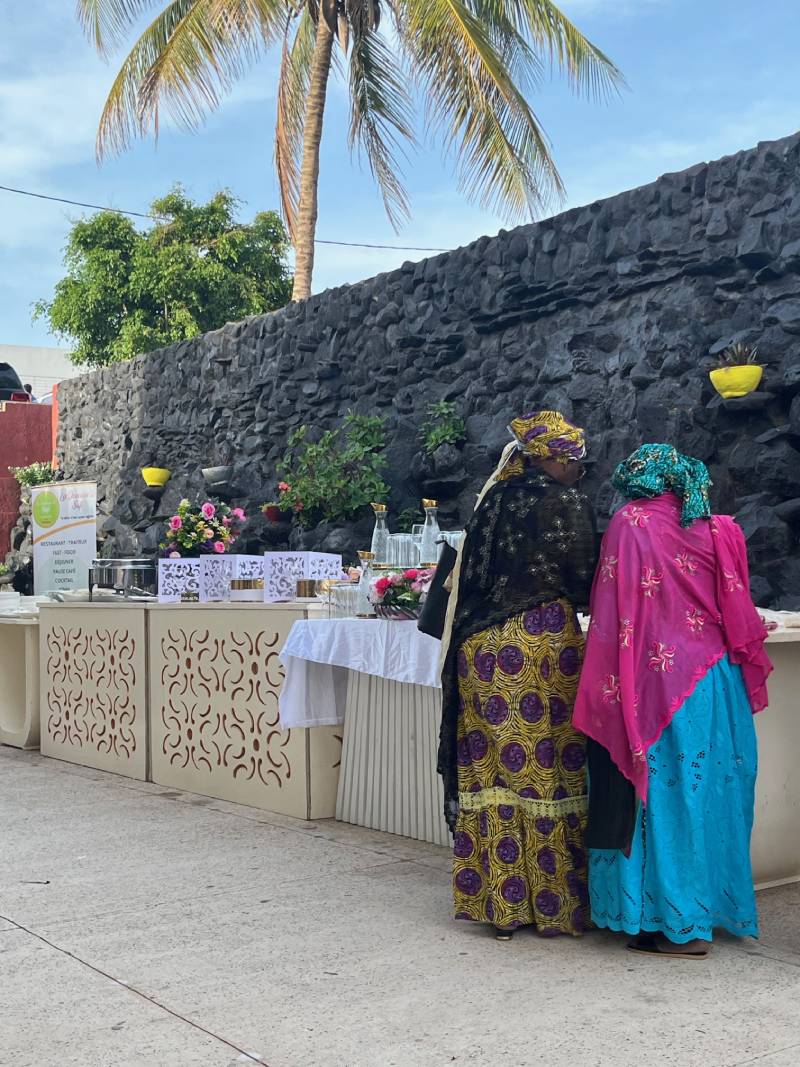
Adults as well as children dress in traditional fabrics for celebrations. Friday, which is known as “le yéré wolof”, in particular is the day of elegance when Senegalese people adorn themselves in traditional attire. On these days, even the bank teller behind the counter is in a dress worthy of a grand wedding! Most often they wear boubous and dresses made of bazin fabric, or tailored outfits crafted from cotton wax prints. This tradition is deeply intertwined with religion and Friday prayers, serving as a means of showing reverence and remaining anchored in cultural heritage.
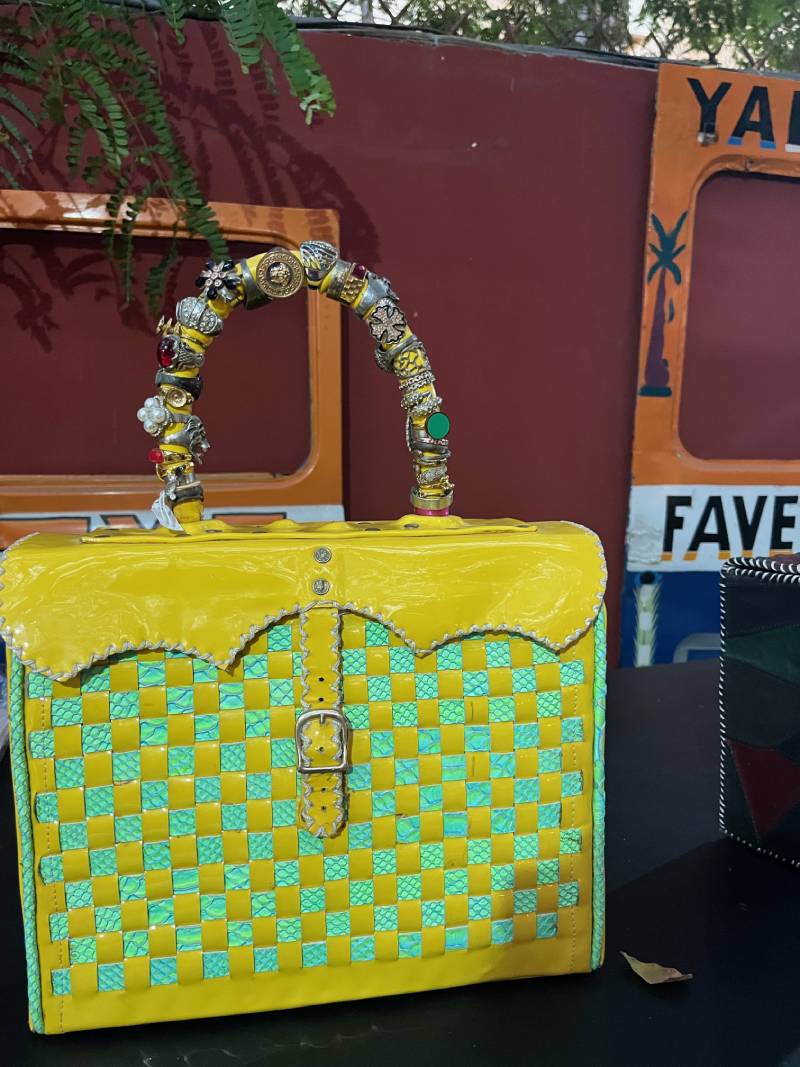
Handicraft and artisanal trades such as embroidery, tailoring, and leather working are highly esteemed in Senegal. Accessories are also highly valued, with jewelry, bags, and shoes being as important as clothing. Both men and women have a great sense of elegance and take great care with their appearance, from jewelry to perfume. I sometimes feel a bit “thrown together” next to my friends who are always impeccably dressed and stylish, as opposed to me who never has my hair done.
Beauty salons hold a special place in Dakar, and can be found all over the city. Women have their hair done regularly, changing their hairstyles as much as they change their outfits. For them, it’s part of the culture. They are elegant from head to fingertip!
Senegalese people keep traditional garments in their wardrobes to be worn for special ceremonial occasions. During these moments, they wear the traditional boubou that can be simple or highly stylish and elaborately reworked. Some designers reinterpret this garment in extraordinary ways, such as L’Artisane who studied fashion in Paris before deciding to return home to Dakar to build her business.
Clothing tells a story in Africa; the messages are hidden in the garments, specifically in the wax prints, allowing us to convey meaning. So much is communicated through clothing, it’s fabulous!
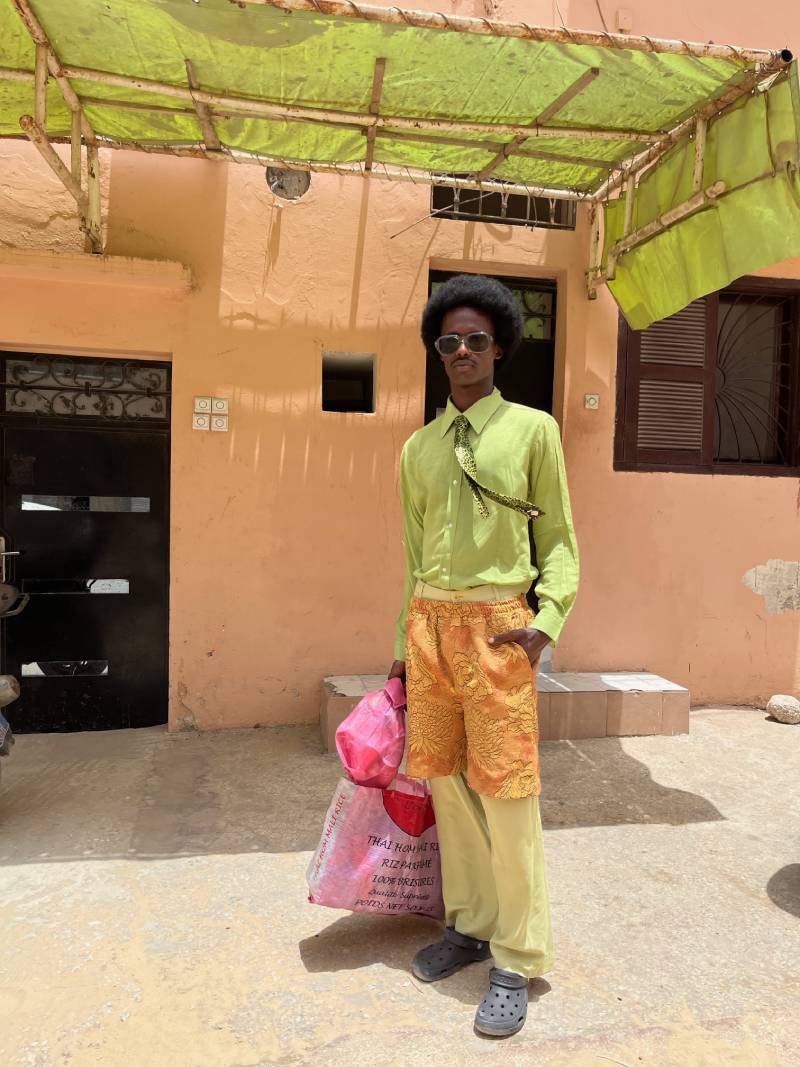
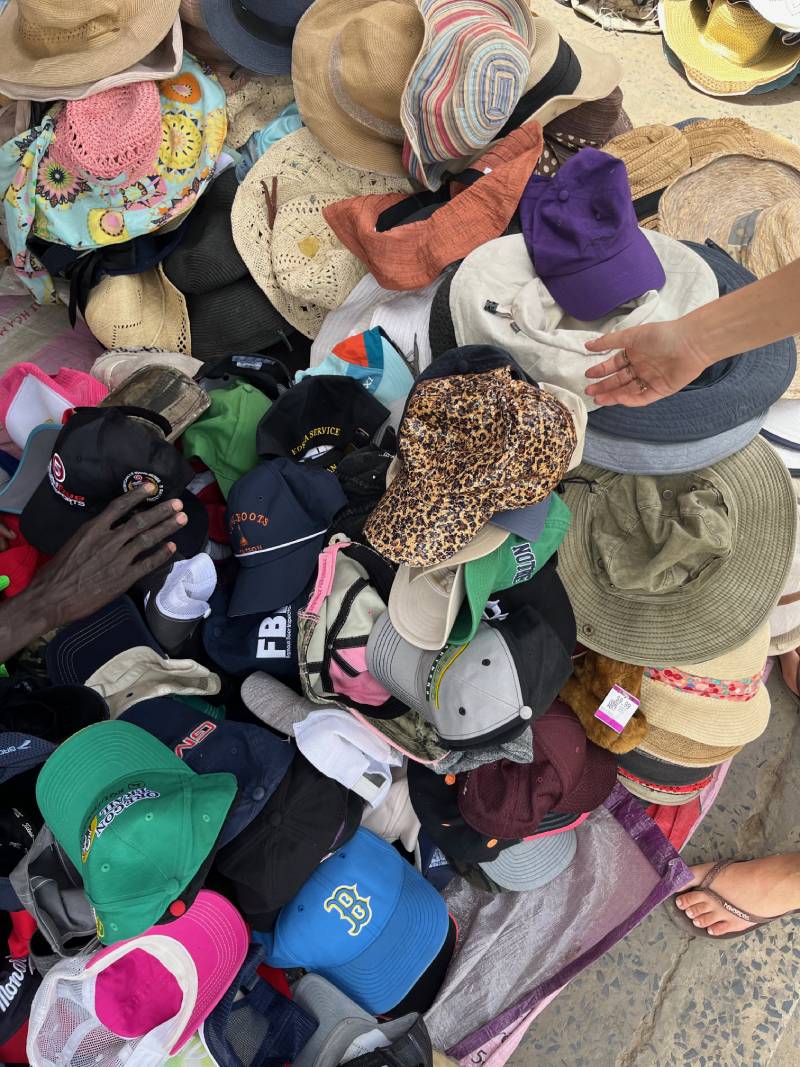
Thrifting has been an integral part of life in Senegal for a while now. The majority of my friends in Dakar shop for their clothes at the local markets. Designers also go there to find inspiration and pieces to customize, something I’ve been doing a lot of as well since I began working here. Mously told me this has become something people embrace openly, especially with the recent rise in popularity of thrifting and secondhand items. In the past it was often a necessity due to limited means, but now everyone is able to find something they love in it. There are also a lot of street vendors that sell a bit of everything.
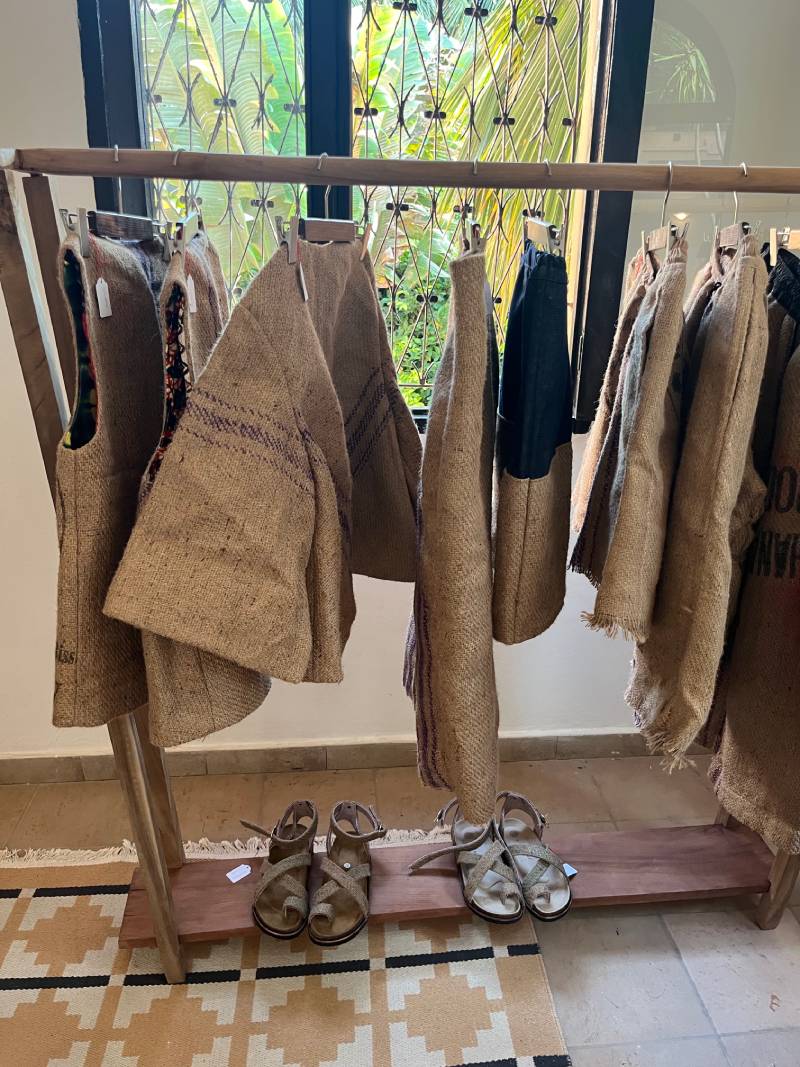
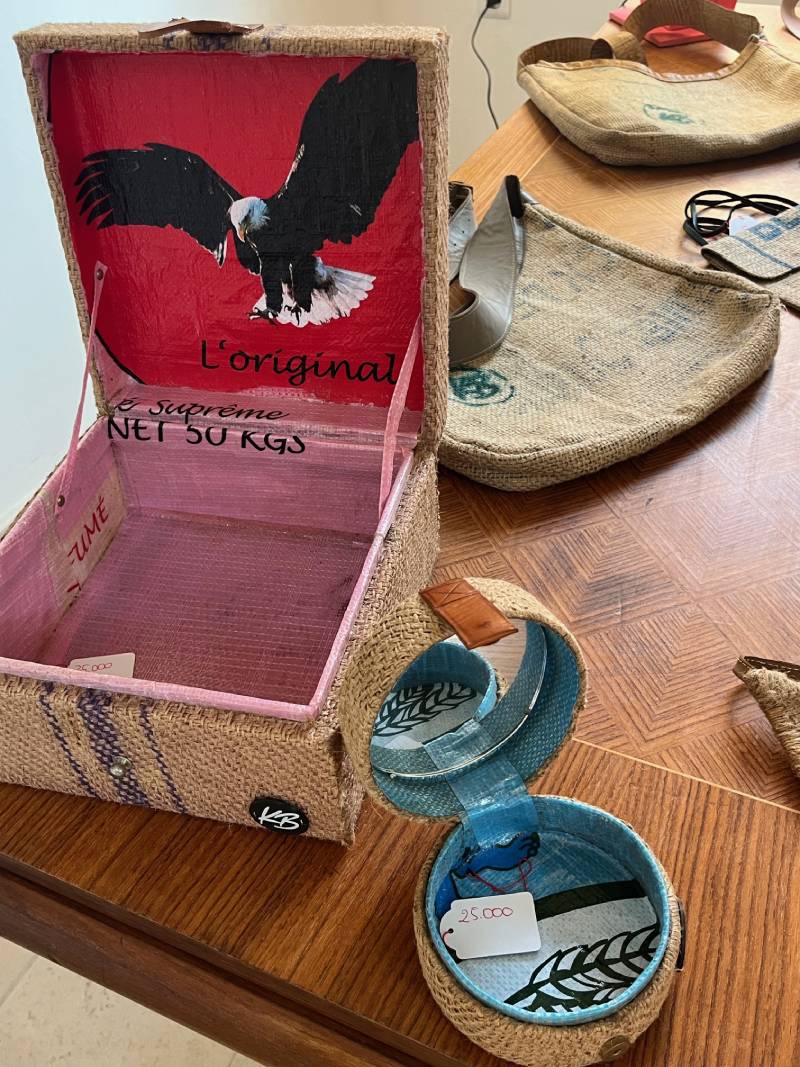
Upcycling has long been present in Senegal as well, rooted in the practices of salvaging and repurposing materials. Pape Diouf, founder of the brand Guiss Guiss, has built his entire brand around this principle. He’s very active in Switzerland, where he notably transforms football jerseys into super stylish tops and dresses. The founders of KB Upcycling repurpose burlap sacks used to transport potatoes and woven plastic bags for shipping rice that otherwise would pollute the streets of the city, transforming them into incredible clothing and accessories.
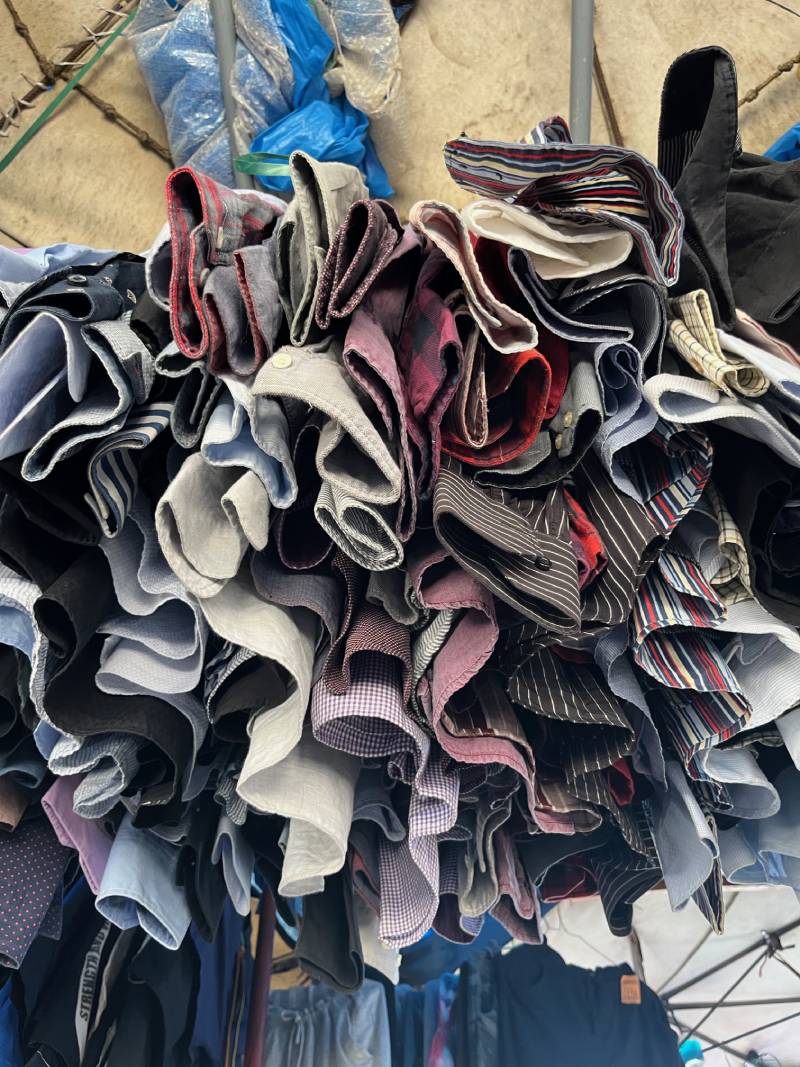
To speak about fashion in a larger sense, contrary to France where most of it is consolidated in Paris, Africa is an immense continent that draws inspiration from multiple areas. Though I’ve only been on the continent a short time, I’ve observed Senegal, Nigeria, Côte d’Ivoire, South Africa, Kenya, and Ghana spoken about the most in terms of fashion-related activities and global influence.
Senegal holds a key position in the fashion world, hosting designers and fashion industry professionals. Dakar’s fashion week has been orchestrated for the last 24 years by Adama Paris, a woman deeply committed to promoting African fashion. It has also helped local brands expand internationally.
The brands being talked about here are designers that use handmade techniques and highlight artisanal art, as well as those championing upcycling, recycling, and customization. The most successful also export their work to the rest of the continent and around the world. Designers here are very active on social media, collaborating with artists, signers, dancers, and other creatives from around the world. At the same time, they work closely with the artisans around them as well. A lot of brands sell on TikTok or through WhatsApp groups, which isn’t as common in Europe.
Modeling holds a significant place here as well. Many young people take runway classes and participate in fashion weeks, both locally and in other West African countries. Some are even represented by agencies in Paris, Milan, and New York. For some, modeling serves as a way out of hardship and as a means to support their families.
Fashion is in the midst of a revolution, and brands are increasingly making waves on the international stage. It’s a time of intense change, with Senegal currently building the largest commercial port in West Africa.
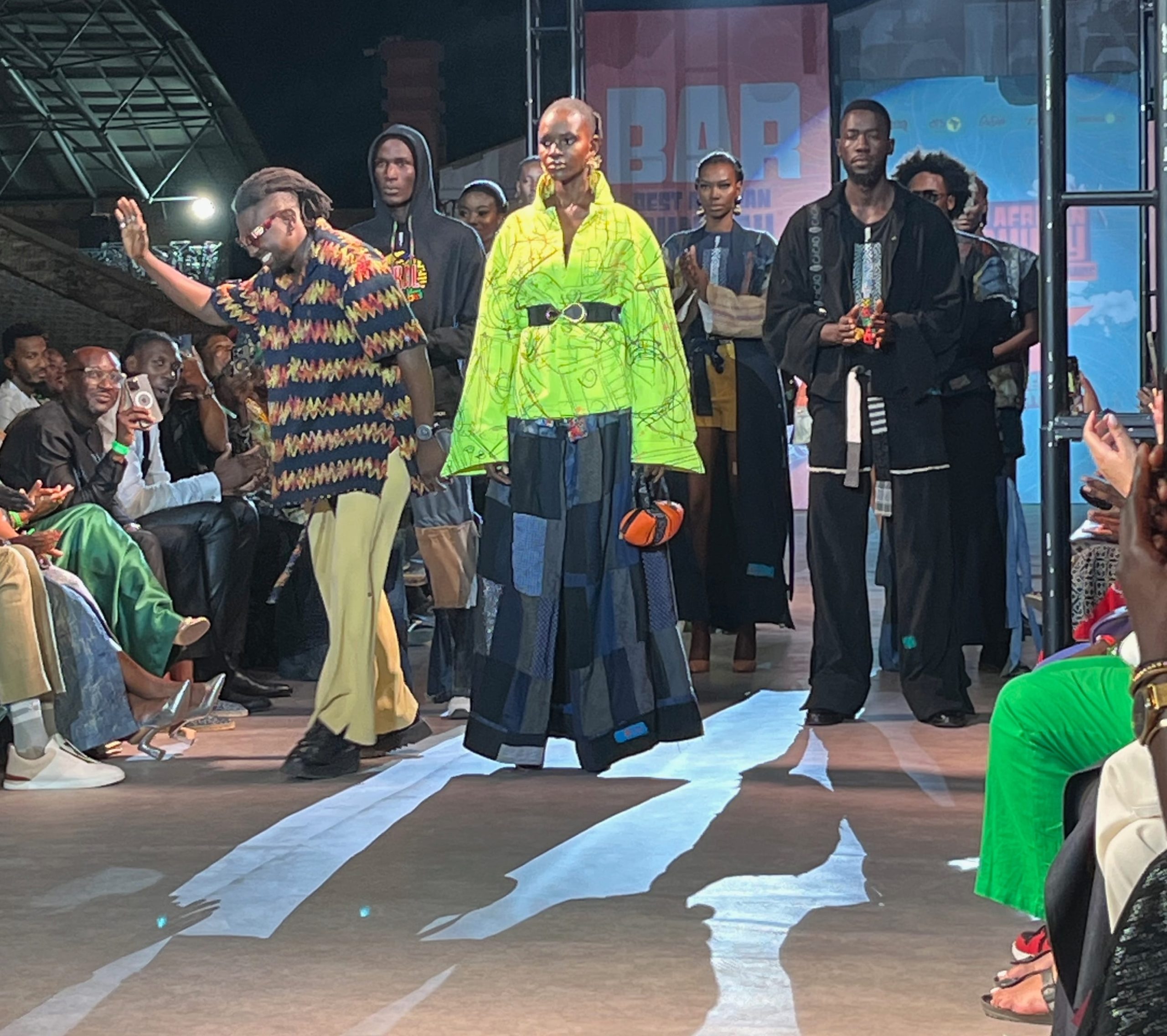 Chocolate Clothes Global, Basketball Africa League Runway show 2025
It is worth highlighting that the large Lebanese community is primarily responsible for owning and operating local businesses. They also import numerous concepts from abroad, because they regularly travel between France, Lebanon, the United States, and West Africa. This community significantly adds to the dynamic nature of the market.
There are many types of consumers, with a majority of them shopping at the markets. They also buy a lot of fabric to sew their own clothing or have them made, which isn’t very expensive here. Each family has people that know how to sew or cut patterns.
A lot of young people customize the clothing they find at the markets themselves, creating incredible looks. Everyone is very creative and resourceful, with a keen sense of style that transforms the ordinary into the exceptional.
Wealthier consumers go to shopping centers and major retail chains, with a significant presence of French and Spanish mass market groups. These customers travel often, so their styles are a mix of traditional and foreign influences. This is a defining feature of Senegal’s uniqueness, according to Madame Ndiaye. Senegal draws inspiration from France just as much as it does from China or the United States.
There are multi-brand stores that sell luxury goods as well. Just like in Europe, affluent individuals like to wear luxury brands and dress in a maximalist style. We express who we are through our style.
People compliment one another with ease, and aren’t afraid to ask where someone found a product. I love it!
Fine craftsmanship including embroidery, weaving, jewelry-making, sculpture, and dyeing flourish here. Exceptional designers can be found right on the street corners, they are truly part of the city. Designers are accessible and people know them. I find it really cool to be able to promote designers that are on your own street!
These designers continue to work closely with couturiers and keep the traditions of craftsmanship alive, a noble feat in the era of fast fashion. Chanel perfectly captured this concept during its Métiers d’Arts show in 2021. This event held immense significance. It saw Senegalese savoir-faire celebrated, and helped solidify their reputation on the continent and throughout the world. This also motivated a lot of creatives to launch themselves in Senegal’s capital.
Expertise is passed down from the elders to the younger generation, and continues to endure. There is a strong emphasis on handmade craftsmanship and traditions.
What is emerging are brands poised to upend traditions. Those creating hybrid clothing, men’s kilts, and incredible silhouettes, and that are also gradually breaking away from the traditional attire that has long been the subject of reinvention.
Younger generations want to use the expertise that has been passed down to them and adapt it to the tastes of today. The continent is being influenced by global artists, and is ready now more than ever to express itself, demonstrating just how firmly it has secured its place in the global fashion world.
There are a lot, but to name a few: Romzy Studio, Kakinbow, Gelisa George, Let’s Wear Vintage, Gringo Custum, KB Upcycling, l’Artisane, Maison Kébé, Sokolata, Debbo Dakar, Code Style x Dioyana Style, Nkuhuru studio, the Kaak Society, Niuku Original, Guiss Guiss, Oghewa design, Maison Audace, Mushei Street, Monsieur et Madame Dakar, Maison Detta, Algueye, boyparisdakar, Sisters of Afrika, Couleurs Complémentaires, Nyara, Meissa Biguey, Studio Wude, Jacquie Créations, Monica collections…
There are also magnificent design boutiques, including Farah Gorayeb’s studio, Dakar Vintage, Karabane, Upcyclers Dakar, and plenty of others.
They draw inspiration from a variety of sources: traditions, nature, music, dance, painting, even the streets around them. The designer Romzy created a magnificent collection titled “Skin Print‘ which addresses the discrimination related to skin, notably for people with vitiligo.
A young brand making its runway debut during fashion week, mayamakhfoussdesign, was inspired by the Lebou people, a community whose livelihood is rooted primarily in fishing which is today threatened by the construction of West Africa’s largest port in Diamniadio.
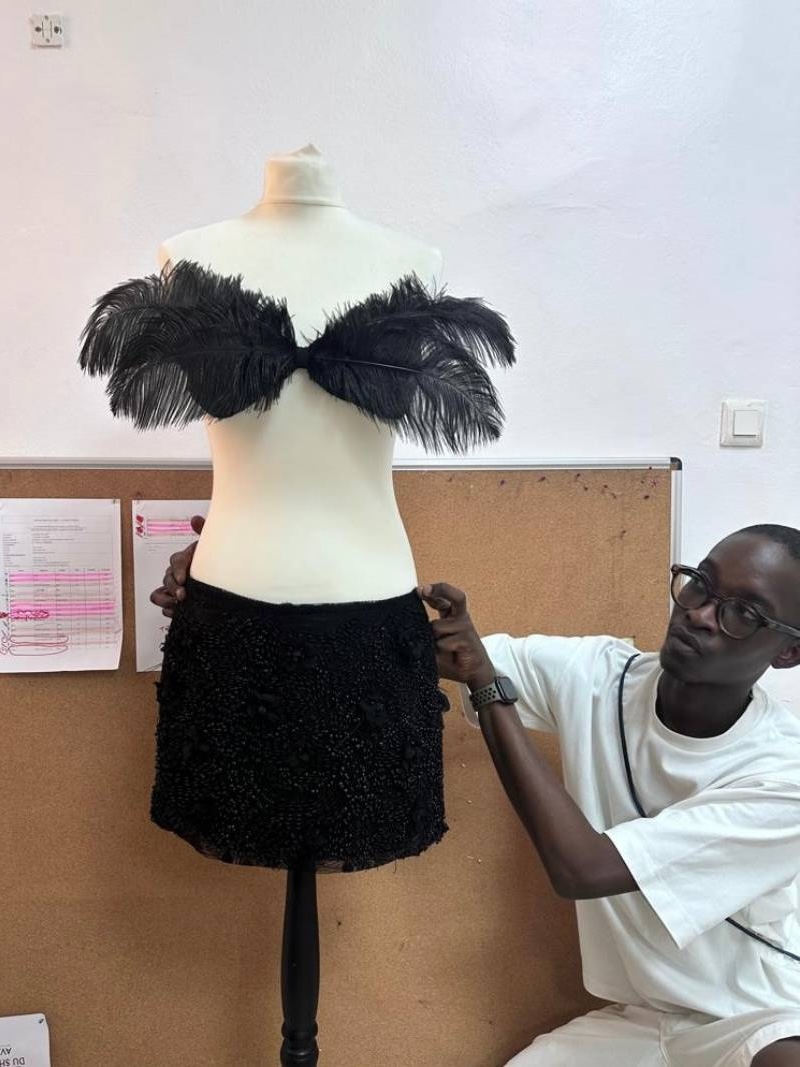
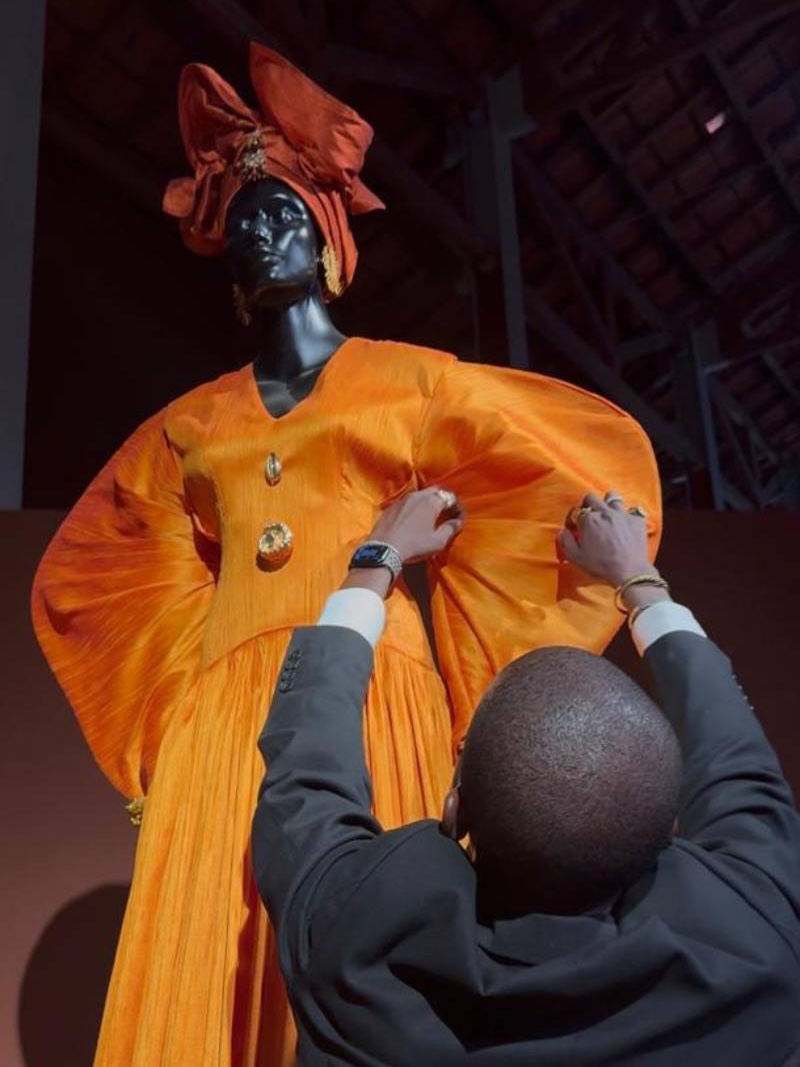
As for Maison Kébé, the designer Cheikh draws inspiration from traditional Senegalese women, particularly his grandmother. We can see this inspiration in the shapes and silhouettes like his dress made for the Drianke exhibition, and in the big bronze jewelry and oversized headscarves. This specific combination of details is a recurring motif throughout his pieces. He plays particular attention to specific details like the buttons he personally designs and commissions from local artisans. For Cheikh, fashion “is a way of articulating memory, movement, and cultural transformation”. His work rests on the conviction that clothing serves as a vehicle for meaning, silently carrying narratives through time and geography. Rather than merely reproducing cultural references as simple decorative motifs, he prioritizes the abstraction and reinterpretation.
Children’s fashion is somewhat different here. In general, kids attending public schools wear uniforms. Those who do not are typically dressed in garments purchased at local markets or in elegant traditional looks for ceremonies. Great care is taken in dressing children for special occasions. They too visit tailors or shop at boutiques specialized in fairytale or sahaba outfits.
Scattered throughout the city, there are what we call “bambineries”, boutiques dedicated exclusively to children’s products with multi-brand selections of international brands. In shopping centers there are major retailers. The CWF group is established at the Sea Plaza shopping center, which is home to the boutique Kids Around that offers brands like Boss and Givenchy. Door-to-door sales are also common, with vendors carrying suitcases filled with imported clothing.
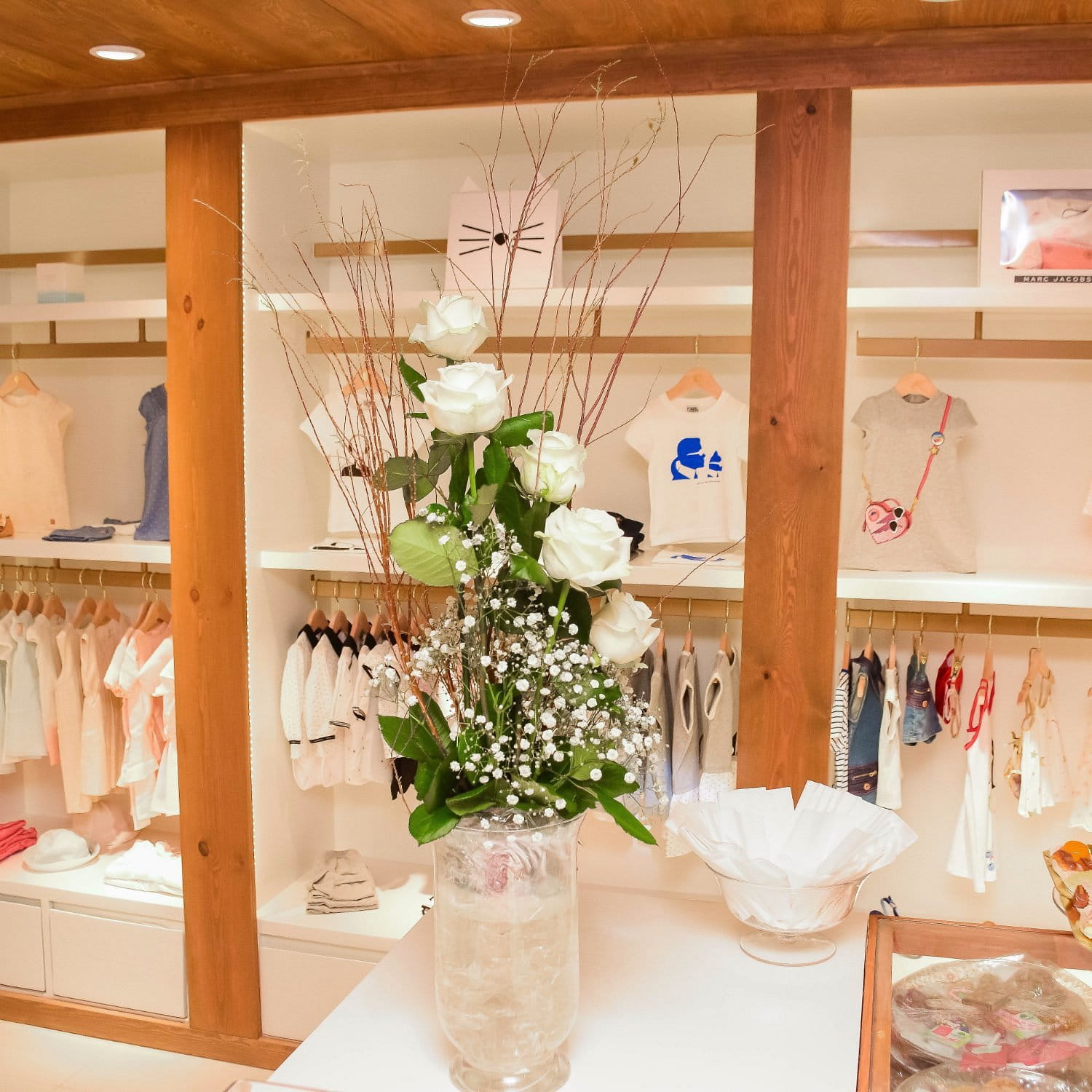 Kids Around
Families in the upper class frequently travel back and forth between Europe and the continent. Expatriate families in particular can often be seen wearing brands like those we find at Playtime, but they represent the minority. There are also concept stores with independent designers like Minibap, which offers a curated mix of home decor, wellness products, and clothing.
I’d say this market is ripe for the taking. While most clothing is imported, it tends to come from major retail chains or luxury brands. Brands like Bobo Choses, Repose AMS, and Jelly Mallow would be highly appreciated here, but there isn’t an importer for them yet. While there is a distinct sense of children’s fashion, it’s not very modern. Aside from traditional attire or special occasionwear, there aren’t really any Senegalese designers specializing in childrenswear.
Of course, the majority of children you encounter are wearing t-shirts with characters like Elsa from Frozen or Paw Patrol on them just like in Europe, but it is true that there isn’t quite the same culture of dressing little ones in trendy, stylish clothing. Or, if that culture does exist, it’s limited to the upper classes who travel abroad and bring items back with them.
There are a lot of concept stores that are thriving. Dakar is a city that is constantly evolving and in perpetual motion. I think that in the next few years, small-scale designers will really stand out. In any case, there is definitely a niche to be filled. Brands could use fashion week to organize children’s fashion shows, I’m sure that would work really well here.
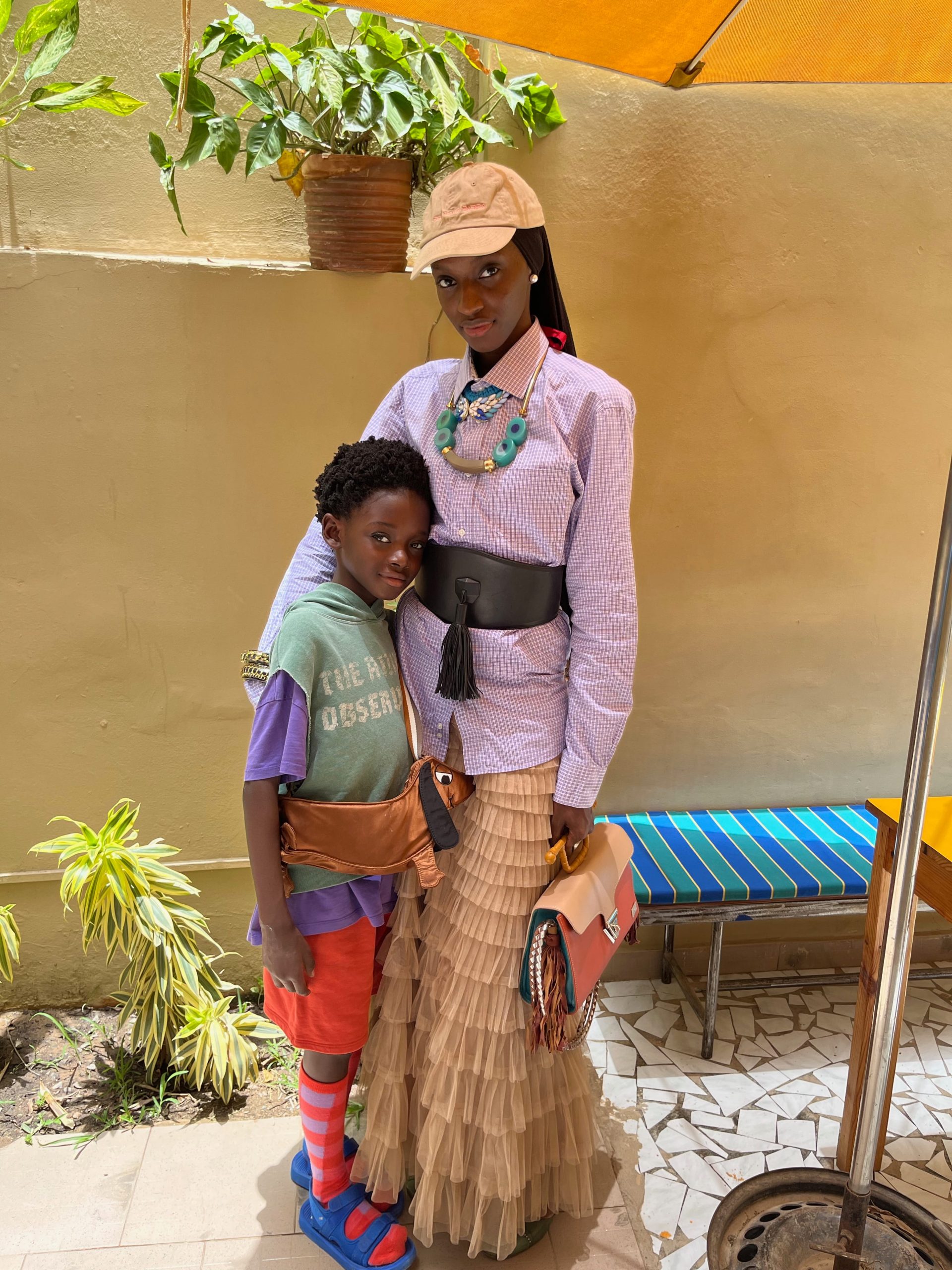 Mously and her son Sidate
Africa is an immense continent that is extremely rich in traditions, expertise, and artistic craftsmanship. Senegal serves as a meeting place for fashion in West Africa, so I’ve had the privilege of meeting fashion designers from Ghana, Gabon, and Côte d’Ivoire. These creatives are brimming with diverse inspiration and talent. Yet what truly captivates me are the volumes, the colors, the intricate embroidery, and the ingenuity displayed in the upcycling. Their sheer fearlessness for taking up space, too. The garments are spectacular, and the people wearing them are equally spectacular.
There is a certain ease to the fashion here, and a truly unique elegance to the adornments. As someone whose personal style leans far from minimalism, let’s just say I’m in absolute heaven when I discover this type of creative work! And even more so when I have the opportunity to tell stories through these clothes. People here are unafraid to flaunt their bold, self-assured style. They wear garments that command attention and are made to be looked at. They’re proud and happy to put themselves on display, whereas in the west we often feel more comfortable adopting minimalist styles that allow us to blend into the crowd.
The craftsmanship being passed down is truly unique, as are the silhouettes given to the garments and the way different pieces are combined. I believe this stems from a reimagining of traditional clothing heritage, and the sheer richness of handmade artistry. They give rise to the spectacular array of talent we see today.
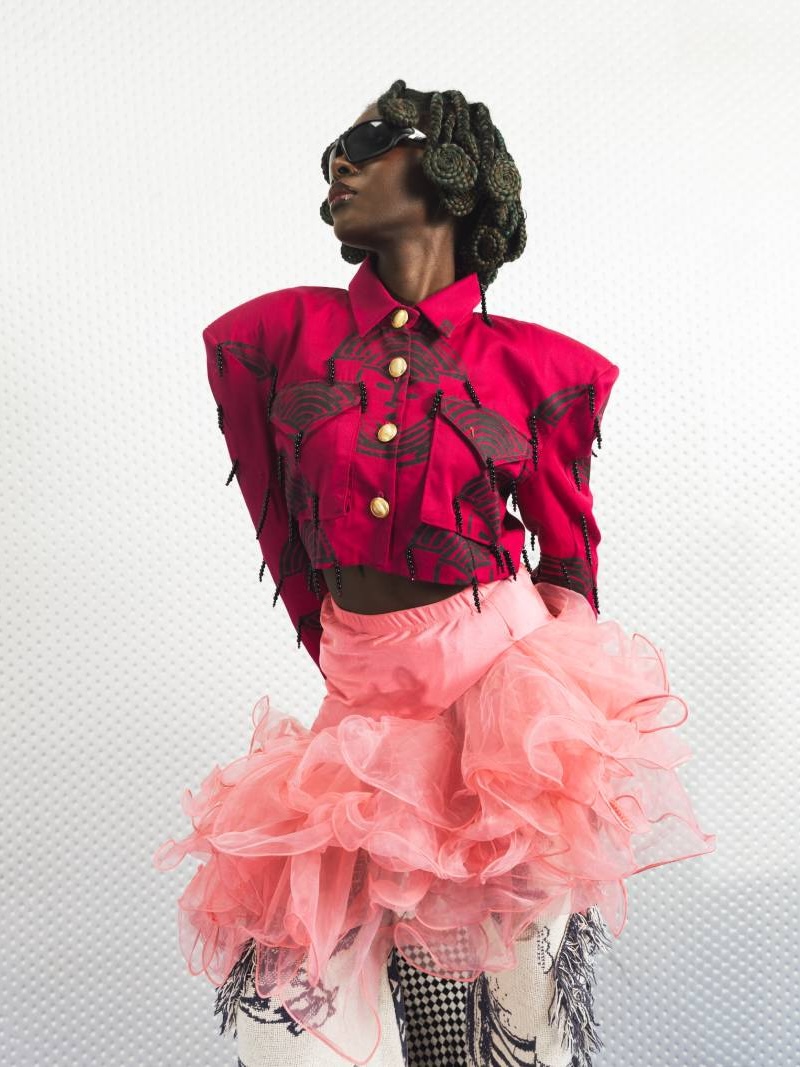
Mously Kébé is the perfect example of this. She has a unique style that is simultaneously super modern, creative, and inspired, almost like a futuristic painting come to life. I created this photo series with her and the photographer Zena Zeidan for MilK Magazine that captures this.
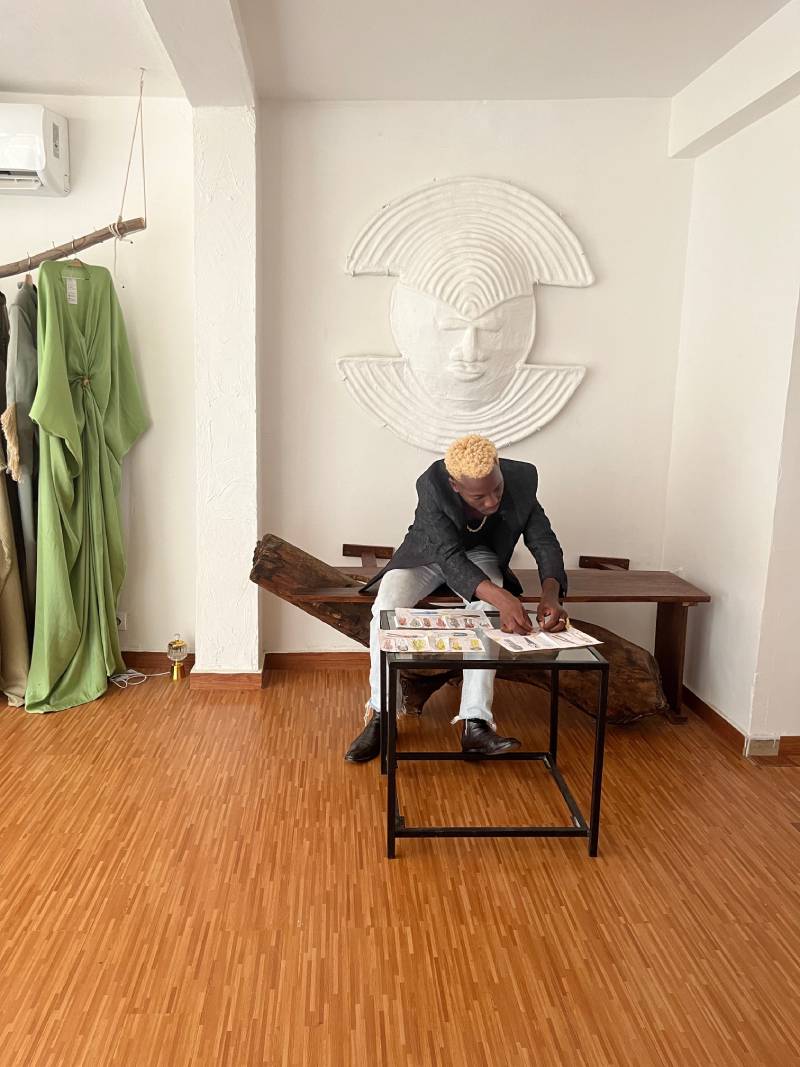
Yes! What has moved me most and differs the most from working in Paris is how you can meet the designers and be in direct contact with them. There are no press offices here. The first time I was preparing an editorial I was still in Parisian mode. I said to myself “Okay, I’ll go see these three brands in the morning, those three this afternoon,” and so on. But in reality, I spent three hours chatting and eating tieb at my first appointment with Yussuf Ndao, the creator and stylist behind Let’s Wear Vintage.
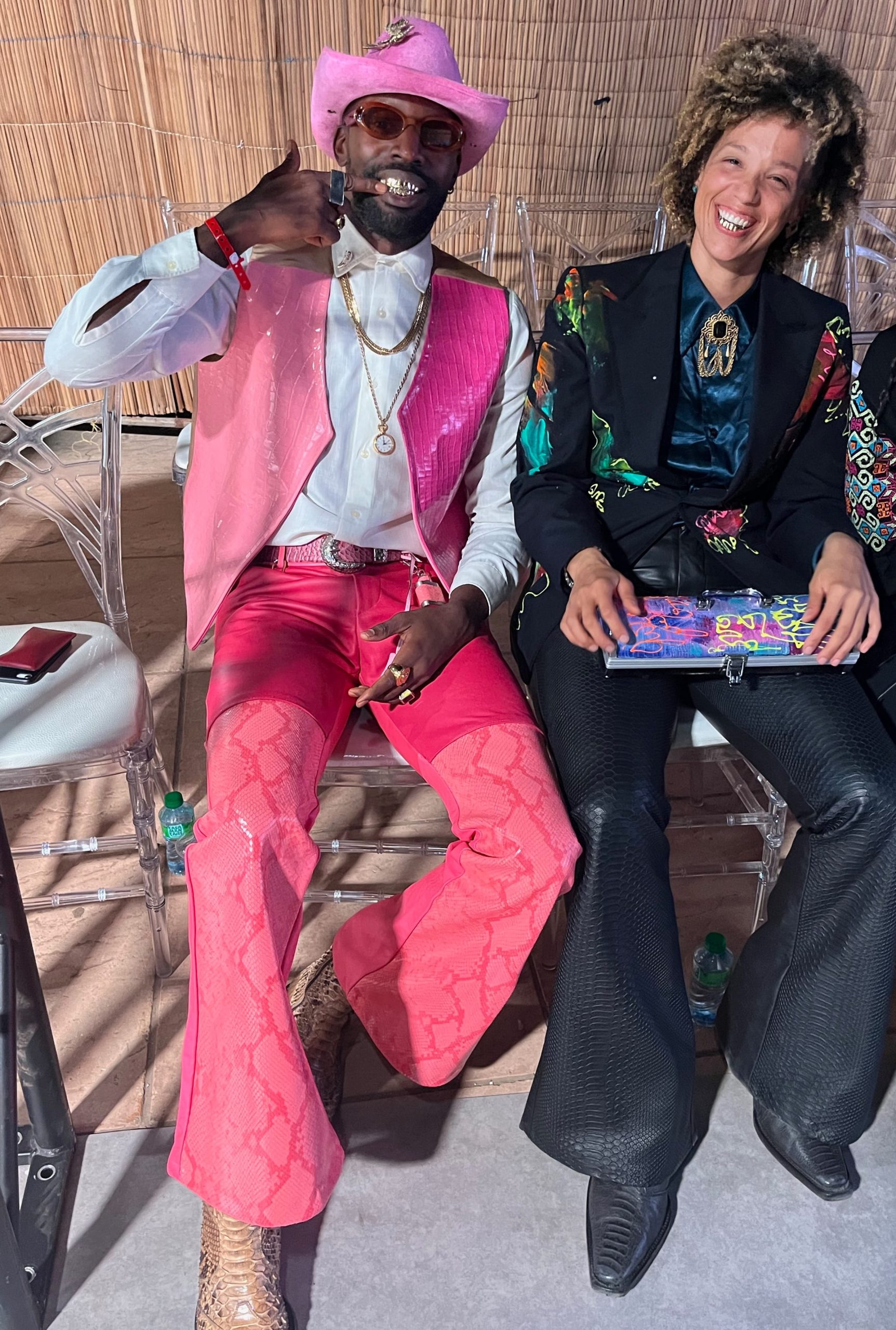 Yussuf Ndao and Gelisa George
The way of working is very different here, and I’ve adapted to it quickly! It’s wonderful to have this kind of relationship and be able to meet with the people who create clothing that I’ll use to tell my stories. To be able to discuss their approach to fashion, to learn what they wanted to say with it, to know who they are and their personal histories is so special. Some aren’t Senegalese, but have successfully built their businesses here. I think that being in direct contact with them has also given my styling a deeper, more grounded quality. I spend a lot of time in the markets hunting for treasures and haggling, which I’ve done since I was young, so that’s very familiar!
Dakar Fashion Week is absolutely unmissable! It takes place in December, and offers the perfect opportunity for discovering young emerging talents and well-established brands.
This year, Dakar has the honor of hosting the Youth Olympic Games in October. The city will also transform into a giant museum in celebration of the Contemporary Arts Biennale.
There are plenty of events centered around literature, cinema, and music festivals. I have friends who organize “Solidarity Fest” each year as well. It’s a fantastic chance to meet incredible artists and party while supporting a good cause: the empowerment of women through sports.
There are incredible galleries and exhibitions to explore such as Selebe Yoon, Galerie du Manège at the French Institute of Senegal, and the Sokhamon hotel which hosts sublime exhibitions. Other highlights include Villa 13a (a creative hub) and Black Rock residency which welcomes artists from around the world.
For nightlife, there are some great spots as well! Groov is a cocktail bar with vinyl DJ sets, while Yoka Lounge, Phare des Mamelles, or Le Terminus are perfect for dancing.
Yes, I would like to say that beyond cultural richness, what touches me most is the connection between people and the sense of support in Senegal. Here, we share the work with others and know how to help one another out. People turn up to each other’s events and offer tremendous encouragement. You feel like there is room to try things without judgement. If you feel like doing something, just go for it – nobody is going to judge you. I think that’s absolutely brilliant!
There is a genuine sense of community and togetherness. People from around the world live side by side, and there is a true spirit of hospitality. That isn’t necessarily the case back home. I imagine that when you come from abroad to live there, you must feel quite lonely. Here, you’re never alone!
I feel extremely lucky to be living this experience which enriches my creative life every single day. It’s filled a hole in me, to be honest. I am brimming with creative energy, and I feel much more self-assured both in my work as a stylist and in my personal identity.
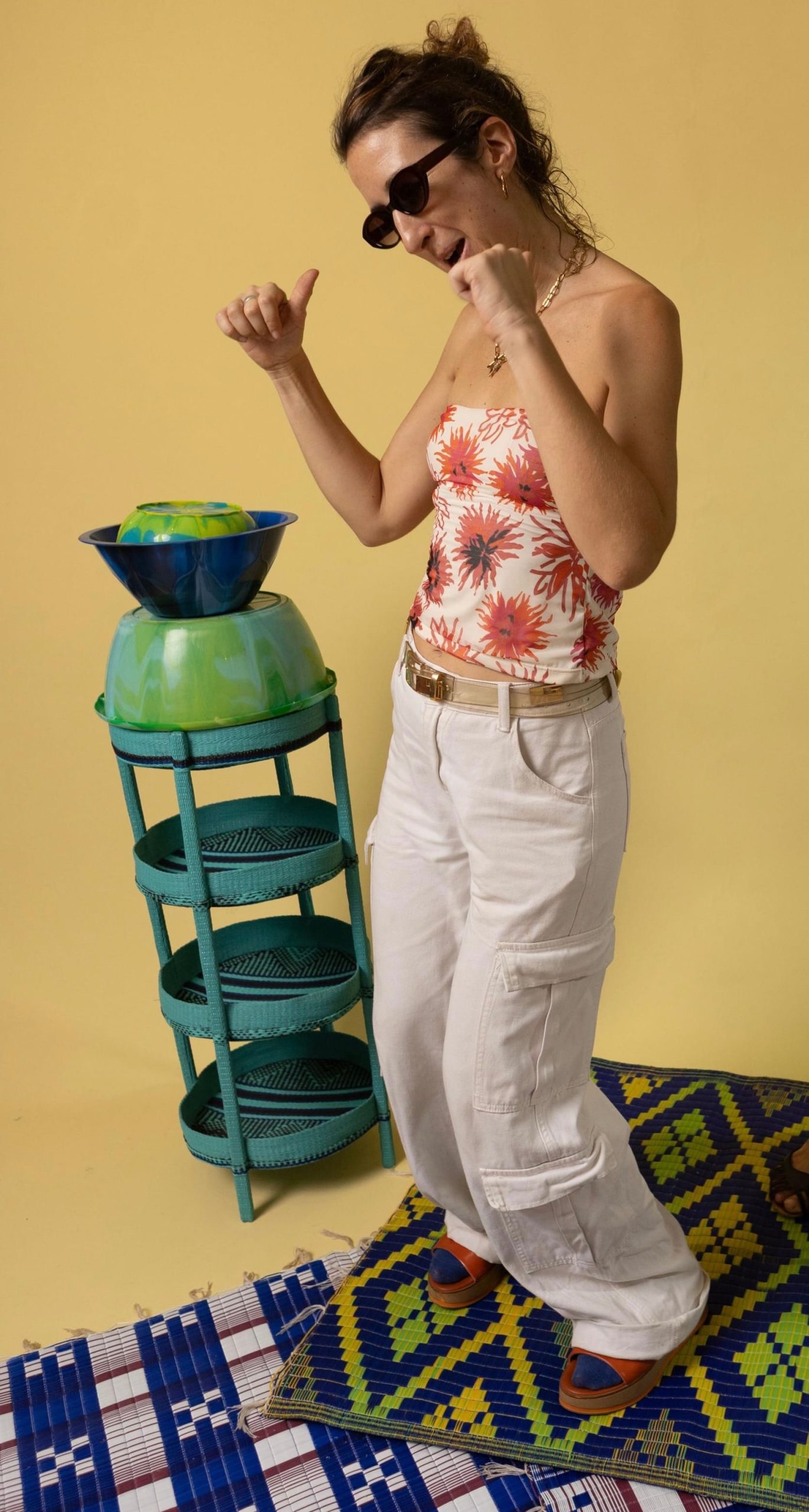
Thank you so much to Hélène for sharing her insights and experiences in Senegal with us! It’s fascinating to learn more about this community that we don’t talk enough about yet in the kid’s fashion industry. Follow along as Hélène continues this adventure on her Instagram @heleneredolfi and her website!
To gain more insights into the children’s market in Africa, stay tuned for a buyer focus on 3 retailers from our community!