Voices
Why 2026 Is Set To Be The Year Of The Collaboration 



At each edition of Playtime New York, we host a seminar to explore changes in the kids’ market. This winter, a panel of experts moderated by Jennifer Cattaui (owner of the boutique Babesta) discussed the importance of collaboration. Jennifer has gathered those same experts once again to dive deeper into the subject. Join us as we learn more about different ways to incorporate collaboration into your business model and why this will be key, now more than ever.
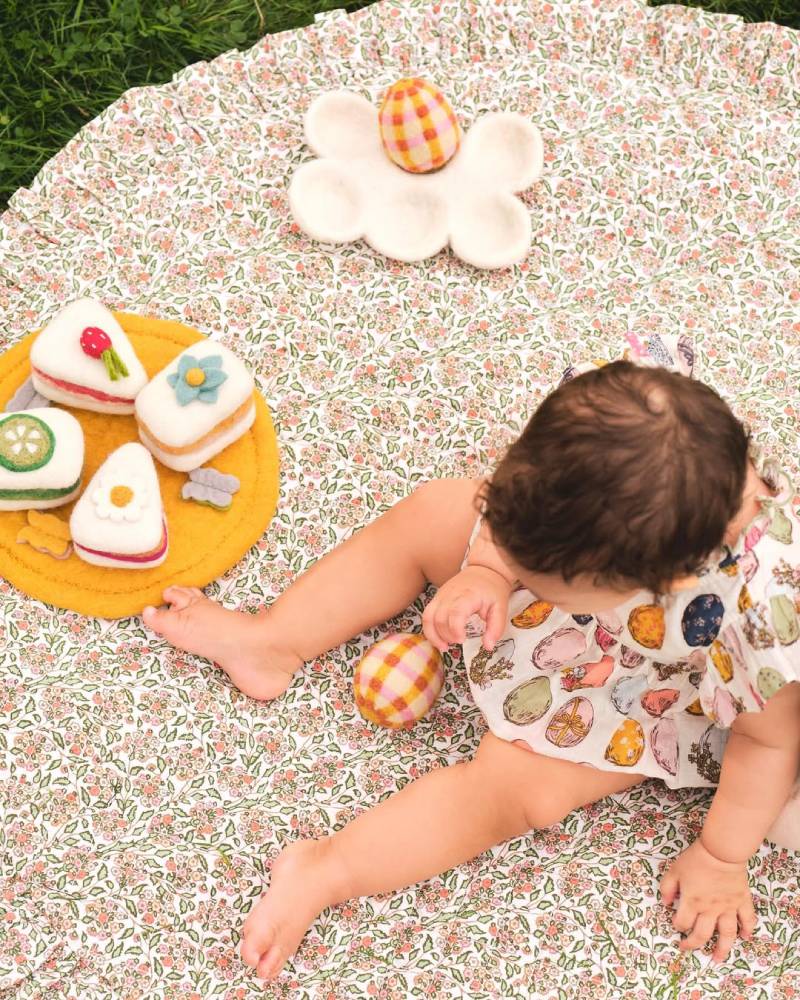
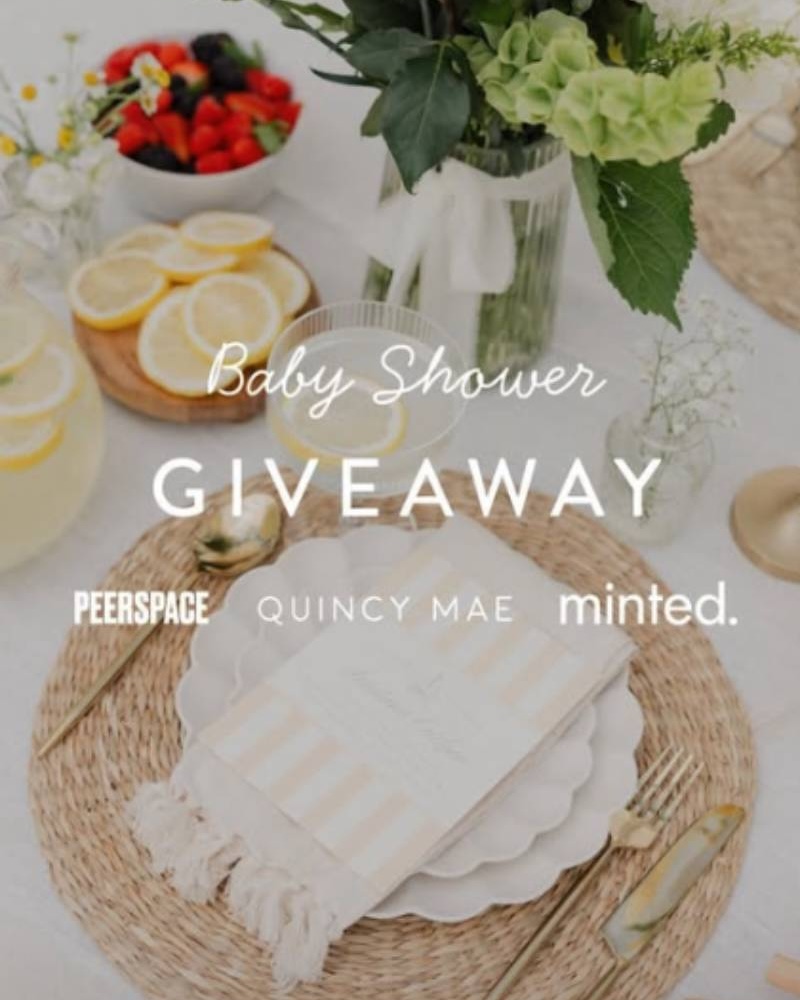
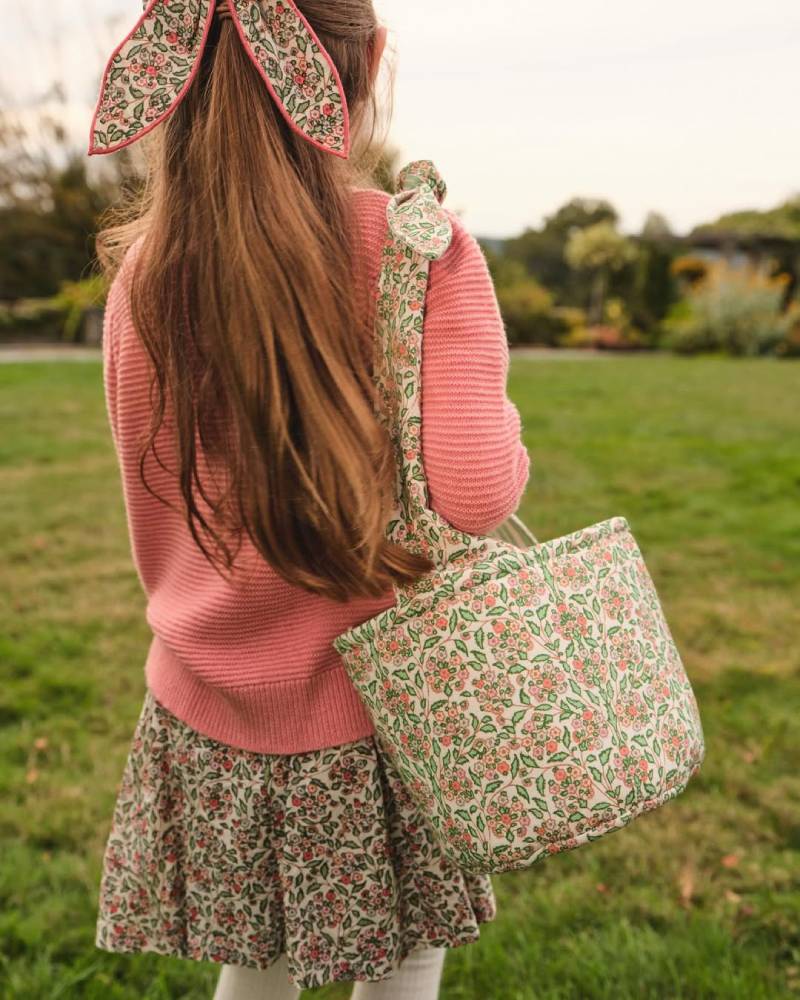
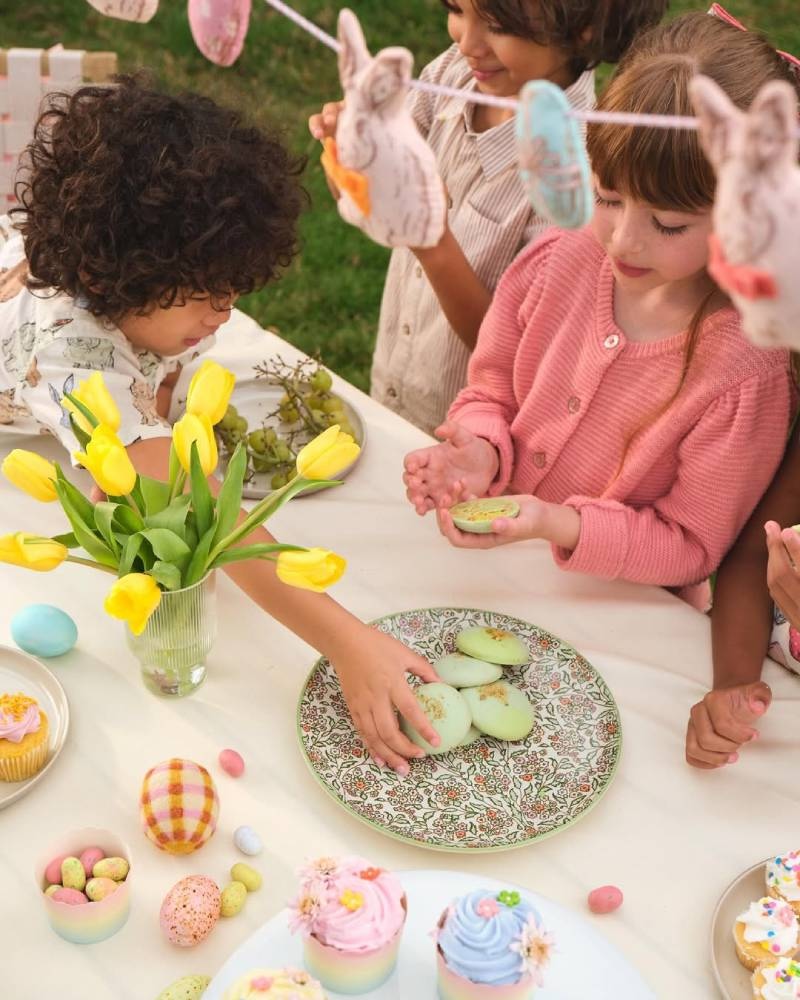
There’s no doubt, collaboration is having a moment in the kids’ world. Print-happy children’s brand Pink Chicken just teamed up with home goods champ, West Elm, for a fresh line of bedding, decor, and Easter goodies. Rylee + Cru got together with sunscreen superstar Sun Bum and luxe beach brand Business & Pleasure to host a fun-in-the-sun giveaway. Their sister brand, Quincy Mae, joined forces with invitation company Minted and events powerhouse Peerspace for a joint baby shower.
It seems everywhere you look, brands big and small are making partnering up their latest marketing coup d’etat, taking notes from the successes of culture-rocking collabs like Louis Vuitton x Supreme, AirBNB x LEGO, and, in the influencer space, Kass Parker x Stanley.
“We started to see a shift in the marketing landscape where really creative, intentional brands were partnering together in thoughtful ways,” says Madeline Johnson, Rylee + Cru’s Director of Marketing. Ever since, she notes, they’ve been partnering up each chance they get.
Makes sense: Collaborations are a relatively inexpensive way to gain new customers, build credibility, and drive real sales. On top of that, they’re fun.
“Collaborations feel like a natural evolution of how our community engages with our brands,” says Johnson. “Our customers love us for our hand-drawn illustrations, muted color palettes, and quality. Collaborations allow us to extend those brand pillars beyond clothing.”
What was once a term that almost exclusively meant co-creating a product, today encompasses much more. “At its core,” says Katie Kendrick, co-owner of Pirouette Media, “collaboration is about using your address book intelligently, bringing together people with different skills so everyone benefits.”
She’s used the marketing strategy herself, partnering with the likes of Sticky Lemon for a limited edition bag to give away at Pirouette events, as well as with a host of children’s fashion press platforms in producing Kids’ Digital Fashion Week. “I actually think collaborations are underused in our industry,” Kendrick says.
Well, if they had been underused in 2025, then listen up, baby brands, it’s prime time to change that. After all, partnering up is not only a fun thing to do, but it’s also surprisingly effective.
Stacey Fraser, Founder and CEO of Pink Chicken, says she’s used collaborations over the years to gain new eyeballs for her children’s label. “Brands like to collaborate with us by tapping into our joyful prints and using them on their products, or as a way to delve into childrenswear when they are normally an adult brand,” she says. Fraser notes her collaborations often start with a direct message on Instagram. “I’m still on our social channels every day answering most of the messages,” she admits. Fraser calls launching the latest bedding and decor line with West Elm a dream-come-true collaboration.
Although traditional product collaborations, such as the one with West Elm, have worked well for Pink Chicken, co-creating products can be both expensive and time-consuming. But there are other types of partnerships that are worth exploring. In fact, when it comes to collaborating, thinking out of the box can pay off.
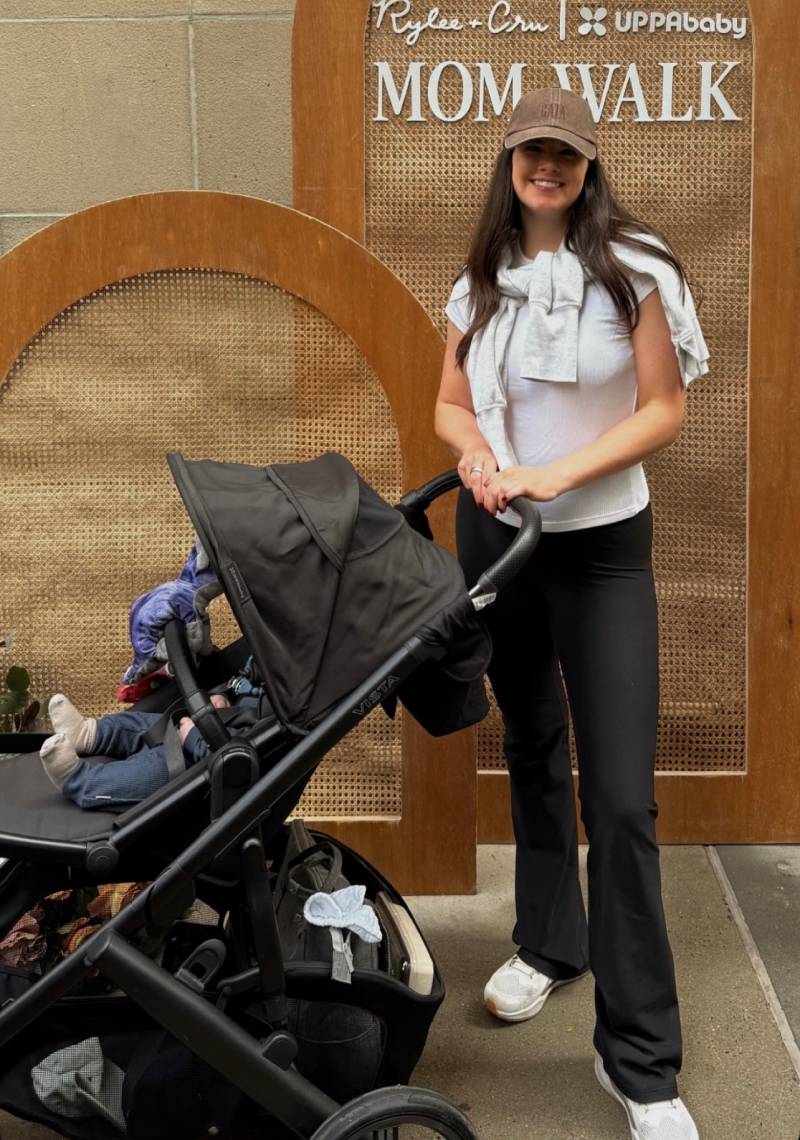
“I believe the future of collaborations lies more in events and communications-led partnerships,” says Kendrick. “That could be through online events, physical activations, or shared storytelling, working together to amplify visibility rather than add complexity.” Johnson and her team at Rylee + Cru have been doing just that. Johnson shares that they recently hosted a Mom Walk in conjunction with luxury stroller and baby gear brand, UPPAbaby. “That event brought together moms who love our brand, were looking for community, and wanted to be part of something bigger.”
Getting your brand or products in front of more people by teaming up is the essence of collaborations, and Renee Rodan, Head of Creator Partnerships at TikTok, says that influencer partnerships not only do that but take the customer relationship even further. While brand collaborations are ‘top of the funnel’ marketing, when it comes to actually converting that sale, she says influencers are the way to go.
“It’s the storytelling that’s really personal,” notes Rodan. When watching an influencer use a product that actually solves a problem for them, she says a consumer can really see themselves using it too. “One example that comes to mind is when e.l.f. Cosmetics partnered with a beauty influencer on a special shade of lipstick for her wedding day,” Rodan adds. “After sharing behind-the-scenes footage as they worked to bring the lipstick to market, the audience really felt like they were part of the launch. Not only was the influencer excited to speak about the lipstick, but her audience also couldn’t wait to get their hands on the product either.”
It’s funny that a marketing strategy so timeless like collaborations could feel so timely, but there seem to be two things at play driving the collaboration boom – the current market and the customer. Think about it: Advertising has gotten expensive, there seems to be an unlimited number of companies vying for all of our attention, and cookies are on the outs, meaning that brands are going to need to collect their own data.
On the customer front, parents of young children are mainly Millennials and Gen Z these days, two groups that are known for their love for novelty, exclusivity, and authenticity.
“Limited access, fresh perspectives, and unexpected partnerships make collaborations feel special rather than transactional,” says Pirouette’s Kendrick. “That sense of scarcity creates desire. It gives people a reason to show up now, not later.”
OK, so now that you’re convinced that collabs are the way to go, how do you find the right partner? Rodan says it’s time to start AB testing. Compare collabs with various influencers on a small scale until you find the ones that really resonate with your audience. And, keep in mind, follower size isn’t always indicative of performance. For instance, you may look at influencer A and think that because of their persona and outsized follower base, a collab with them will knock it out of the park. Instead, it falls flat. Rodan says she sees that all the time. “Then influencer B, who only has 10,000 followers, posts about you and it goes gangbusters.”
Instead of size, look for alignment: It pays off to collab with someone who’s really excited about your brand and ready to roll up their sleeves. Rylee + Cru’s Johnson says they are very intentional when choosing who to collaborate with. “We seek out partners who truly want to co-create something meaningful and come together to story-tell and drive marketing resonance with our audiences.” Performance-based contracts, rather than upfront fees, can ensure the influencer believes that they can convert sales, making it a win-win for all.
With a partner in hand, it’s time to get to work. Communication is crucial when it comes to the logistics of a collaboration. “Early on, we try to find alignment on creative ownership, timelines, and inventory allocation,” says Johnson. “All of these collaborations require a lot of documentation, email communication, and regular check-ins with the other brand and internally.” Pink Chicken’s Fraser agrees, noting that marketing duties need to be clear as well. “Be sure to agree upfront what both brands’ responsibilities are for marketing – whether it’s one email blast, three stories, two posts, or whatever you decide. If you’re the only one doing all the marketing, that defeats the purpose of collaborating.”
As with all lessons in life, some of these things can be learned the hard way. Kendrick recalls a collaboration she did with a photographer, where they found out too late that they weren’t fully aligned on their expectations. “It was a valuable lesson. When you’re investing money into a collaboration, you need to know your collaborator really well. Take the time ahead of the project to learn about them, and be crystal clear on expectations in order to minimize any surprises.
As for gauging success, sales are a favored measure for co-created products and influencer collabs. But how do you know which sales were the result of what? Rodan recalls when she led the marketing team at a start-up some years ago, she liberally doled out promo codes to make tracking sales stemming from the influencers they were working with easy. “I wasn’t precious with it, because the code was my way of seeing who was a converter.” Her influencer marketing budget grew from $5000 per month to $500,000 per month two years later.
But for many types of partnerships, true ROI can be tricky. Rodan advises finding a metric that makes the most sense for the particular collaboration, whether it’s views, shares, or engagement.
After Rylee + Cru’s Mom Walk, Johnson homed in on the surge of online chatter about their brand, an onslaught of comments on social, and more media coverage. She counts that event as one of the most successful collaborations they’ve done to date. “I left that day with my cheeks hurting from smiling and my heart overwhelmingly full with so much gratitude and joy. It showed us how powerful in-person, experience-led collaborations could be,” she says. And the evidence was clear: “We saw strong organic content creation, deep community engagement, and brand affinity that extended far beyond the few hours we spent together. That moment really clarified that collaborations could drive long-term brand value and emotional connection, not just short-term revenue.”
 Rylee + Cru Mom Walk
For anyone thinking about jumping on board the collaboration train now, Kendrick says the good news is that it’s not too late. “Getting up to speed doesn’t actually take that long, but it does require intention,” she says. “Brands need to carve out time and budget for collaboration and treat it as essential, not optional, even when inboxes are overwhelming.”
And with that, we pass the torch to you. Look around. Who knows? Your perfect partner might be right beside you.
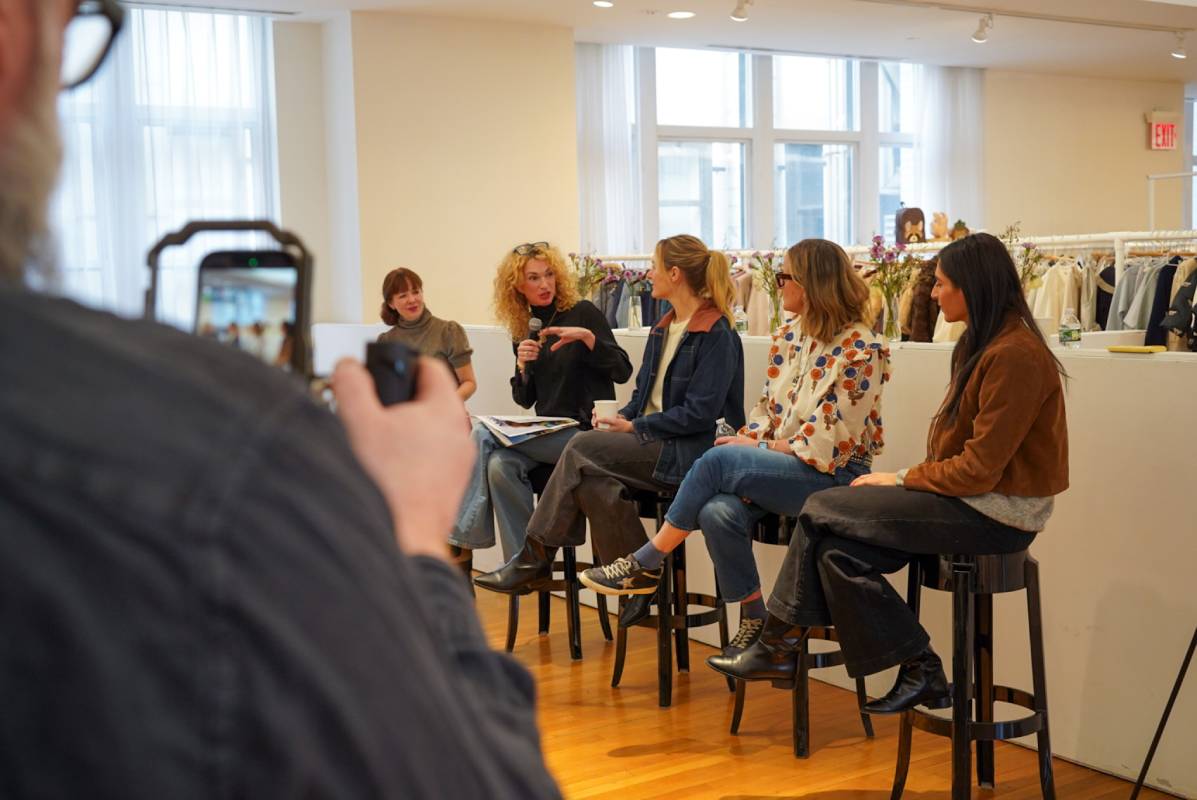 From left to right: Jennifer Cattaui, Katie Kendrick, Madeline Johnson, Stacey Fraser, and Renee Rodan at Playtime New York, Winter 2026
1. “Seek out a brand collaboration that will bring alignment, not scale. Focus on how it would excite and bring value to your customer.” – Madeline Johnson, Rylee + Cru Director of Marketing
2. “Collaborate to strengthen your weaknesses. Partner with people who are A+ in areas where you are not. Also, be sure you speak to the modern parent culture: Aesthetics, aspiration, and shareability matter.” – Katie Kendrick, co-owner of Pirouette Media
3. “Just DM the brand you like, be consistent, and don’t be afraid of following up. One thing we used to do is make a deck showing what a potential collaboration could look like. You want to come in with a plan.” -Stacey Fraser, Pink Chicken Founder and CEO
4. “Always negotiate with influencers, and don’t be afraid to ask for their sales stats and case studies, and then start small. I always like Instagram Stories first as a way to try out a collaboration. You can include a link in Stories and can track clicks and conversions.” – Renee Rodan, Head of Creator Partnerships, TikTok
5. “Give influencers creative freedom. You chose them for their voice. Let them be authentic with your product, and followers will respond.” – Renee Rodan, Head of Creator Partnerships, TikTok
—
Thank you so much to Jennifer and this panel of experts for sharing their insights into collaboration! We hope you learned as much as we did. Thank you to our partner, Earnshaw’s Kids, who hosted this panel in collaboration with us.
Looking for more insightful business articles like this? Check out Jennifer’s recap of our seminar last summer covering AI discoverability here.