Voices
Brand Success Stories… Nature Baby 




Many brands in the children’s industry started because new parents couldn’t find what they wanted for their own children. They sought something more unique, something more sustainable. Something that truly suited their lifestyle. One of the brands with such an inception that stands out to us is Nature Baby.
Born from the needs of new parents Jacob and Georgia, this brand has thoughtfully grown and evolved over the last 28 years while always maintaining the core values they set at the start. Still family-owned, the child that started it all even works with the company today. We wanted to learn more about Nature Baby to understand how they’ve grown, who the New Zealand customer is, how they’ve expanded internationally, and what drives them to travel around the world to exhibit at our events. Join us as we get the full story from co-founder Jacob himself!
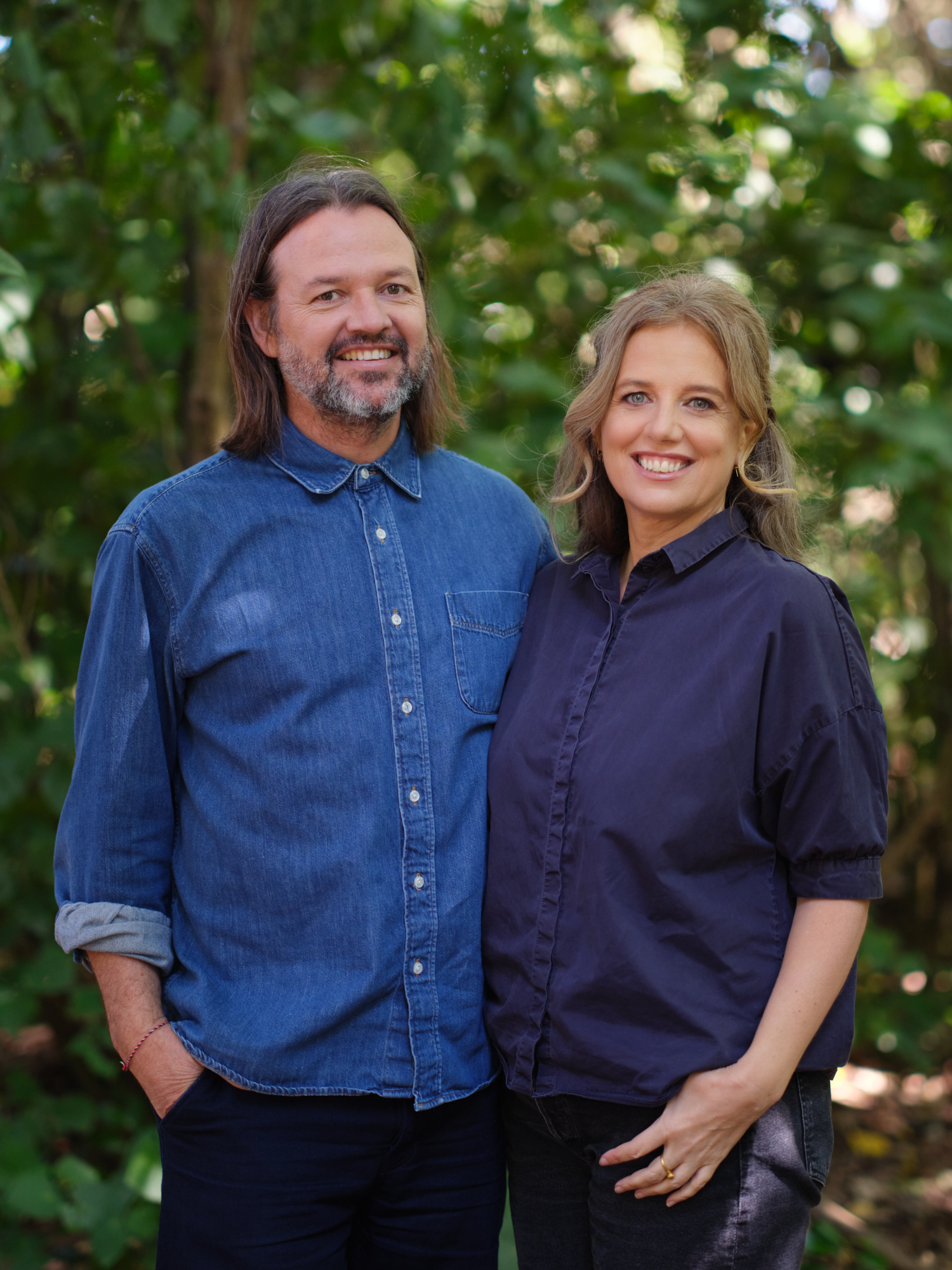
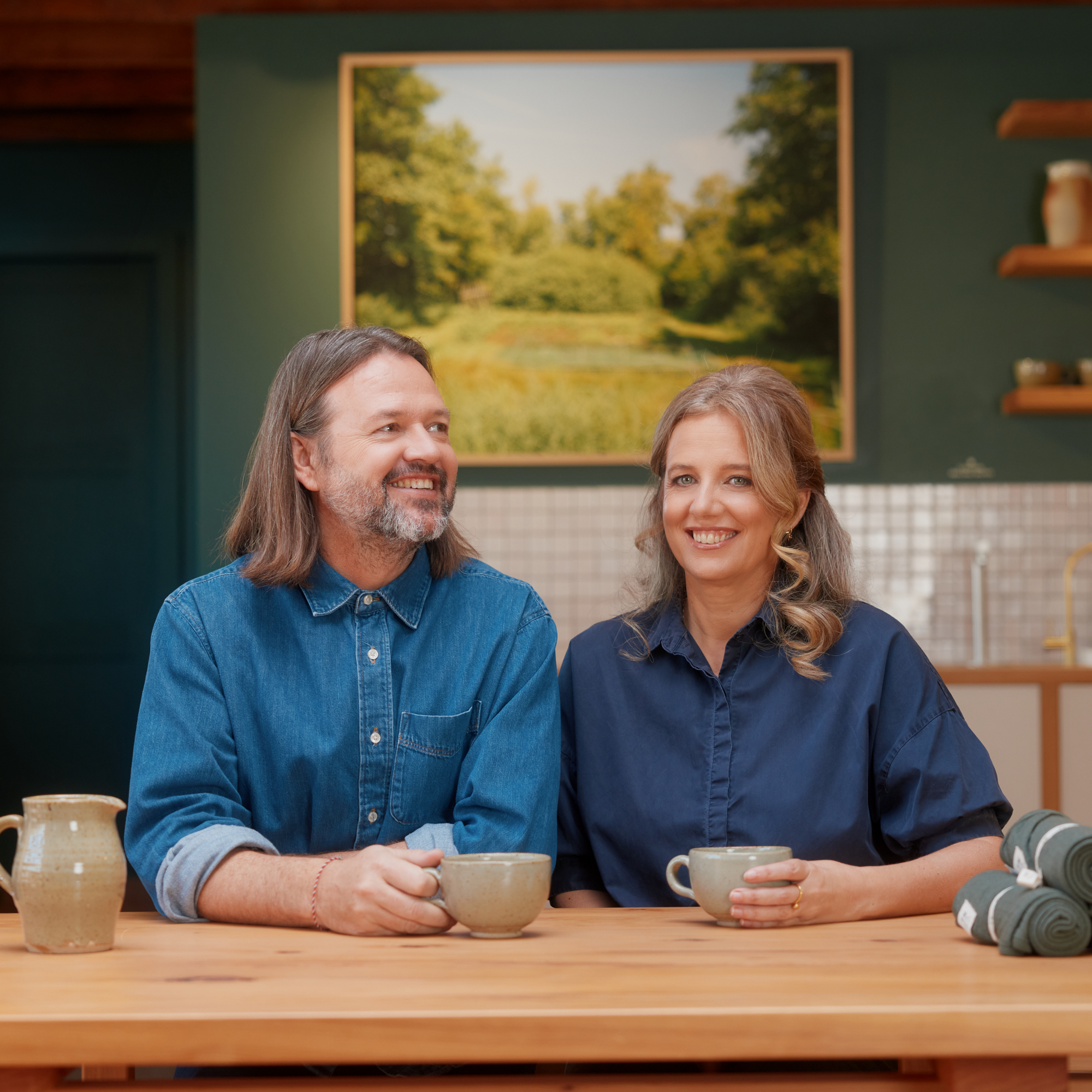 Co-founders of Nature Baby, Jacob and Georgia
Shortly after their first child was born in 1998, husband and wife Jacob and Georgia couldn’t find the clothing and essentials made with natural fibers they were looking for. So, they decided to make them themselves.
Based in Aotearoa, New Zealand, they set out to create baby products without synthetics or chemicals. They established four pillars to test all of their decisions against, which they still follow today: purity, quality, usefulness, and care.
Jacob and Georgia were parents first, thinking about what they put against their own child’s skin and where it came from. As they began creating their own collections, they followed that line of questioning beyond the fabrics. They thought about the soil the cotton grows in, the water used to process it, the hands that sew it, and the world the child that wears it will inherit. For them, sustainability was never a stance or a marketing tool – it’s the whole reason the brand exists.
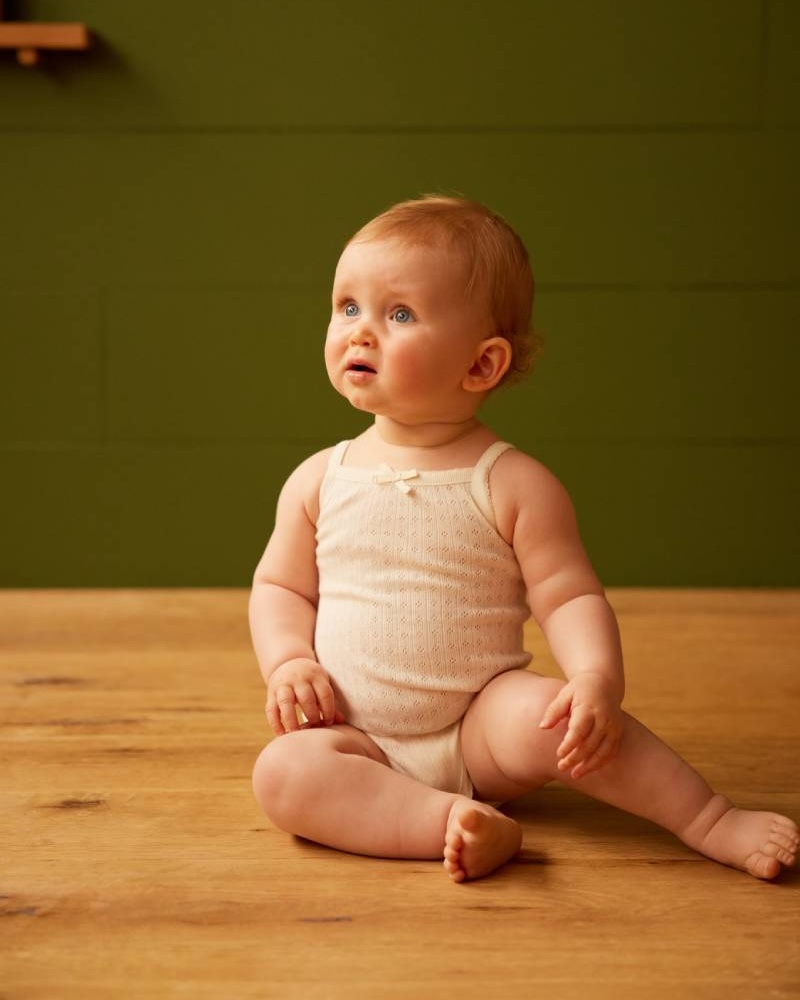
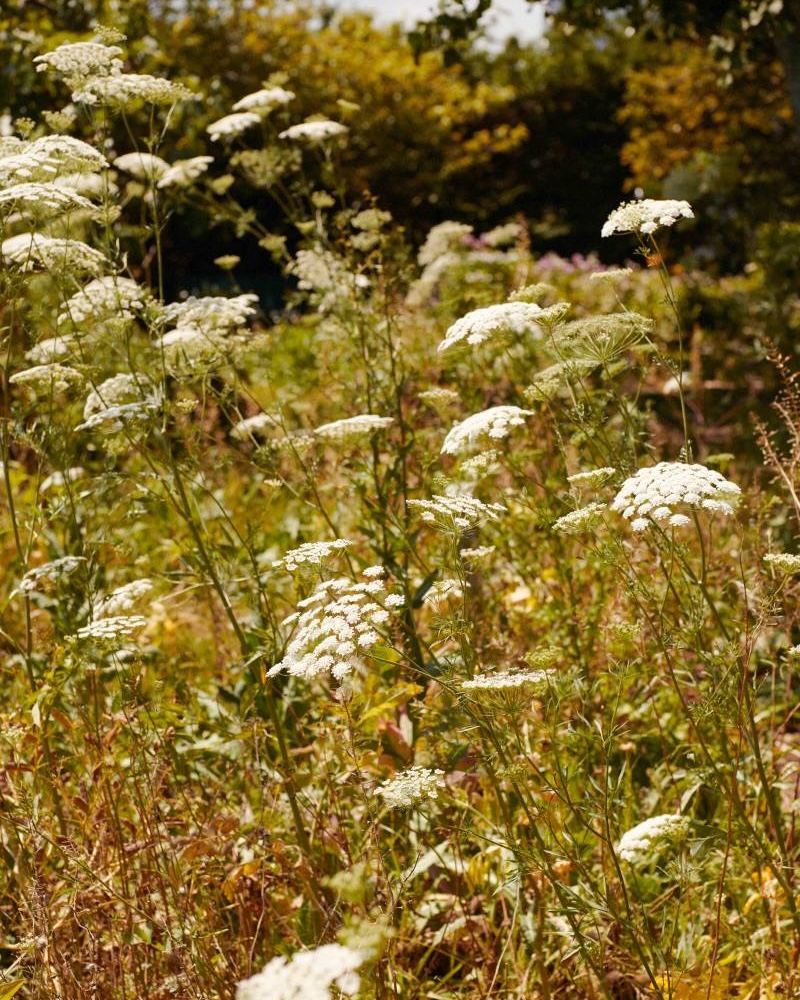
Nature Baby works with a small group of makers they’ve partnered with for years to produce their collections. Some of them have been their partners for over a decade. All of their cotton is GOTS certified, which covers the growing, processing, and the social and labor conditions in the factory, and is audited independently. They make an effort to visit their key fabric makers and garment factories at least once a year to not only build into their relationships with them, but also to immerse themselves in the making of their collections.
28 years ago, organic was something to be found in health food stores. There wasn’t a shared language for it like there is today, nor a strong focus on it for babies’ wardrobes. For those first few years, Jacob and Georgia had to go verify their supply chain themselves. GOTS wasn’t around until 2006, so no one could show certificates that proved their practices.
Customers that found Nature Baby in those early seasons were often parents with a specific reason to care about what materials their baby’s clothes were made from. They were families with allergies, eczema, or who had been advised to avoid synthetics by a midwife. Today, Jacob finds that it isn’t so much a question of if people care more about sustainability. Instead, he finds that today they want proof. Since he and Georgia started Nature Baby they’ve been explaining why the materials matter. Now, customers are more knowledgable about why it does, and they expect it of the brands they buy.
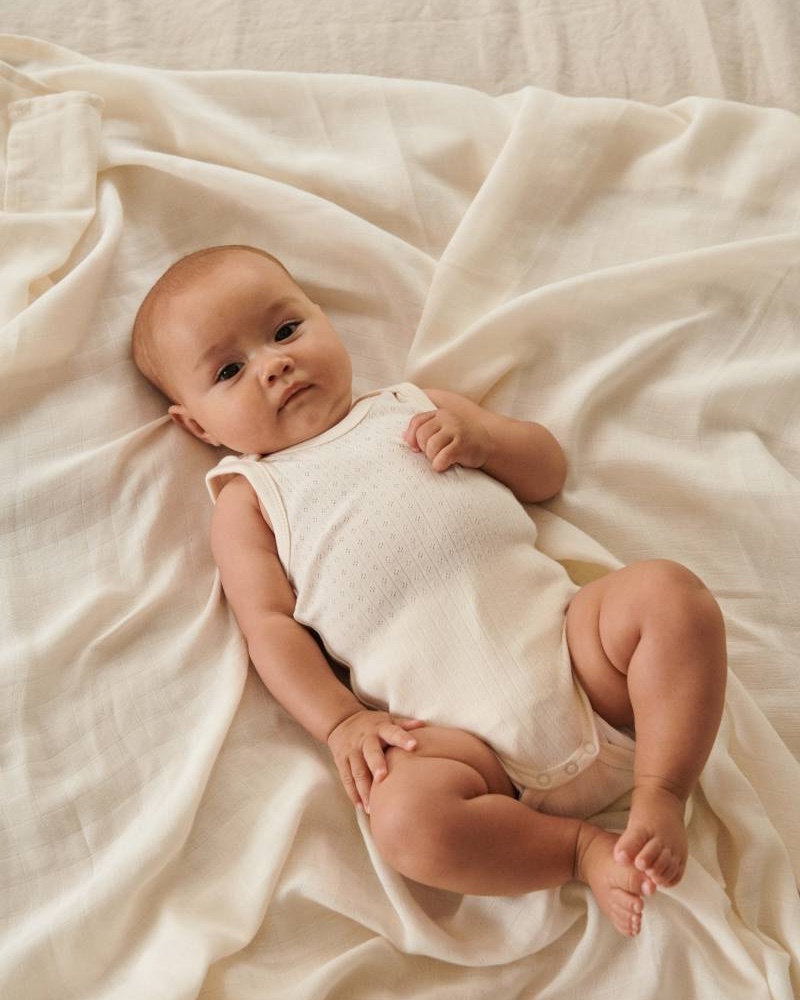
Nature Baby’s team is made up of about 90 people across design, production, and their retail locations. As they build each season, they start with a concept they live with for a while. From there they develop prints, all of which are designed in-house. The next step, sampling, is the longest. For Nature Baby collections, a piece can go through several rounds before they find the right fit for real babies. Their collections all build off each other, rather than reseting, so many styles are carried forward across seasons.
While their product range today covers a variety of needs, Nature Baby first started with reusable nappies. They then expanded into a small set of everyday essentials, which has continued to grow outward as their community has grown. Sleepwear naturally joined their assortment, because babies spend most of their first year asleep. Bedding followed this addition, and was then followed by care products, which were followed by nursery and play.
The range has never expanded because a category looked commercially interesting. Jacob and Georgia have expanded only when they couldn’t find a version of something made the way they would make it. They want to go deeper with their collections, rather than wider. The work that is most compelling for Jacob and Georgia right now involves the longevity of their products. From the outset, they want to design more pieces with the intention of them being handed on, repaired, and returned to Nature Baby.
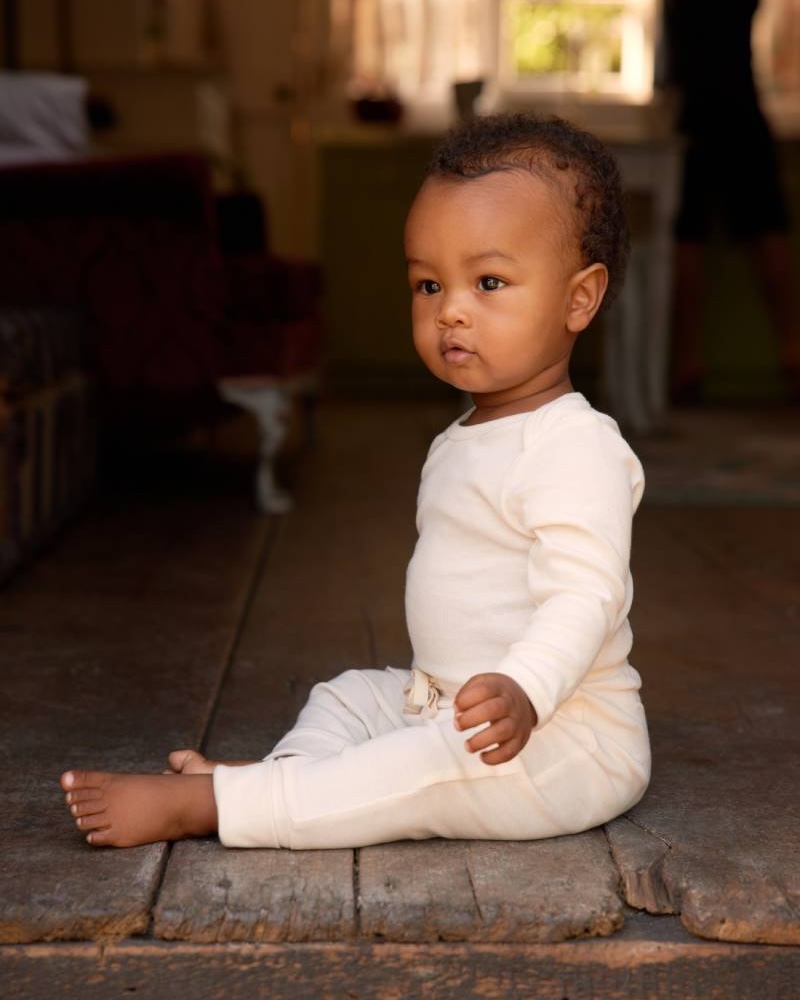
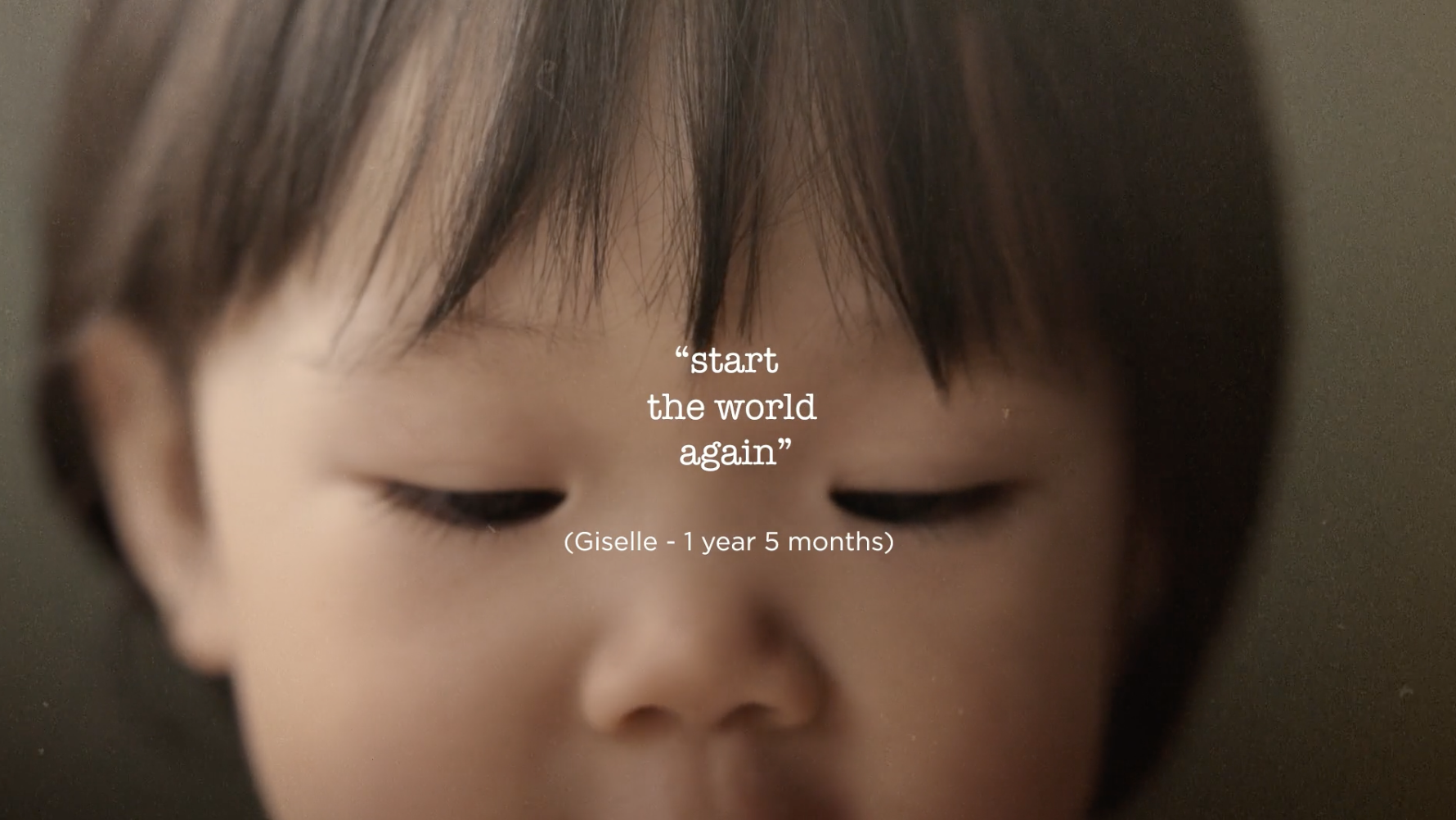
Nature Baby is centered around their concept of « Good for baby, good for the maker, and good for the land ». To communicate on the shared responsibility we all have, they launched their « Start the world again » campaign. Not designed to sell anything, the campaign is about the immediacy of the climate crisis. It started with the question of what the next generation would say about the world they have been born into if we gave them the chance to speak. From there, they built a piece of work around the elements of air, earth, fire, water, and spirit, pairing them with the voices of very young children and environmental research on that element. For them, putting a toddler’s voice next to a UN figure on coastal flooding does something a sustainability page cannot. It provides the sense of urgency, as well as a sense of hope, for the future.
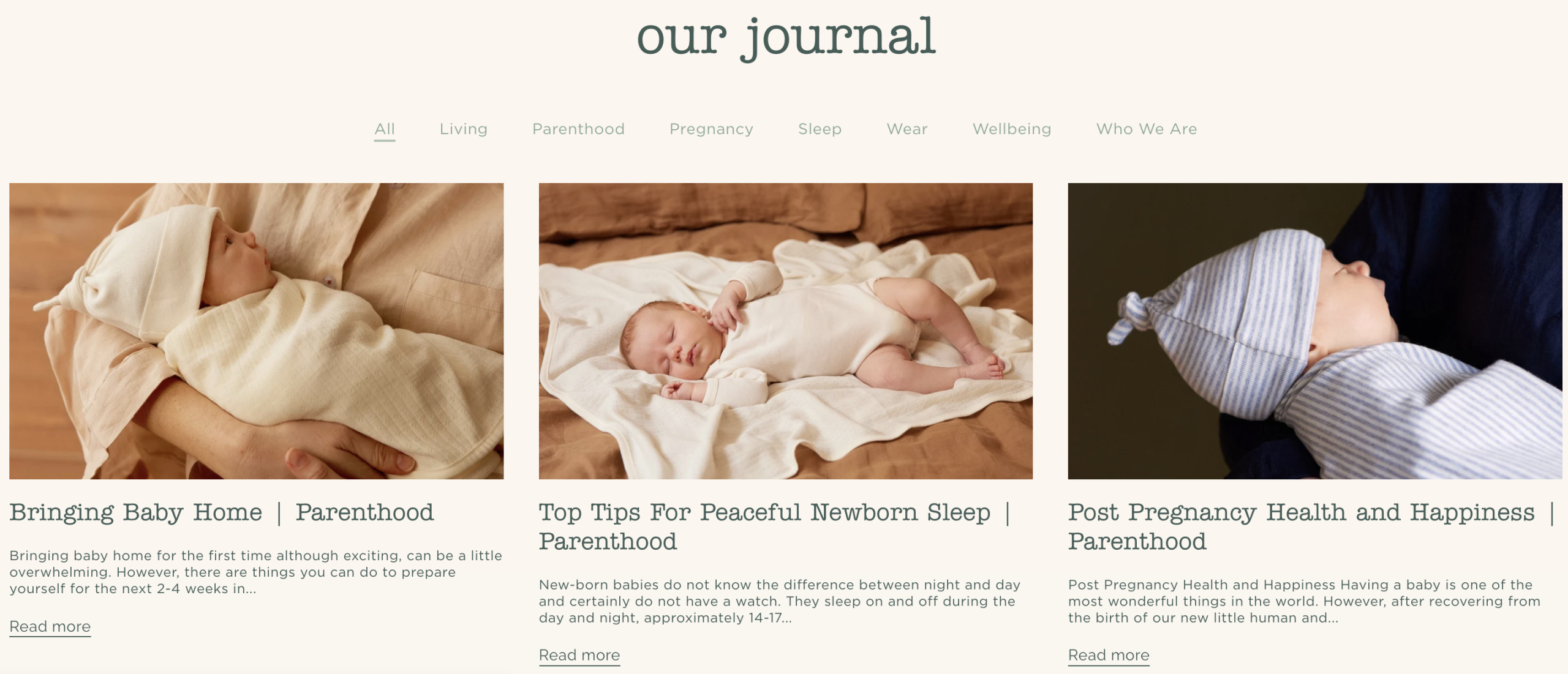
In addition to this campaign, Jacob and Georgia have other initiatives to further accompany their customers. They believe Nature Baby’s job doesn’t stop at providing the right products. So, they have a journal section on their website with interviews and advice. Jacob and Georgia know how disorientating new parenthood can be, and that what helps most isn’t information – it’s a sense of community. The journal features articles from midwives, nutritionists, and other parents telling the truth about their own experiences, rather than the polished versions of them. This page allows Nature Baby to answer the questions their retail team is asked in-store, which are almost never about clothing. Jacob told us the journal is the least commercial part of their website, and probably the most read.
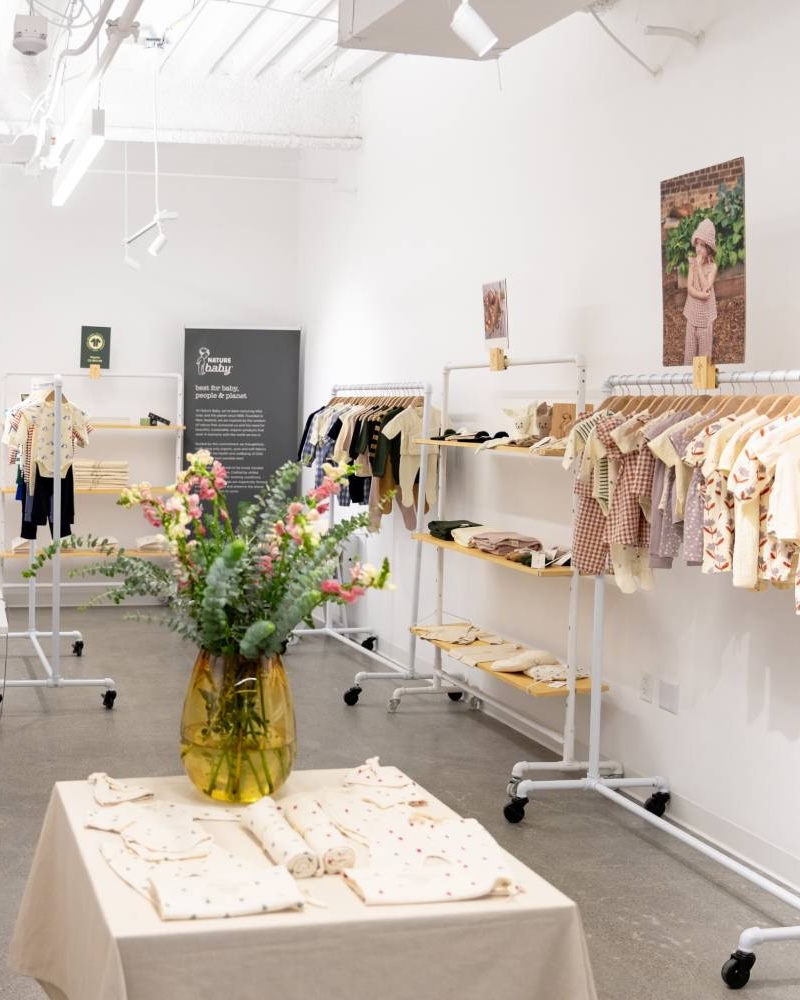
To further connect with their community, Nature Baby has six stores across New Zealand and Australia. Jacob and Georgia know that parenthood takes a village, and they want to be part of that village for the parents in their community. Their retail team can spend twenty minutes speaking with and supporting someone who is pregnant and overwhelmed. That conversation is the goal of their retail stores. The stores keep them honest, too. Every week their team hears what is working and what’s not.
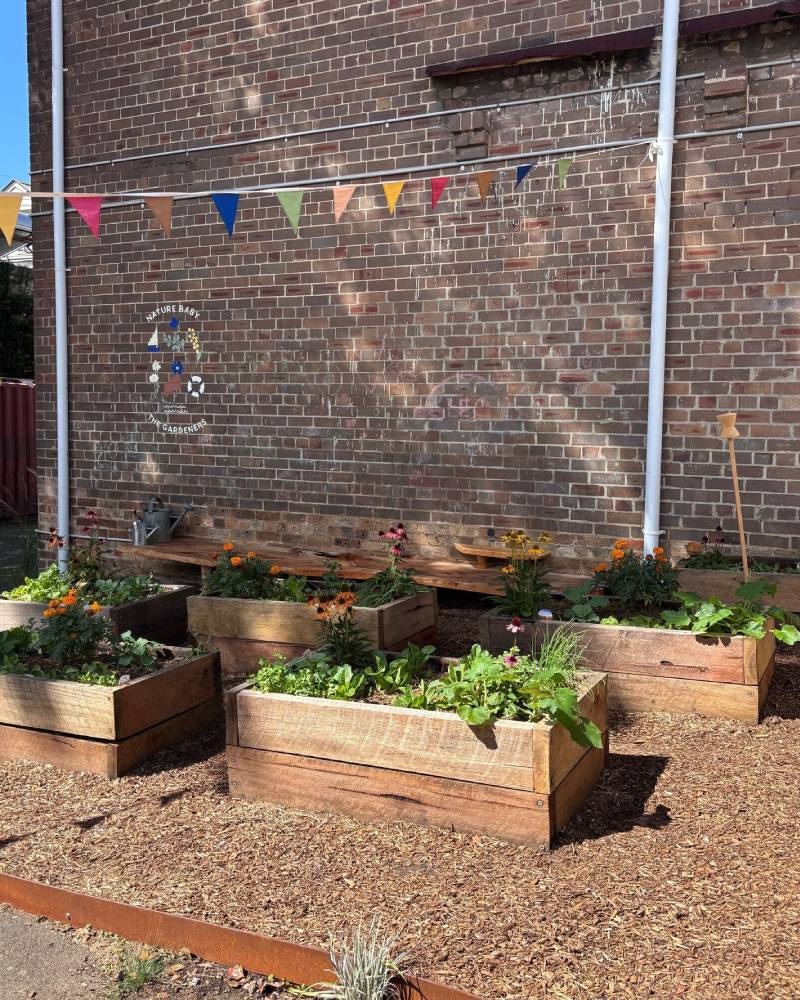
Their stores have naturally become places where parents linger, feed their babies, and talk to each other. To welcome this, they’ve built spaces attached to the stores where the Nature Baby community can gather. For Jacob, this is the physical embodiment of the idea of a parenthood community played out within their stores. In these spaces that range from kitchens to community gardens, Nature Baby brings to life their idea of grow, nourish, and care. They also host sessions and gatherings that come in a variety of forms. These can be practical, like their nutritional or feeding workshops with trusted specialists, or crafts like clay painting, or based around growing and nurturing plants. Some events are just a table, a pot of tea, and other parents. For Jacob and Georgia, these spaces are some of the most useful things they’ve built.
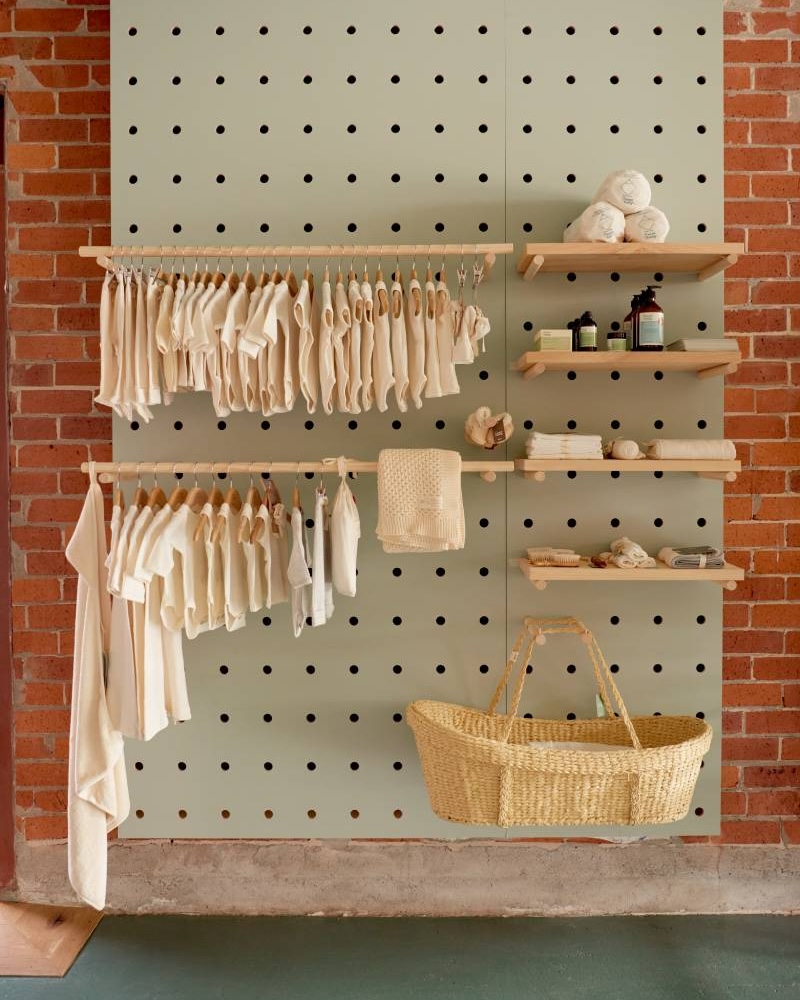
Like every country, New Zealand has its own preferences and priorities when it comes to making purchases. Jacob finds that consumers there are practical. They’re willing to support and celebrate things that are well-made and long-lasting. In general, they think in terms of passing things on, partly because families are close and clothing genuinely moves between them. They value honesty over polish, and notice when a brand changes their story.
The New Zealand market is small, which cuts both ways according to Jacob. There is less volume, but also far less of the fast, cheap fashion that dominates children’s clothing in larger markets. This means that quality competes more evenly there. Children are generally outside more, so clothing needs to be able to survive that. The strong culture for passing garments between families influences what people are willing to spend and the longevity they expect from their products.
Internationally, Jacob has observed more trend sensitivity and shorter wear cycles, as well as more decoration. The tension Nature Baby manages is that a market this size cannot sustain a brand alone, so they have had to build overseas while remaining true to their core values.
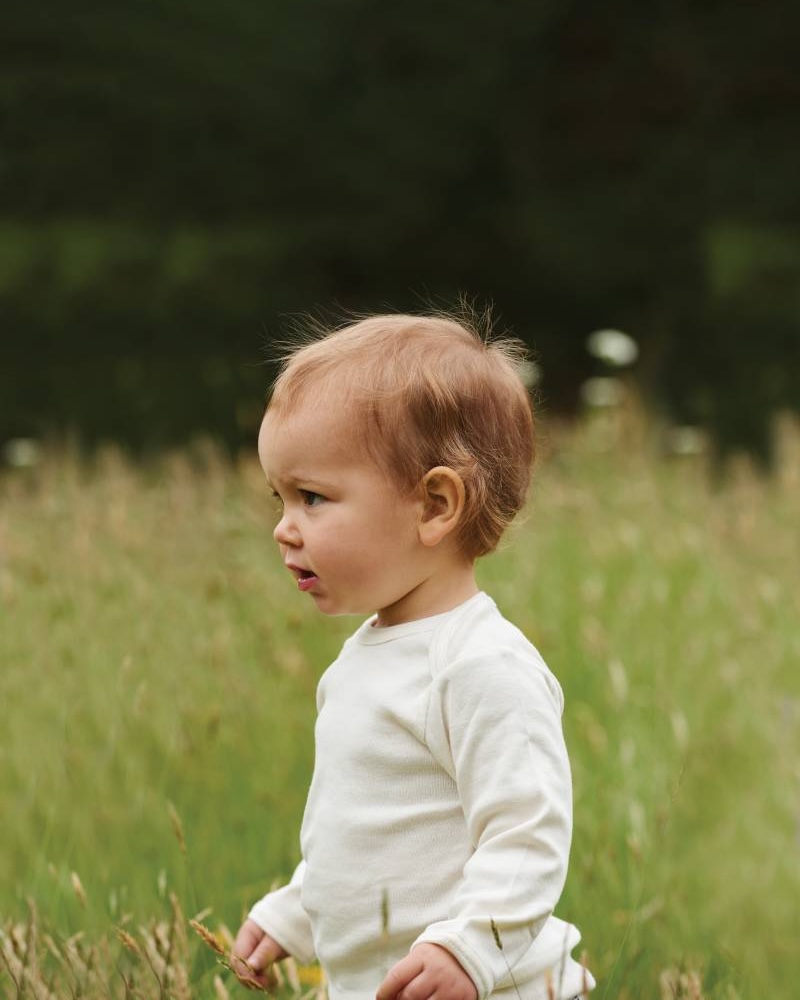
As they’ve expanded around the world, Nature Baby has gained a unique perspective of the global industry. Jacob has observed that the instinct to want the best for your baby is the same everywhere in the world. What differs is the culture around buying.
In the United States, gifting plays a much bigger role, with grandparents or friends shopping for baby shower gifts more than parents themselves. This means products really need to speak for themselves on shelves there.
In Australia and New Zealand, consumers buy more for longevity and with the intention of passing products on. While Australia is similar in a lot of ways to New Zealand, Jacob has seen that stores there have a larger appetite for newness.
In parts of Europe, the expectations around certifications are higher than anywhere else. A question that can be answered in a sentence in most places requires more detail there.
One of the hardest parts of Nature Baby’s business is balancing the opposite seasons in the Northern and Southern Hemispheres. Nature Baby has to create for two calendars at once. Their summer range is landing in the Northern Hemisphere during New Zealand’s winter, the merino they sell in the Southern Hemisphere in July needs a home in New York in December. Jacob notes that three things make this easier for Nature Baby. First, babies are dressed in layers everywhere, so much of their range is seasonless by nature. Merino wool also regulates temperature in both directions, which is why they lean on it so heavily. Lastly, the categories that anchor them (sleep, bedding, and care) barely move with the weather at all.
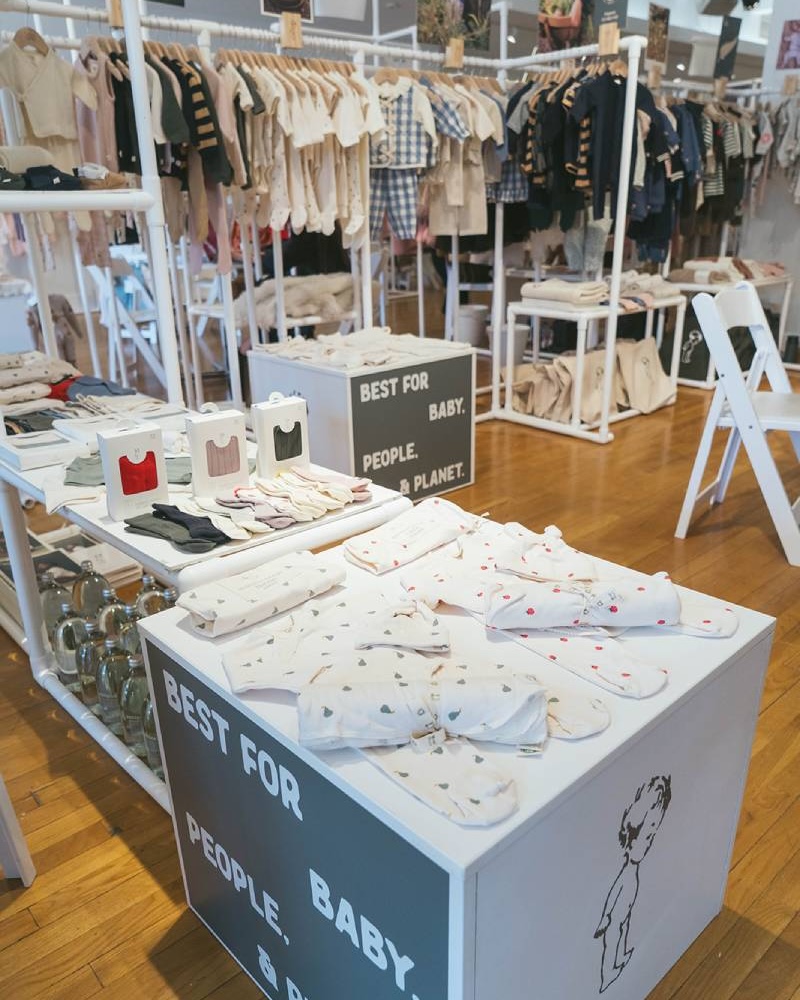
Nature Baby has exhibited for several seasons now at Playtime New York. They first made the journey because the buyers they want to meet are there. They continue to come back to foster those relationships. Some of their longest-standing stockists began as conversations at a stand. The event also allows them to learn the fastest. In just three days they get more direct feedback on their new collection than in a whole season of reporting. They’re able to hear what buyers in very different markets are all worrying about at the same time, too.
Nature Baby has also exhibited at both editions of The Tiny Show on Tour Los Angeles. They immediately loved this event because the scale suits how they work: it’s smaller and more considered, which means conversations go further. They’ve also found the brands around them there to be like-minded. For Jacob, there’s something really useful about being around people solving the same problems.
At Nature Baby, the next step on their journey is finding ways to close the loop. Jacob and Georgia would love for every piece they make to come back to Nature Baby at the end of its life with one child and go on to the next one. Beyond that, they want to do more community work and build more places where parents can gather. They’ve already opened new stores in Australia this year, and will open another in Wellington, New Zealand. A new season is landing, and they have exciting community projects in the works.
Above all, Jacob and Georgia want to be here in another 28 years still making things they would put their own grandchildren in.
Thank you to Jacob for giving us this inside look into Nature Baby! As a brand that has been part of our community for several seasons now, we loved learning more about their journey. It’s incredible to see how they have maintained their values of purity, quality, usefulness, and care through nearly thirty years of business and significant international growth. Nature Baby is an exceptional example of a family-owned business who set out to make what they couldn’t find.
Buyers can get their pass to meet Nature Baby again this February at Playtime New York starting October 20th. For more brand stories, check out our past articles here!