Voices
A Motherhood Moment With Senegalese-French Creative, Mously 




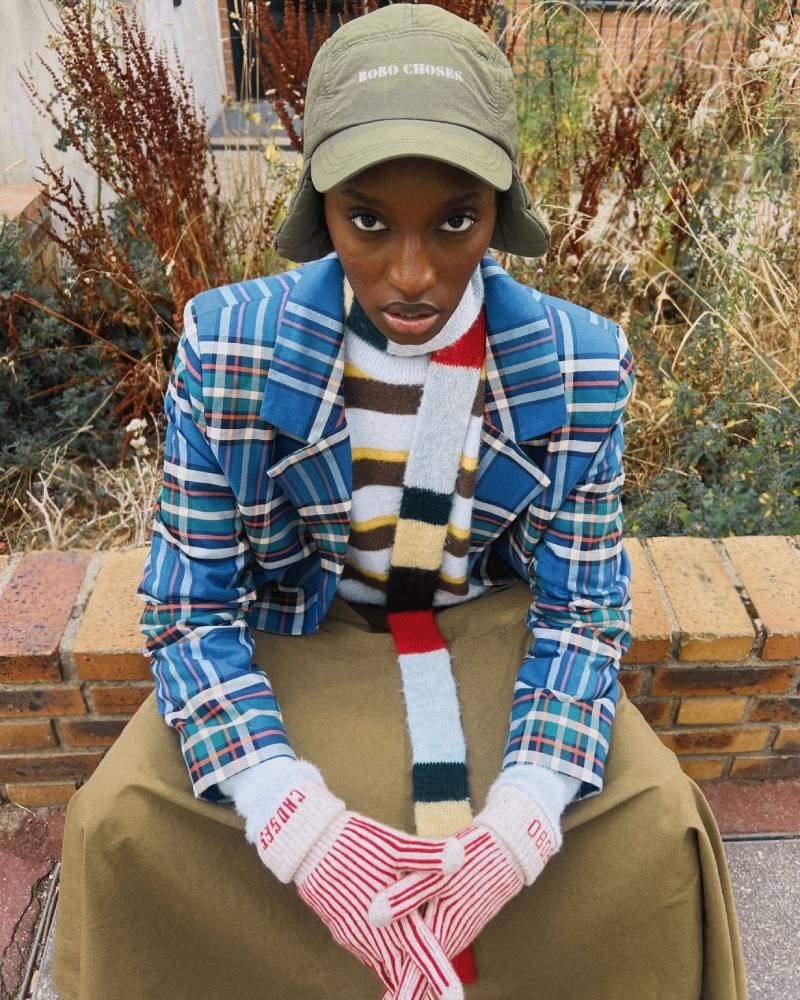
We love meeting members of our community to discover their visions of childhood, how they express themselves, and how they harness their mediums to share their creativity with the world. We recently spoke with Mously Kébé, a mother, creative, stylist, and content creator who visited Playtime Paris for her first time this summer.
Join us as we learn more about her visual identity, what inspires her as she styles herself, her son Sidate, and others, how she began collaborating with brands, what her first experience with our events was like, and so much more in this exclusive interview.
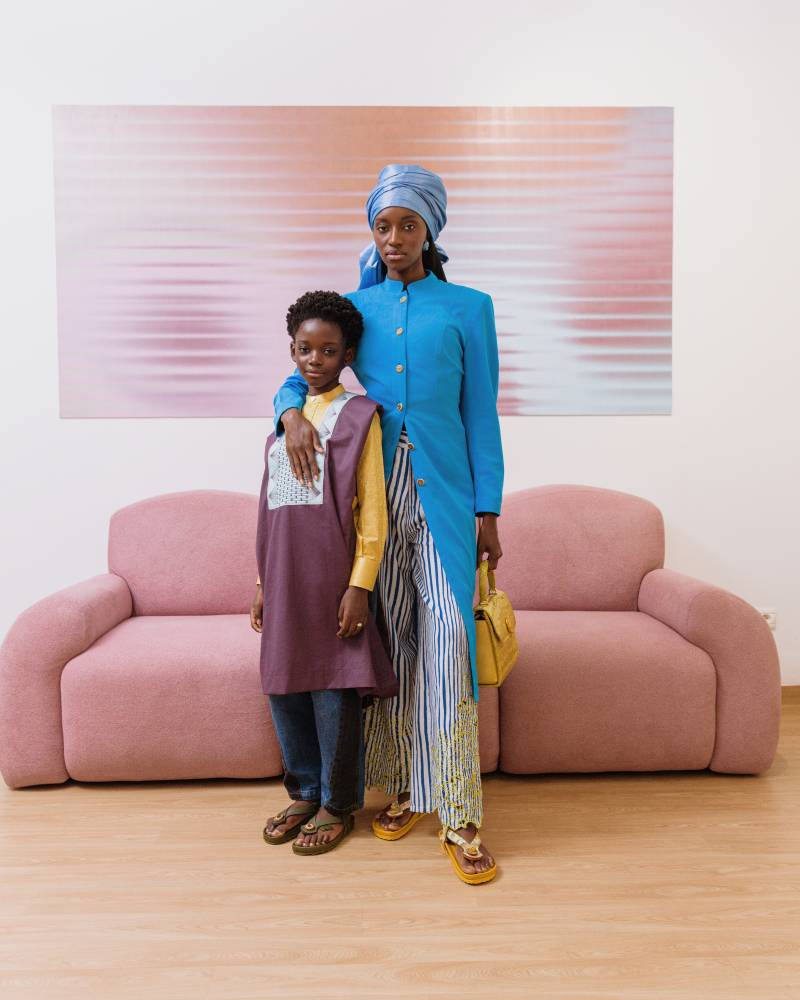
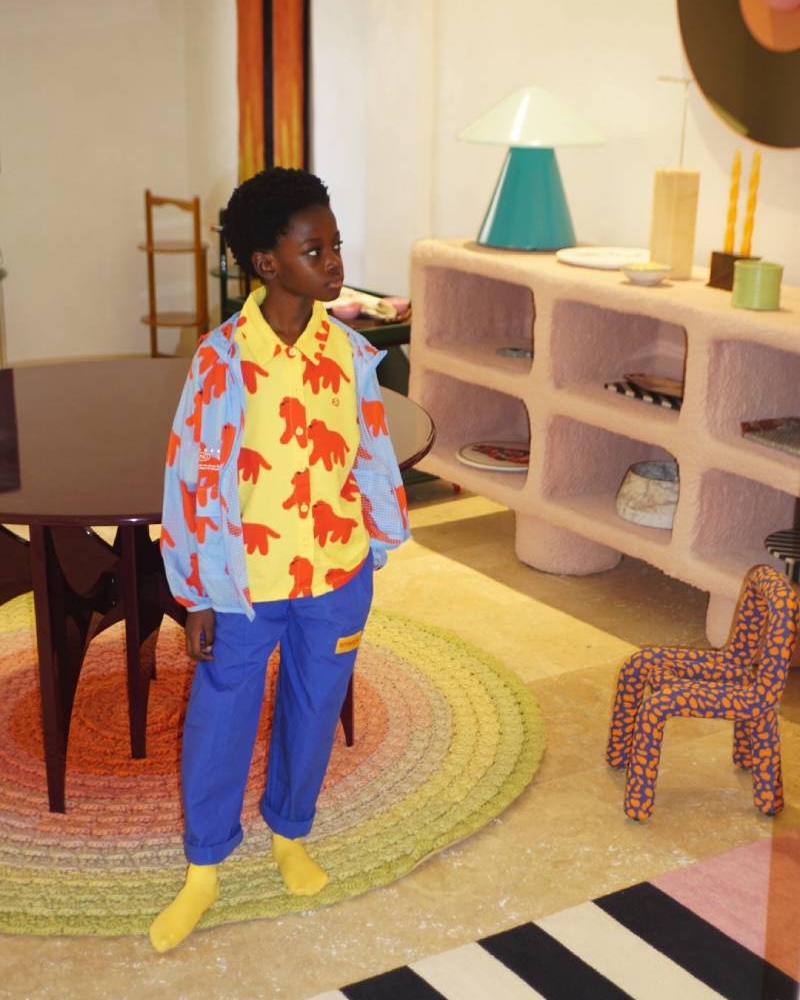
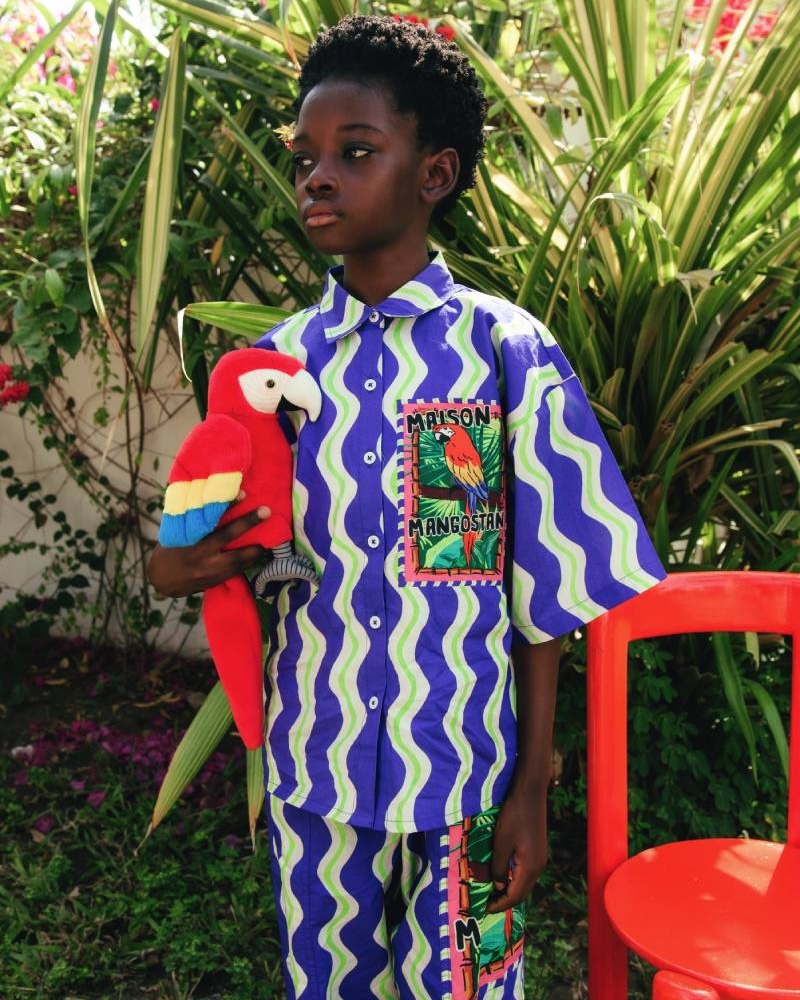
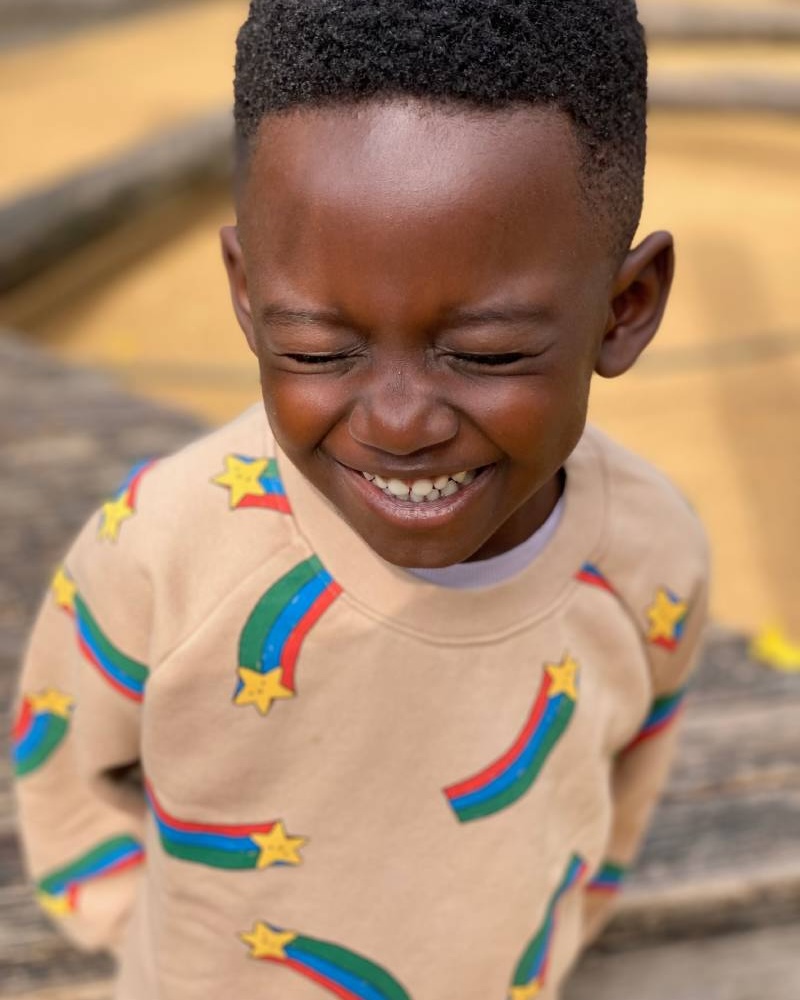
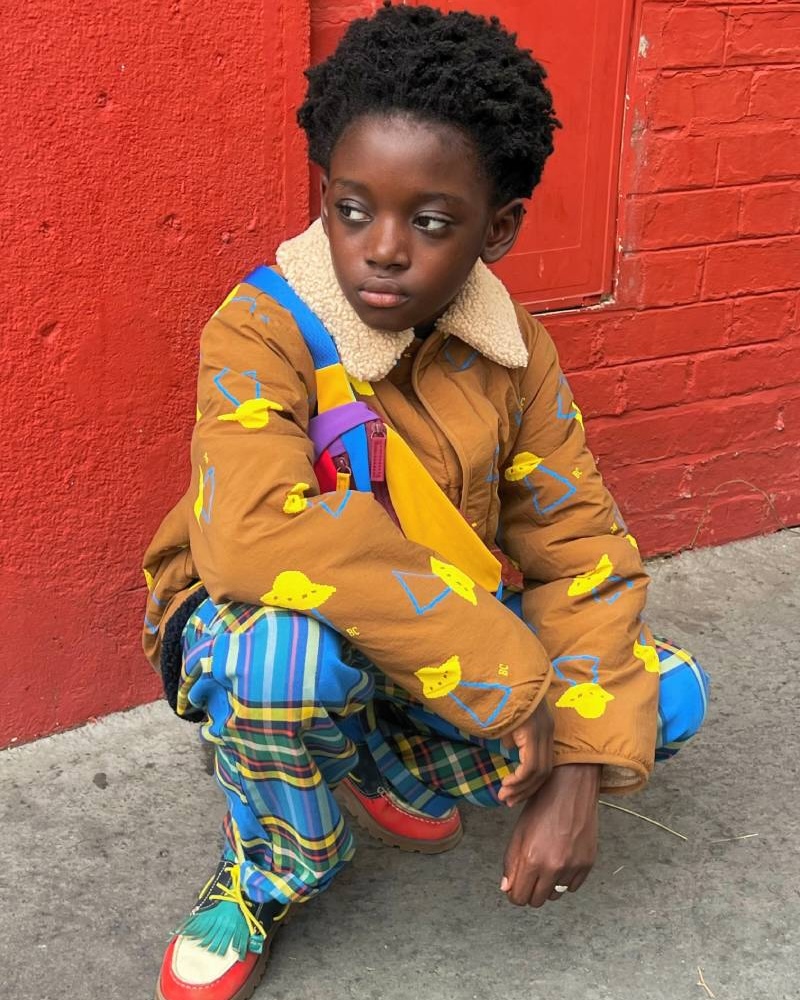
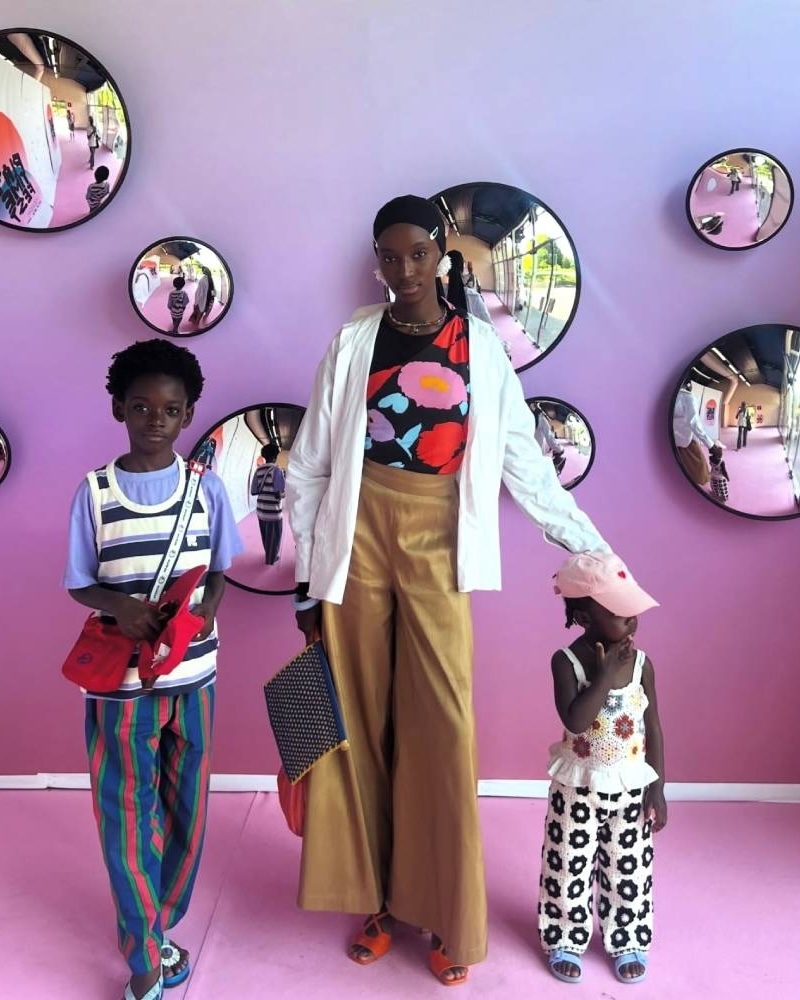
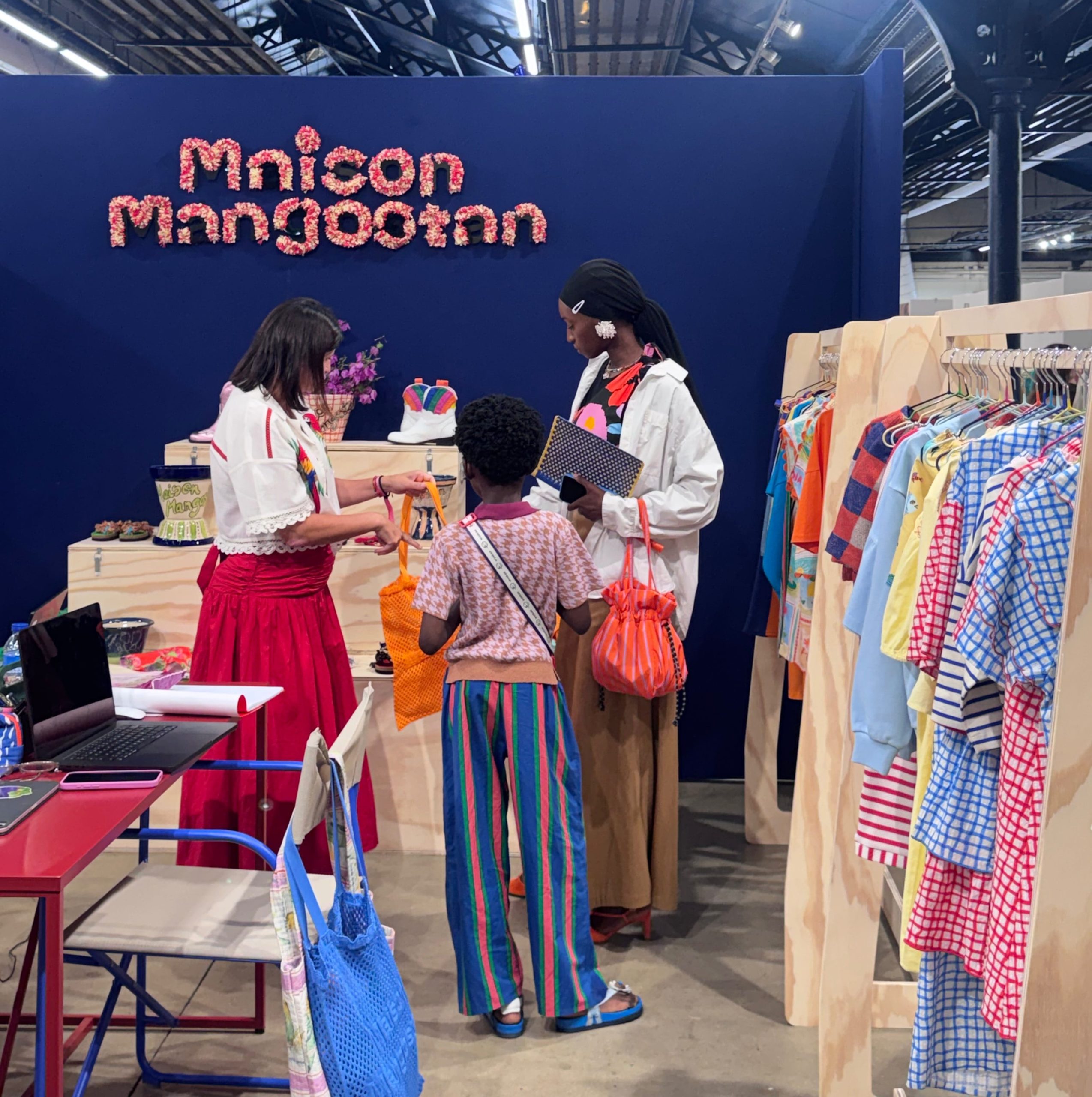 Mously and her son Sidate at Maison Mangostan’s booth, Playtime Paris S26
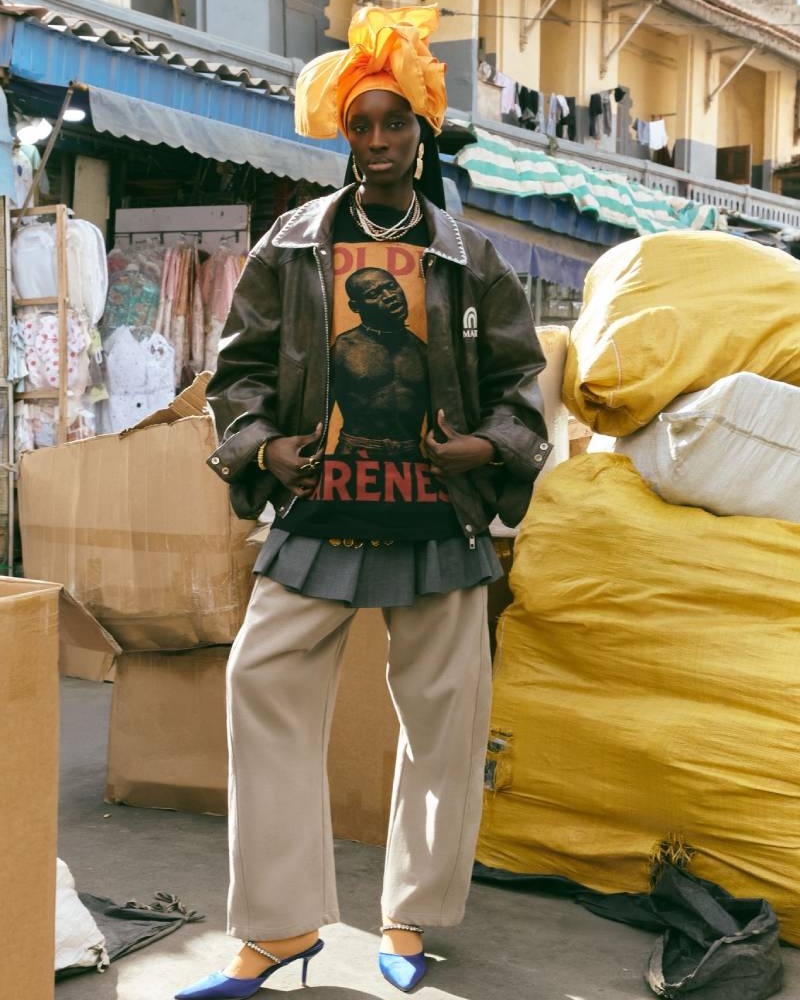
My name is Mously Kébé. I’m a Senegalese-French stylist, creative director, model, and content creator, and I’m also a single mum to a 9-year-old boy.
I grew up between Dakar and Paris, where I was surrounded by fashion and creativity from a very young age. My father is a tailor specializing in high-fashion and costume design, while my mother has always had a strong love for fashion and a very distinctive sense of style. I grew up watching them express themselves through clothes, and I think this naturally became part of who I am. Even today, I still love wearing and reinventing pieces that belonged to my mother.
I became a mother at 21, so in many ways my son and I have grown up together. Motherhood has been a huge part of my personal journey and has shaped the woman and creative I am today.
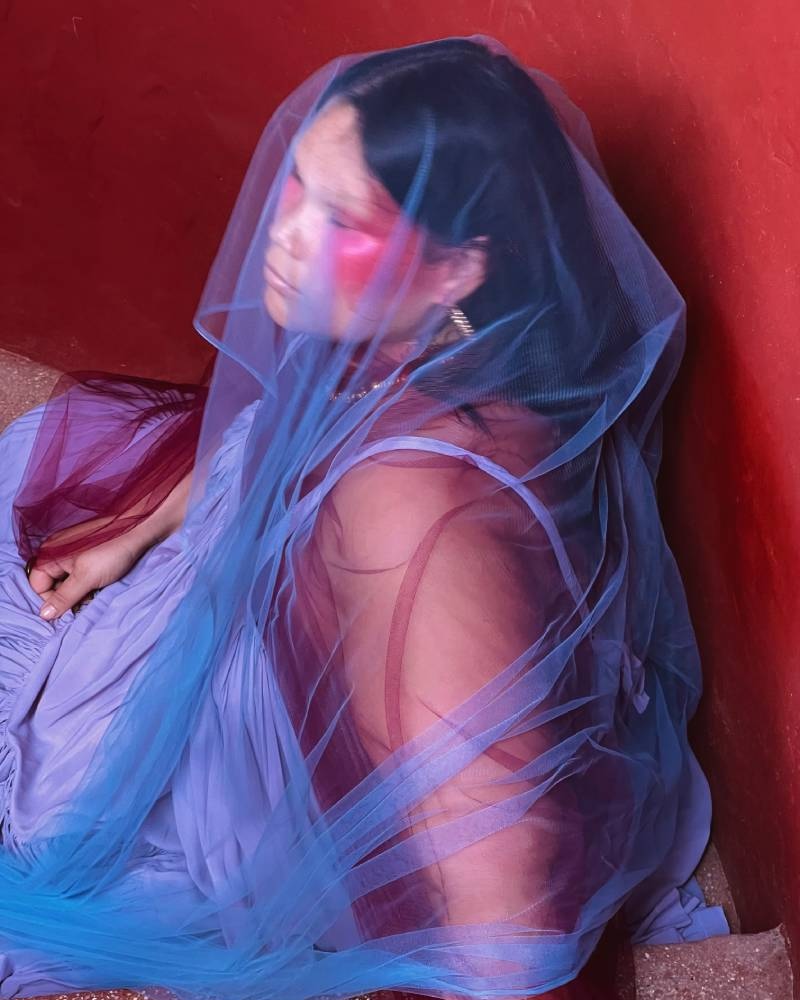
I’m naturally curious and versatile, with a strong love for art, fashion, storytelling, and interior design. My work is an extension of that, a space where I can bring together my creativity, cultural influences, and love for creating.
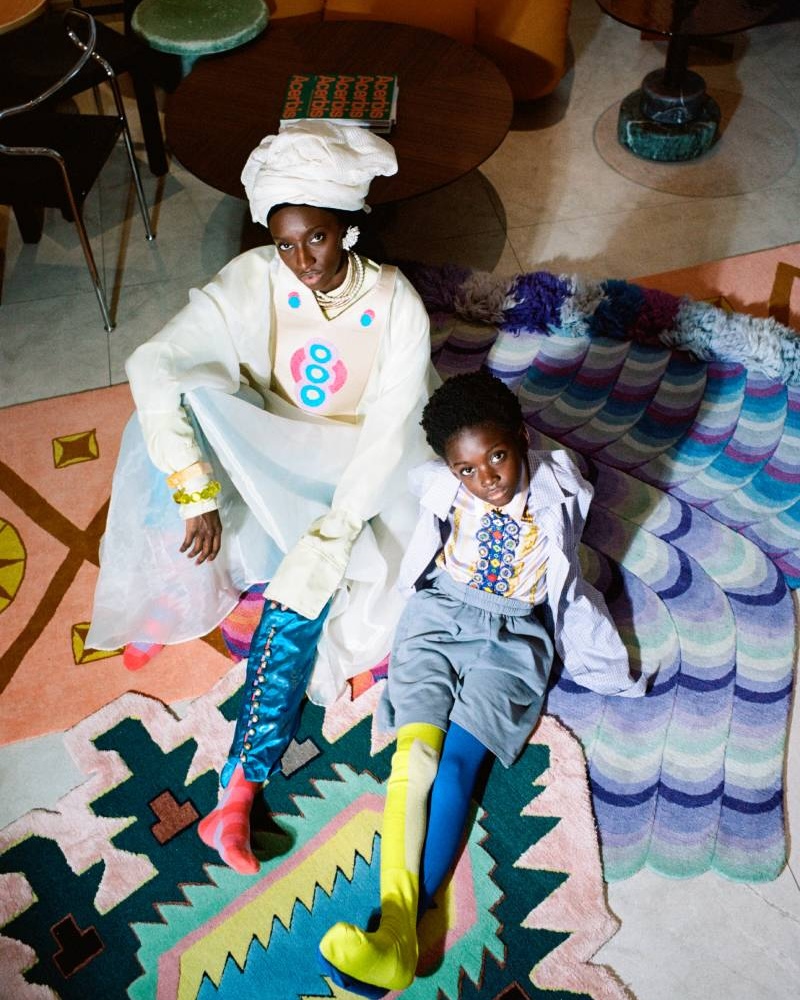
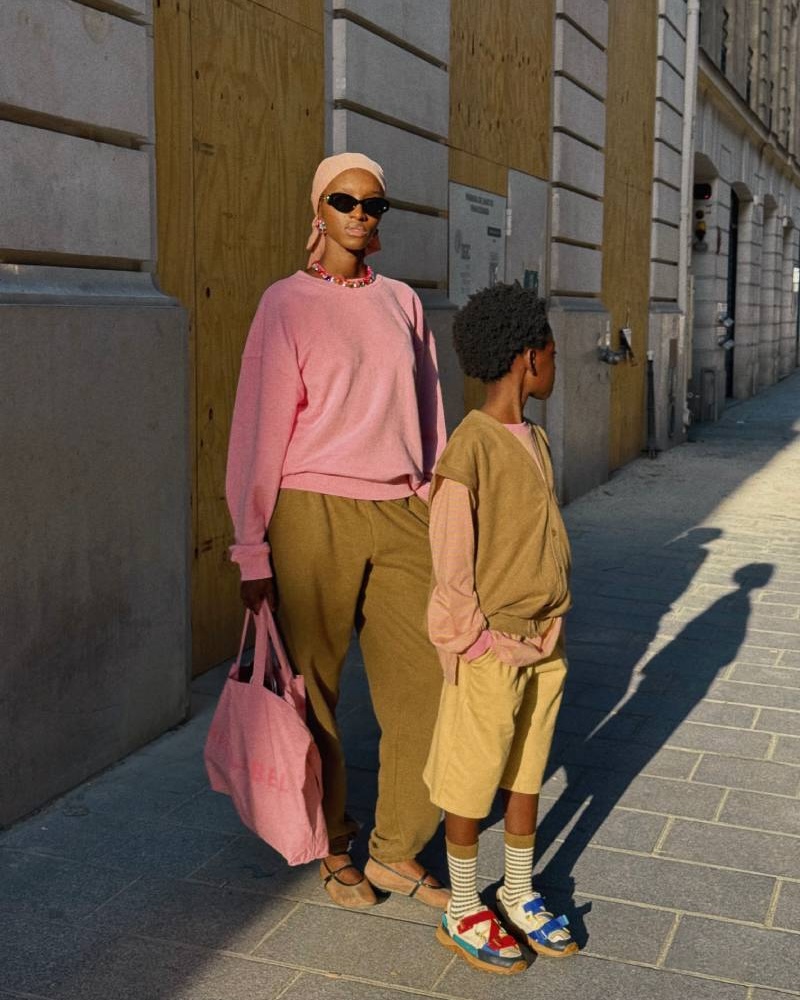
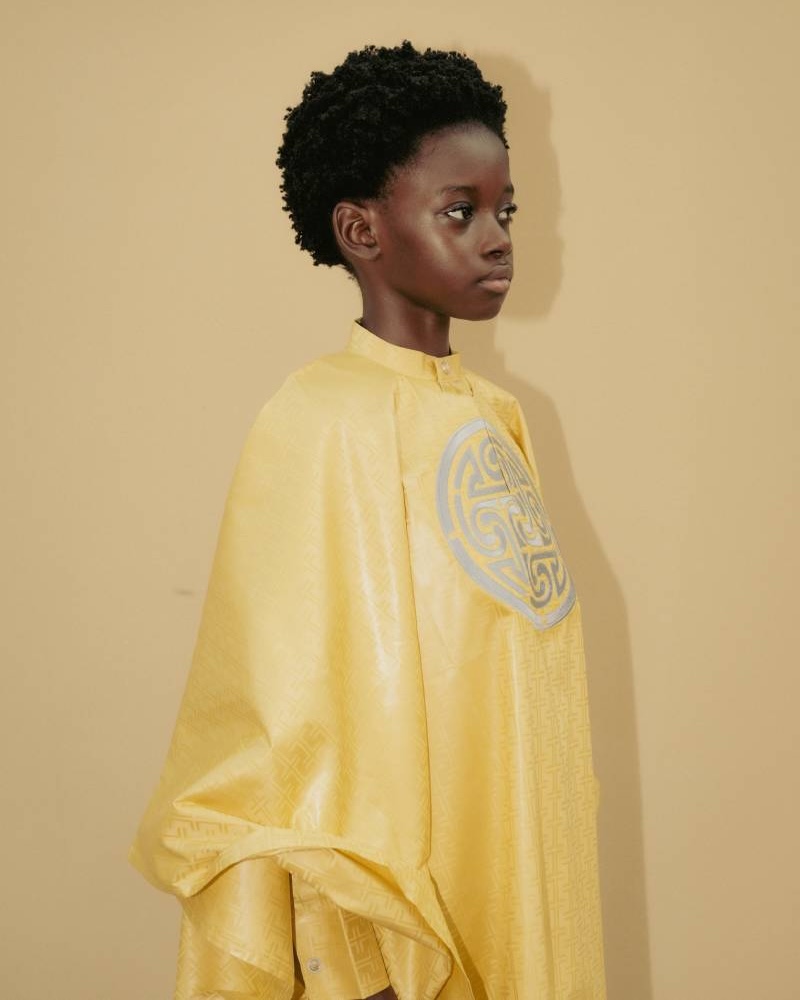
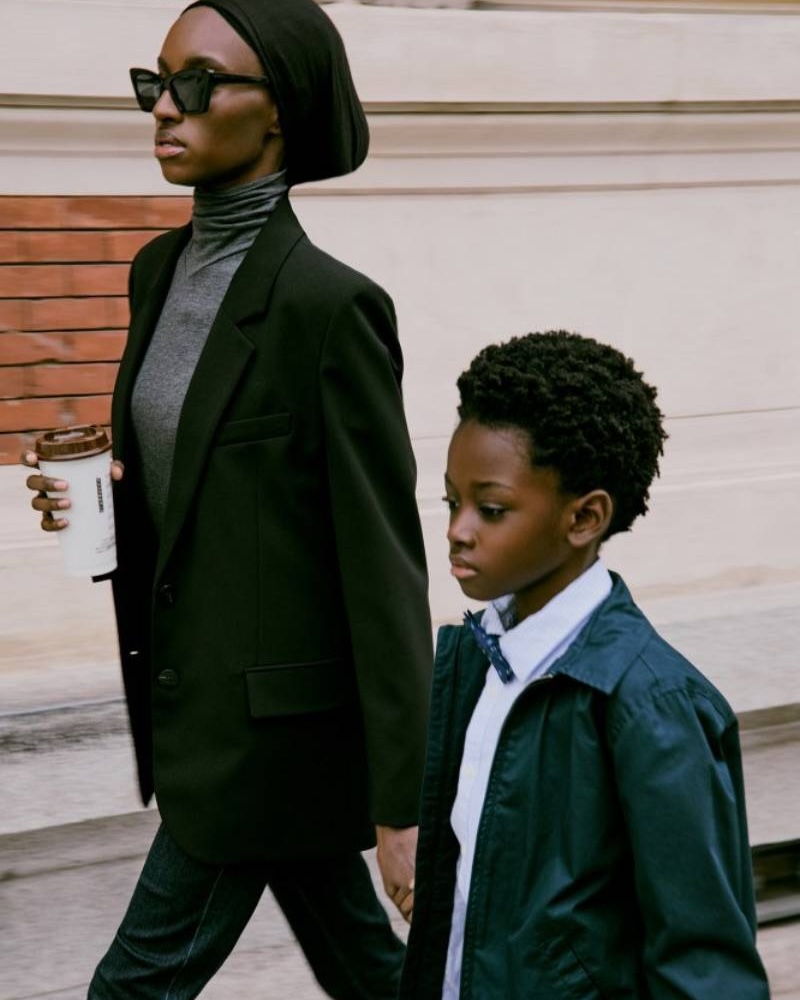
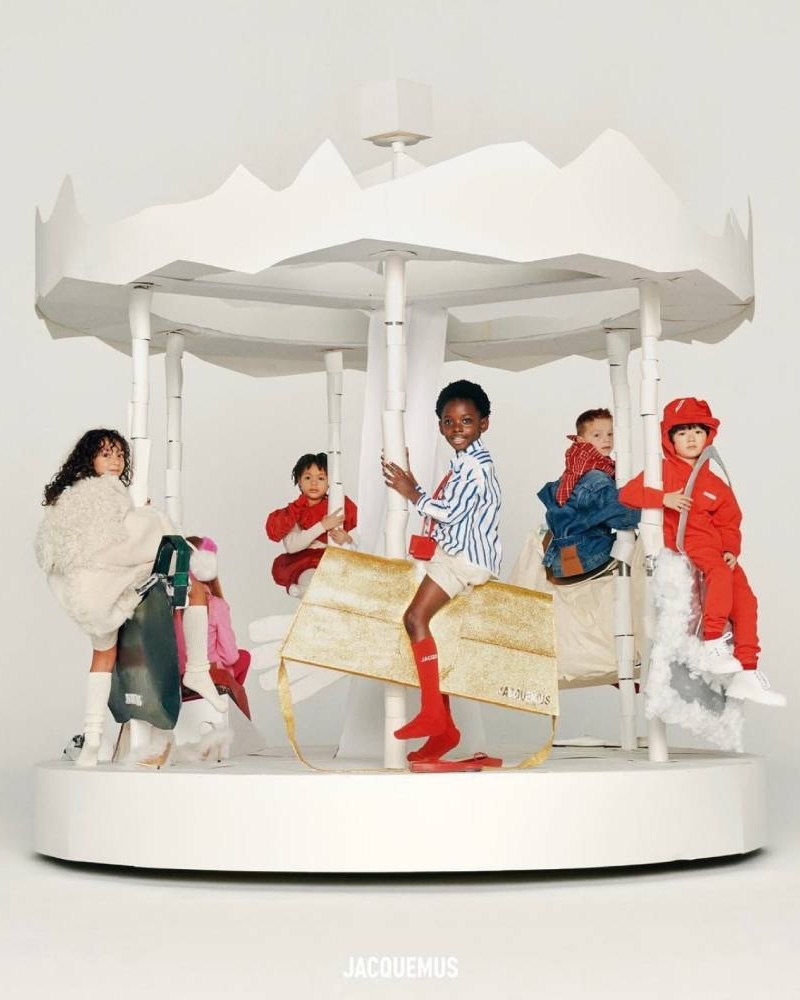
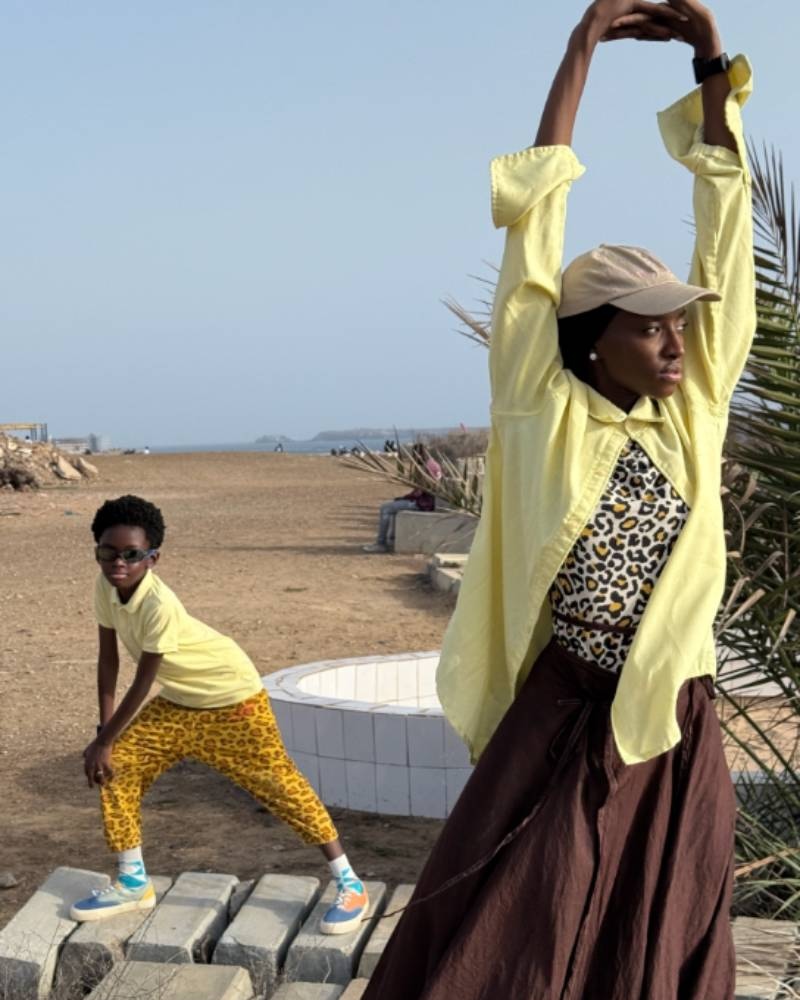
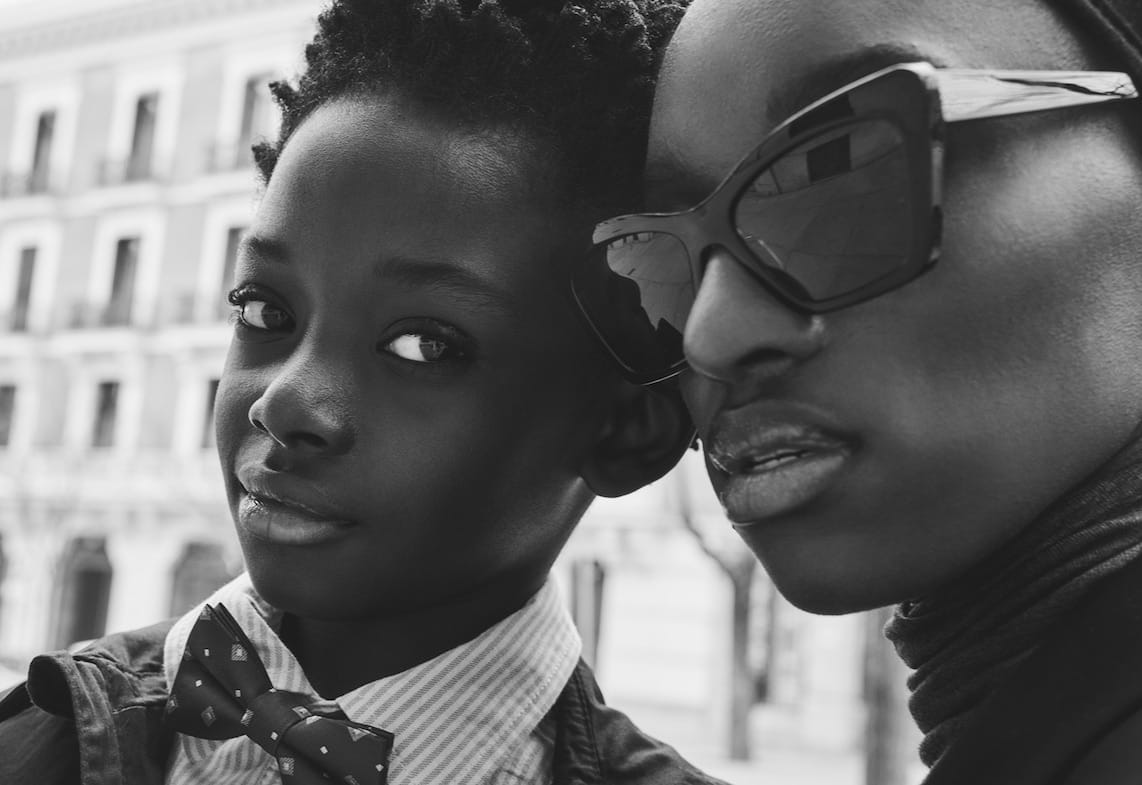 Sidate and Mously for Sfera
I don’t think becoming a stylist was ever really a plan, it just happened little by little. After high school I was planning to become an accountant, but ended up studying sales and marketing. I was a good student, so I was naturally drawn towards a more traditional career. But I always had this creative side and felt like I needed to make things.
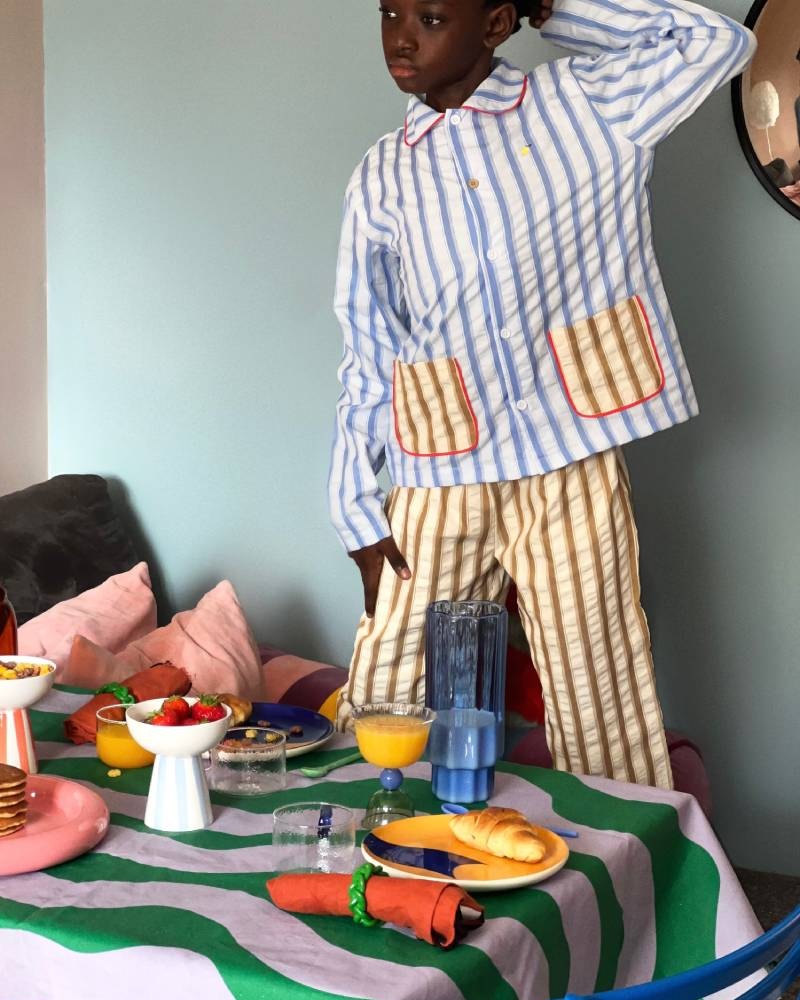
Becoming a mother at 21 changed a lot for me. I started trying different things and following what I actually enjoyed. While living in Dakar, I started making clothes for children because I couldn’t find what I wanted for my son and I knew how to sew. Eventually I thought, « Why not sell them? » During the global pandemic, I also started creating my son’s birthday parties. When I couldn’t find what I wanted, I made it myself, from decorations and tables to baking and even interiors.
My mother has a beautiful wardrobe, and now I’m the one wearing almost everything from it! We have the same shoe size and a similar body shape when she was young, so I feel like I have my own little archive at home. She also tells me that I was always creating outfits as a child. And I was a fashion kid – she was always dressing me well!
When I had a boy, I remember thinking, « How am I going to dress him? » I wanted clothes that were comfortable, but also had personality, because I found boys’ fashion quite repetitive. I started discovering small brands and could spend hours looking for the perfect pieces.
People slowly started noticing the way I dressed my son and myself, and then the opportunities came. I started styling people and working on different creative projects, and eventually I realized that maybe this is actually what I’m meant to do.
Today, I don’t really like putting myself in just one box. I’m a multidisciplinary artist, I just love creating. Styling is one of the ways I express that.
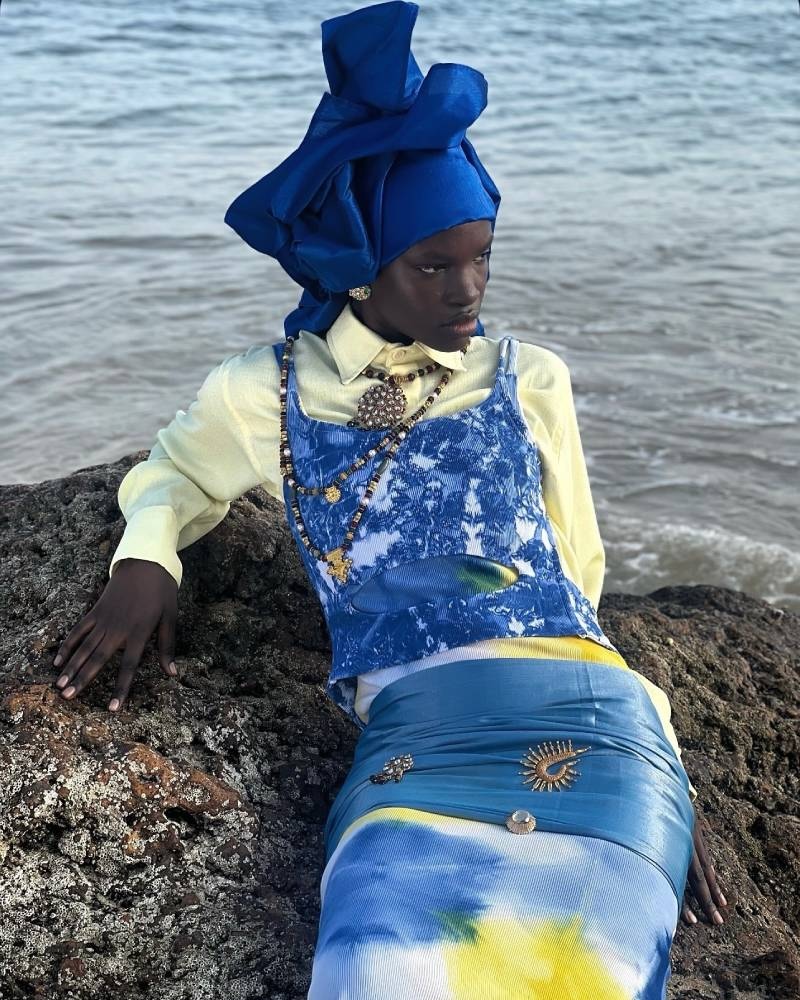
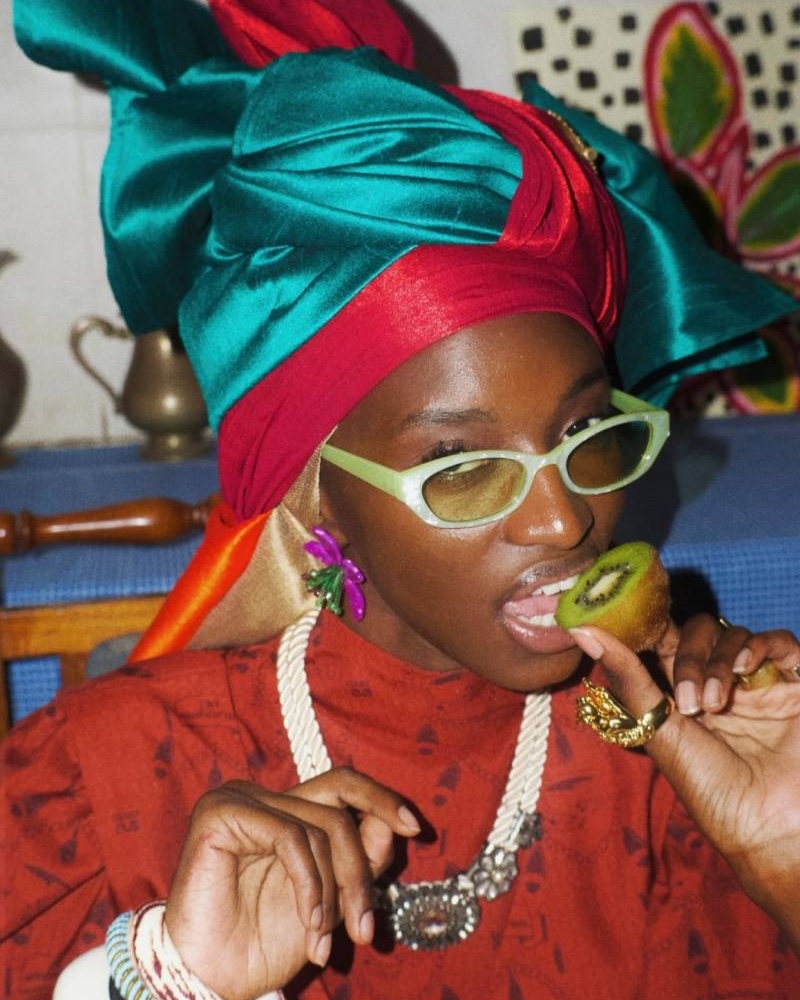
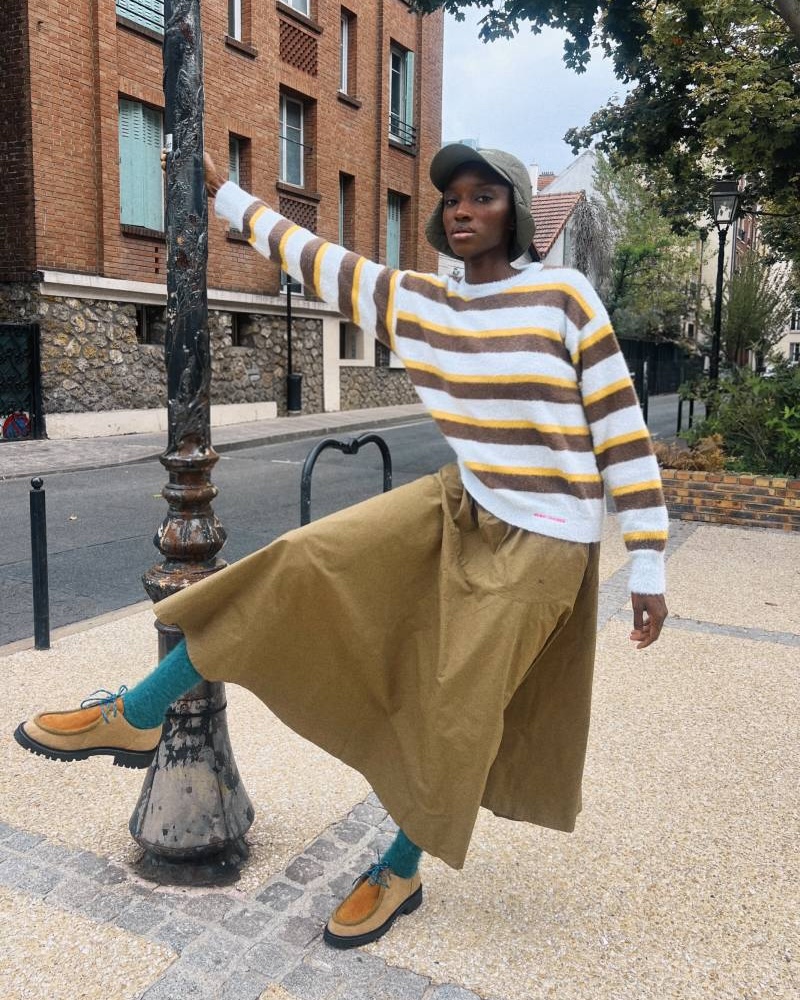
My styling is always colorful, but it’s not just about using lots of color. I’m very particular about the shades and how I put them together. People sometimes see a color and say, « That’s so you, » and I’ll say, « Actually, no! » I like creating combinations people might not expect.
I love prints, layering, textures, different materials, and volume. I also like playing with how clothes are meant to be worn. If I want to turn a skirt into a top, I will. I don’t think a piece has to have just one purpose.
Comfort is also really important to me, especially with children. I pay attention to how clothes are made and how they move. For example, some brands may make « indestructible » trousers with very strong seams, but when a child jumps, climbs, or does an acrobatic move, a rigid seam can actually restrict movement or make the fabric tear. I’d rather choose loose trousers in a softer, more flexible fabric that moves with the child. I want the same for myself: clothes should look good, but I need to feel good in them, too.
So, I’d say my style comes from all that, but also from seeing clothes as something you can play with and reinvent.
My creative process is very instinctive. Usually I start with a feeling, an image, or an idea that comes to me, then I build around it. I don’t like forcing a concept just because I feel I need to create something. I prefer when an idea feels natural, then I let it grow.
The same goes for collaborations. Until recently, I didn’t really go looking for opportunities, I mostly let them come to me. Around 95% of my collaborations have come directly from brands. Many are brands I was already buying from, sometimes since Sidate was very young. I was sharing their pieces simply because I genuinely loved them, with no collaboration behind it. So when they eventually approached us, it felt like a natural continuation of something that was already there.
I’m quite selective about the brands I work with. They need to have a style and values that make sense for us. I’ve turned down collaborations when I didn’t feel there was a real connection.
More recently, especially through events like Playtime, I’ve also started introducing myself to brands I genuinely like. I might share our page or media kit and simply say, « If you ever want to work together, here’s what we do. » I’m becoming a little more proactive, but I still want every collaboration to feel natural and true to who we are.
Being between Paris, Dakar, and other destinations throughout the year allows me to create from wherever I am. I adapt each project to its location, often seeking out unique places and settings that bring something unexpected to a brand’s visual identity. I see this flexibility as a strength: it allows me to combine a brand’s universe with my own creative vision and create content that feels personal, distinctive, and different.
For me, it has to start with a connection. I need to like the brand, its aesthetic and its values, and to feel that it makes sense for us. Even when a brand approaches me, I always explain that I have my own universe and creative identity. I don’t want to simply reproduce what a brand is already doing.
I don’t consider myself an influencer in the traditional sense. I’m a creative, and when I collaborate with a brand, I want to add my own eye to it. That’s why I’m not really interested in simple product placement or content mainly about pushing people to consume. Instead, I like taking a few pieces I genuinely love and creating something meaningful around them.
I take my time choosing the pieces, looking at how I would style them, how they fit our personalities, and how they can become part of our wardrobe. I often create a moodboard and take inspiration from the collection itself, while bringing my own interpretation to it. Sometimes I’ll style a piece in a completely different way from how the brand imagined it, and I love that exchange of ideas.
Quality is also very important to me. These are clothes that my son and I actually wear after the collaboration. I don’t choose pieces just for one shoot and then forget about them. If we love them, you’ll see us wearing them again and again. I think that’s what makes a collaboration feel genuine: when the brand becomes part of our real life, and our creativity brings something new to the brand in return.
My Senegalese roots definitely influence both the way I dress and the way I dress Sidate. Senegal is a country where fashion is deeply rooted in everyday life. We love getting dressed, we love beautiful things, and we’re not afraid of color, volume, or making a statement.
Growing up between Dakar and Paris, I naturally developed a style that carries both worlds. In Senegal it’s completely normal to wear bright colors, bold silhouettes, beautiful fabrics, or a statement headpiece, even for everyday occasions. Tailoring and made-to-measure clothing are also a big part of our culture, with tailors everywhere and a real appreciation for quality fabrics and craftsmanship.
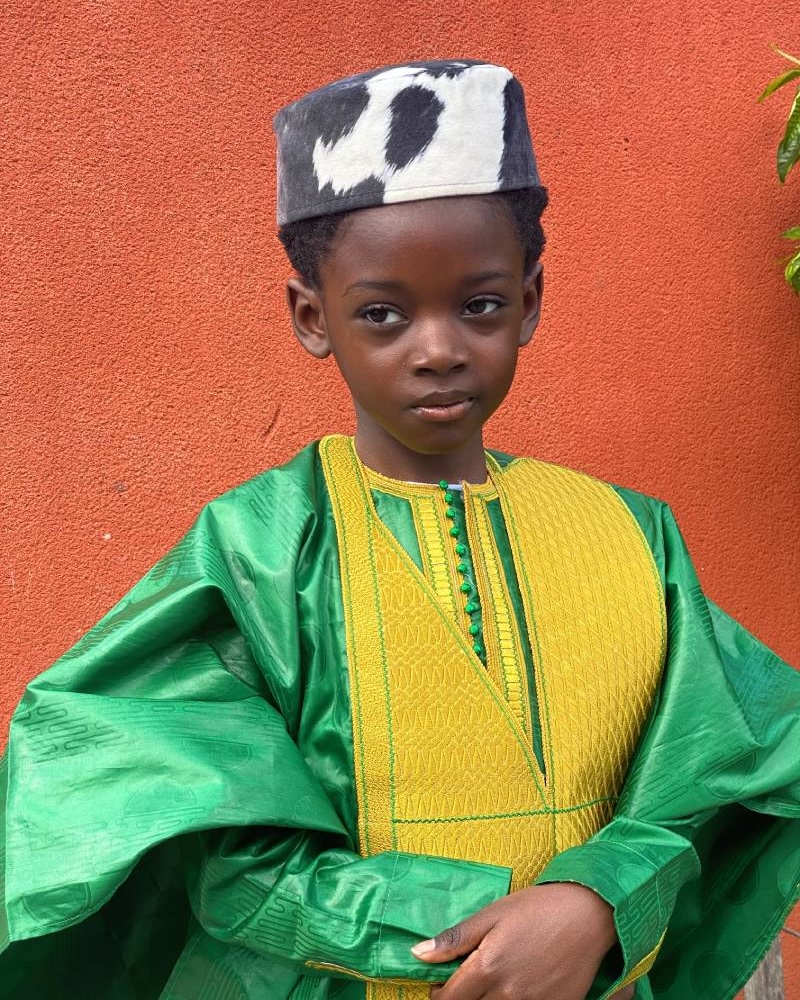
That definitely shows up in my own wardrobe, but also in how I dress Sidate. I like him to have the freedom to wear color, volume, and unexpected combinations, while still feeling comfortable and like himself. I think we both share the idea that getting dressed should be something you enjoy, not something you have to fit into a certain set of rules.
My social media started as a personal account, and little by little I built a community around what I was sharing, especially between Dakar and Paris. Over time, it’s become more international.
When I became a mother, my content naturally became about motherhood. I shared activities, little tips, children’s brands I loved, room decoration, and things I was doing with my son. During Covid, I spent a lot of time at home with him, creating activities to keep him busy and stimulated.
I also started sharing more of Sidate’s looks, and later my own style and work. He has been an international model since he was four, but for a long time I kept that part of our life private. I didn’t really show his face or talk about his modeling because I wanted to protect him and keep our private life separate from social media.
Over the last year, as we started working together more on modeling and creative projects, that changed. I realized I could share our work without sharing everything about our lives. That’s when I really started embracing our duo, our fashion, and our creative projects together.
Today, I see Instagram more as an open portfolio than a traditional influencer account. I’m very intentional about what I share across fashion, styling, art, creativity, modeling, and our work together. I don’t believe I have to show everything to be present online.
When Sidate was little, I was the one choosing everything for him. I would pick pieces I liked, put different looks together, and then always ask him, « Do you like it? » He would tell me yes or no, and I always respected that. Even from a young age, I wanted him to enjoy what he was wearing.
As he’s grown, that has naturally changed. Now, even when we work with brands, I show him the collections and let him choose the pieces he likes. Then we create the looks together. Sometimes he puts the whole outfit together himself, sometimes I style him, and sometimes we mix both approaches.
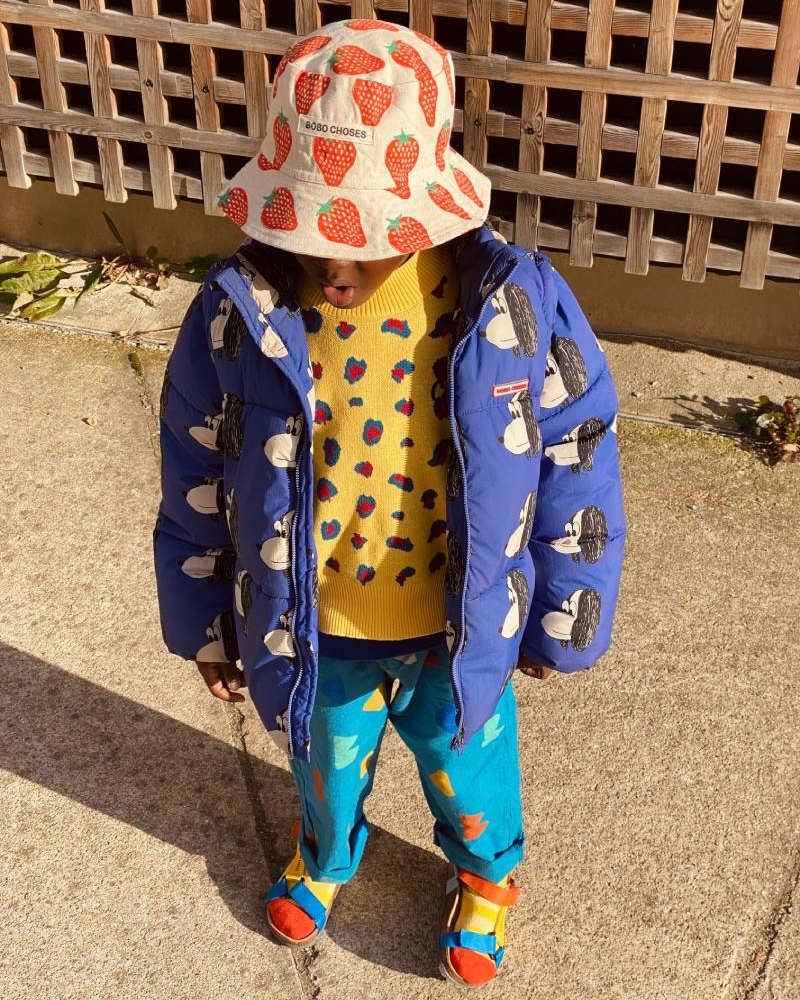
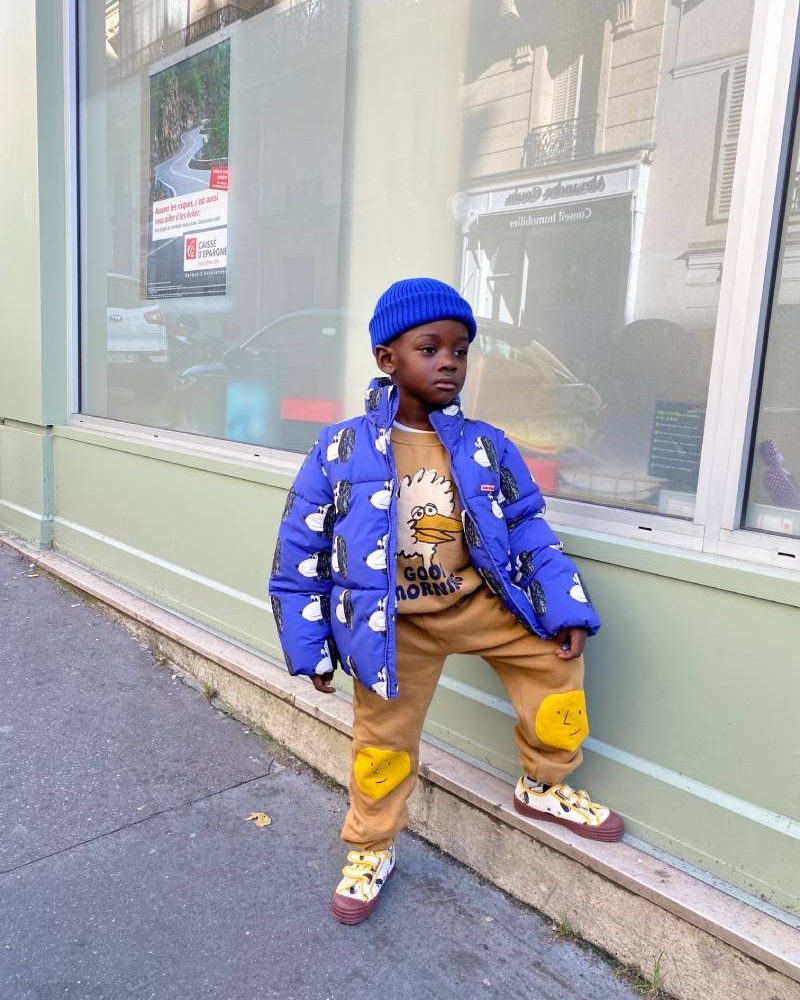
I usually look for loose, comfortable, high quality clothes that work well with his skin and are appropriate for the season. I love using color, prints, layering, different textures and silhouettes, but I always want him to still look like a child. For me, it’s about dressing him as a kid, just with a strong sense of style. I want him to look cool, comfortable, and completely himself.
For me, quality is one of the first things I look at. I want clothes that are well-made, comfortable, and genuinely designed for children, with fabrics and cuts that allow them to move freely.
I’m also drawn to brands with a strong identity, beautiful colors, interesting prints, good fabrics, and, ideally, a real story or craftsmanship behind the pieces. I appreciate when there is time and talent involved, for example when prints are created by artists.
Longevity is very important to me, too. I grew up seeing my mother keep clothes for years, some of which I still wear today. I’m happy to invest in a beautiful, more expensive garment if I know it will last. I often choose slightly bigger sizes for Sidate so he can wear them longer. When he grows out of them, I pass them on to family or friends. For me, a good piece should always have a life beyond one season.
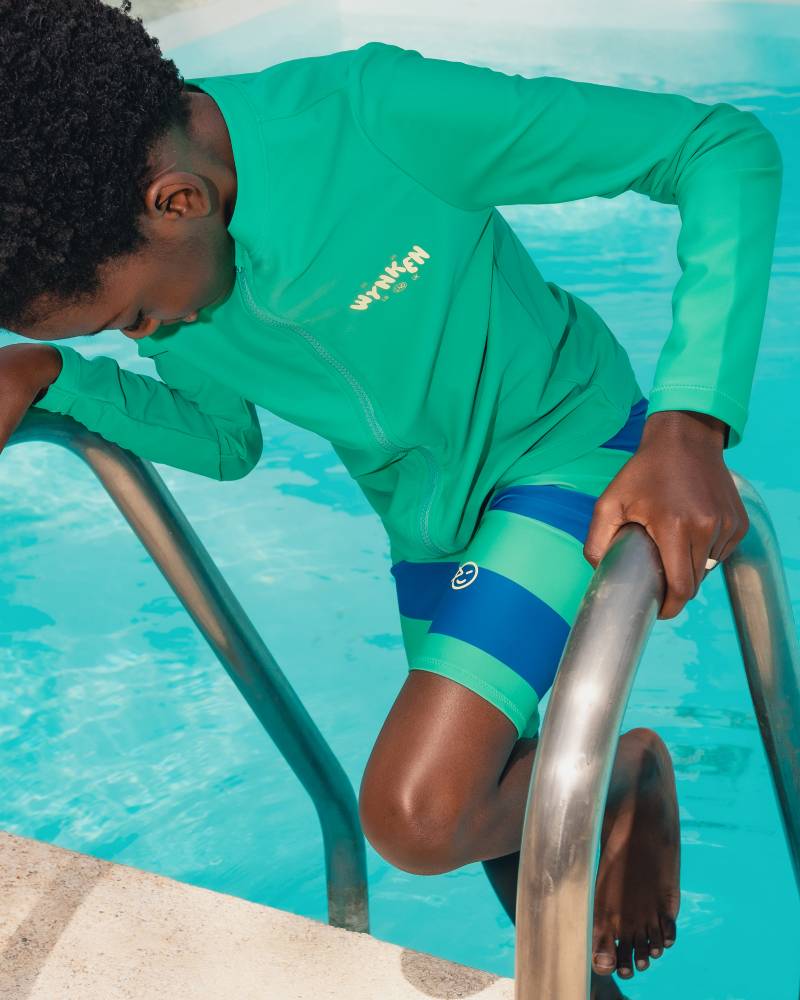
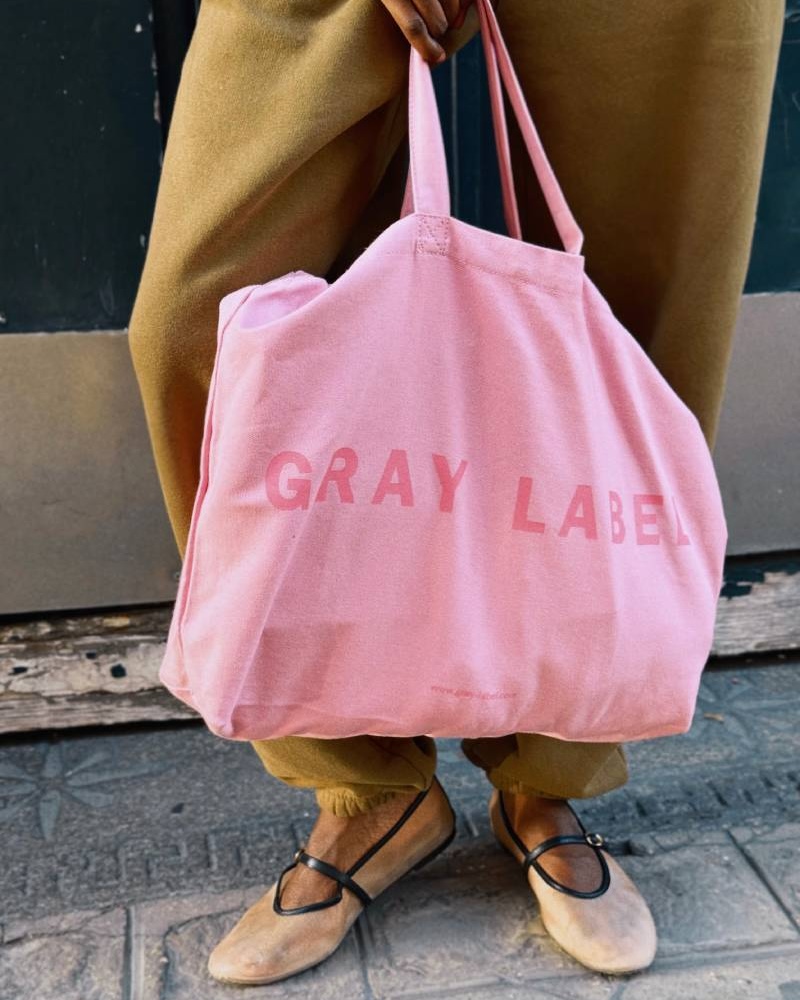
Some of our favorite clothing brands at the moment are Maison Mangostan, Bobo Choses, Jelly Mallow, Wynken, Repose AMS, Gray Label, The Sunday Collective, The New Society, Sticky Lemon, and Tinycottons.
For shoes, we love Veja and Christian Louboutin. For interiors, toys, and accessories, some of our favorites are Liewood, Konges Sløjd, Sticky Lemon, and Mini Kyomo.
What I love about these brands is their strong identity, beautiful prints, great cuts, and attention to detail. They feel cool and contemporary, while still keeping that sense of childhood. Many of them also offer collections up to 12 or even 16 years, which I really appreciate as Sidate grows.
I also love when brands extend their universe to adults, as Bobo Choses, Maison Mangostan, Gray Label, and Arsène et les pipelettes have done. For me, it’s important that an adult collection doesn’t just feel like children’s clothes made bigger. It should keep the brand’s identity while being genuinely designed and adapted for an adult, with the right cut, proportions, and attitude.
I think there are both similarities between Dakar and Paris when it comes to children’s fashion. Parents in both cities care about how their children dress, but children’s fashion is much more established and accessible in Europe.
In Dakar, you can find brands like Kiabi, Gémo, as well as children’s stores like Kids around and Babyloo, but the choice is more limited. Imported pieces can be expensive. There’s also a strong second-hand market, with local resellers and people ordering from Europe or the US. Personally, most of Sidate’s wardrobe still comes from Europe because it’s easier for me to find the style and quality I’m looking for.
But, I think Dakar has huge potential. There are many international families, and French and international schools where children don’t necessarily wear uniforms, so parents really enjoy dressing them. Traditional celebrations are also important moments for children to wear beautiful, often custom-made outfits from local tailors.
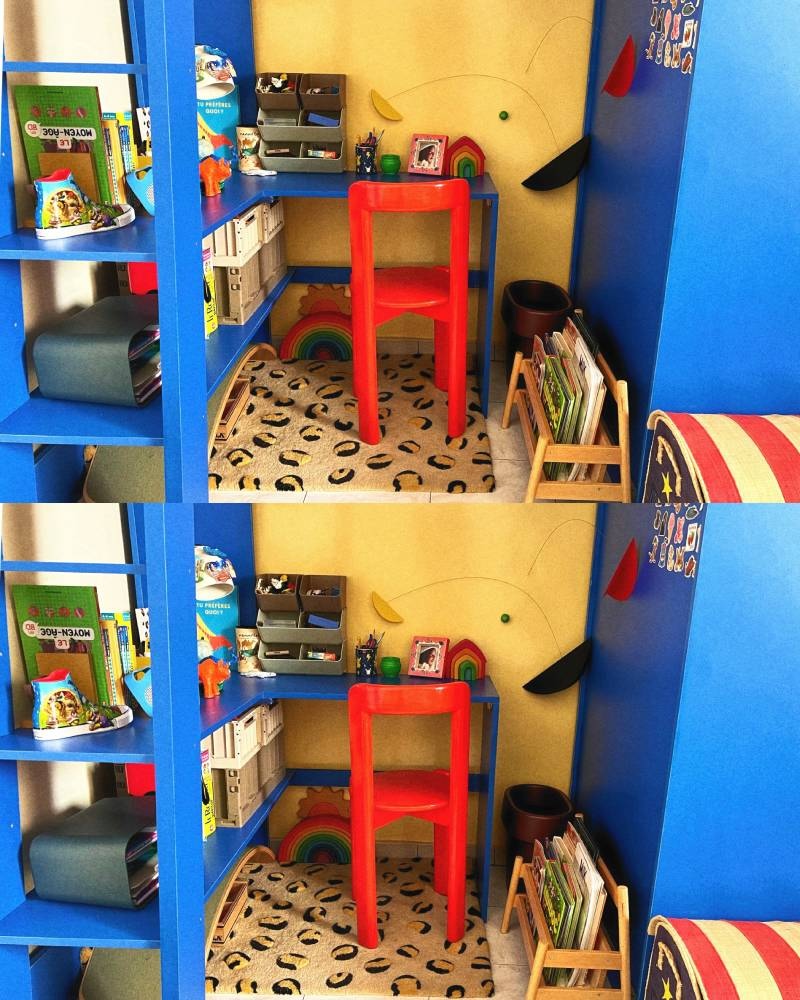
What I really love about Dakar is the access to local craftsmanship. For example, I designed Sidate’s loft bed myself with a desk, wardrobe, and all the details I wanted. I then had a local carpenter make it. I’ve also had furniture and even shoes made locally. In Paris, something completely custom-made can be much more complicated and expensive.
So for me, Paris offers more choice and access to children’s brands, while Dakar gives me more freedom to create and work directly with local artisans. I think there’s a real opportunity to build a children’s fashion culture in Dakar that mixes international influences with local creativity and craftsmanship.
For us, it would definitely be my son’s shea butter. I always have it with me because I like his skin to stay clean and moisturized throughout the day, just in case.
I also always carry his affro pick. He’s a child, so he plays, runs around, and naturally his hair can get a little messy or lose its shape during the day. I like being able to freshen it up quickly so he always looks clean and put together.
And, of course, paper towels or tissues to clean his hands, because we’re definitely a little obsessed with staying clean!
I was very happy to finally visit Playtime Paris this year. I had actually been planning to go for almost two years, but with all my travelling, I never managed to make it.
As a mother and stylist, I loved discovering the people and stories behind the brands. Some were already familiar to me through collaborations or social media, but meeting them in person, discovering upcoming collections, and learning about their materials, ideas, and creative process made everything feel much more personal.
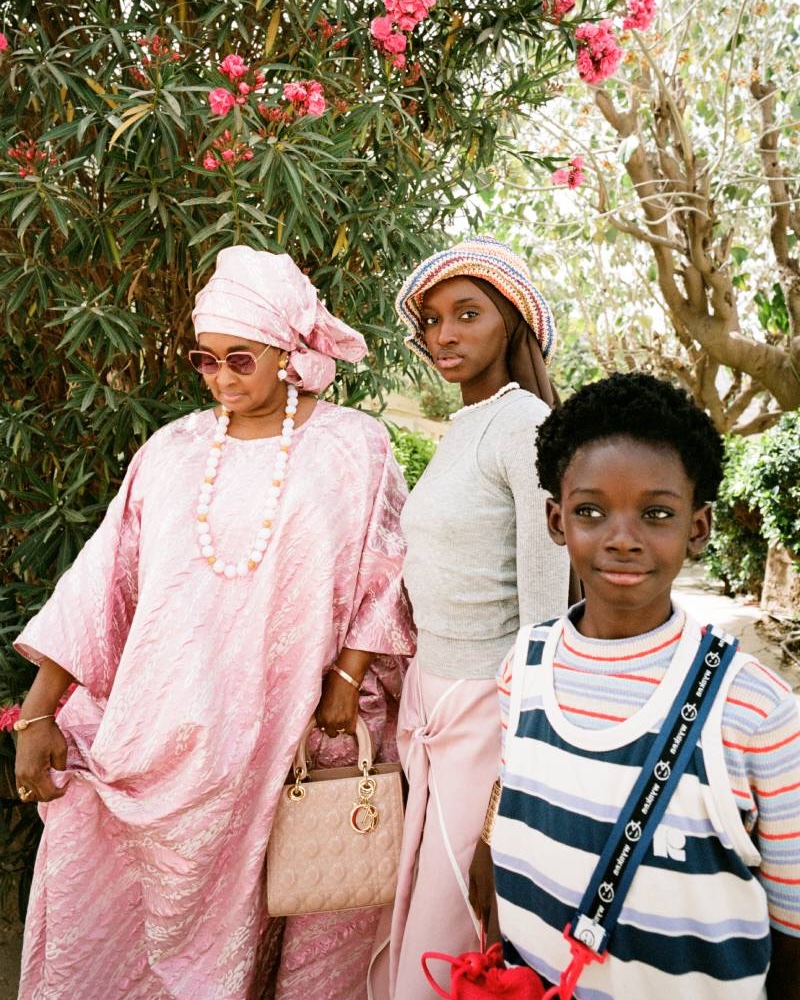
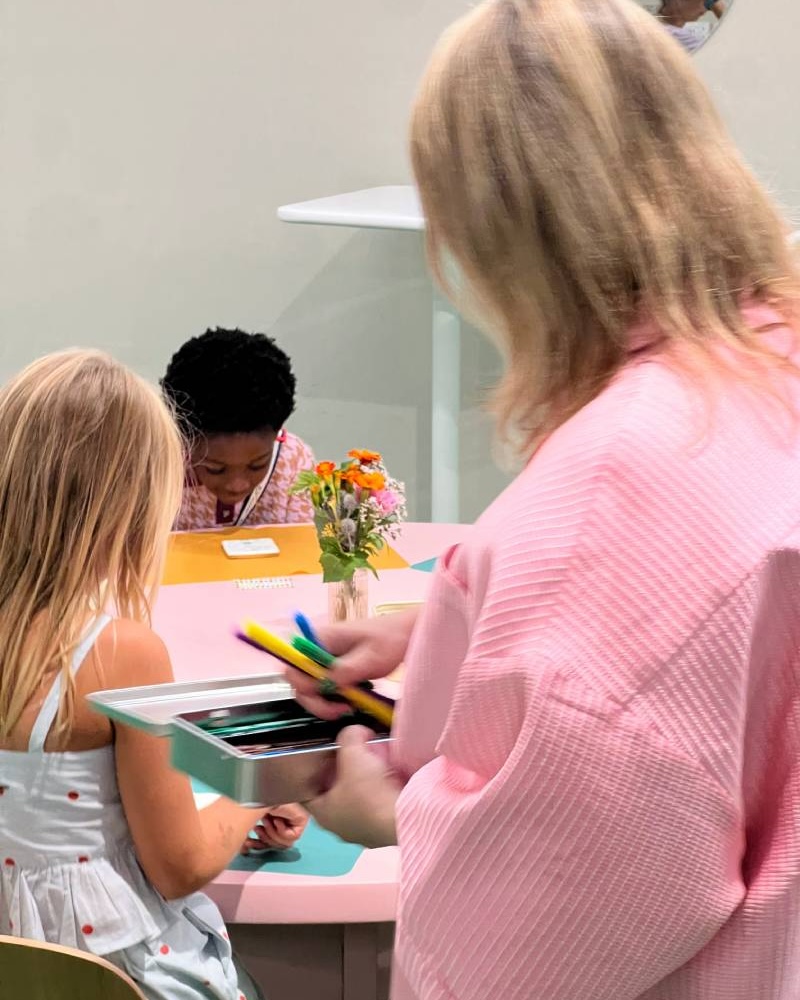
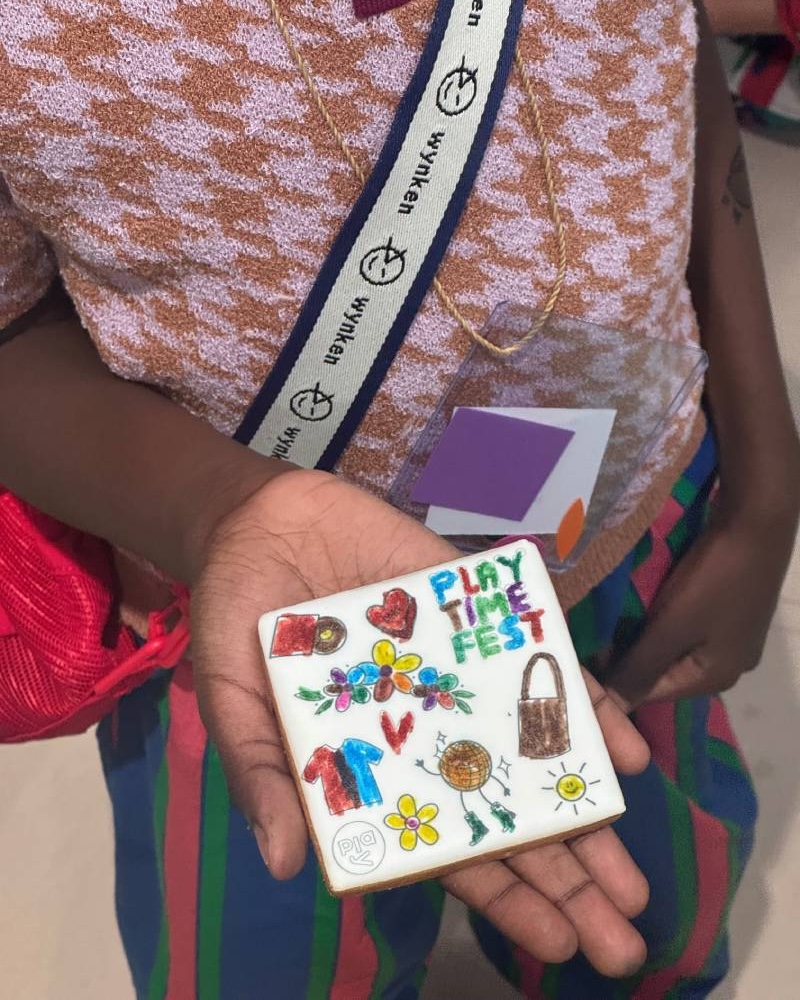
I also loved how genuinely child-friendly the event was, with activities like personalized biscuits by Virginie from Poupette Biscuits, who I was already familiar with from when she made cookies for Sidate’s 7th birthday. My sister and niece joined us too, making it a lovely family experience. Sidate had a great time, and it was wonderful to see the children enjoying themselves while we connected with others.
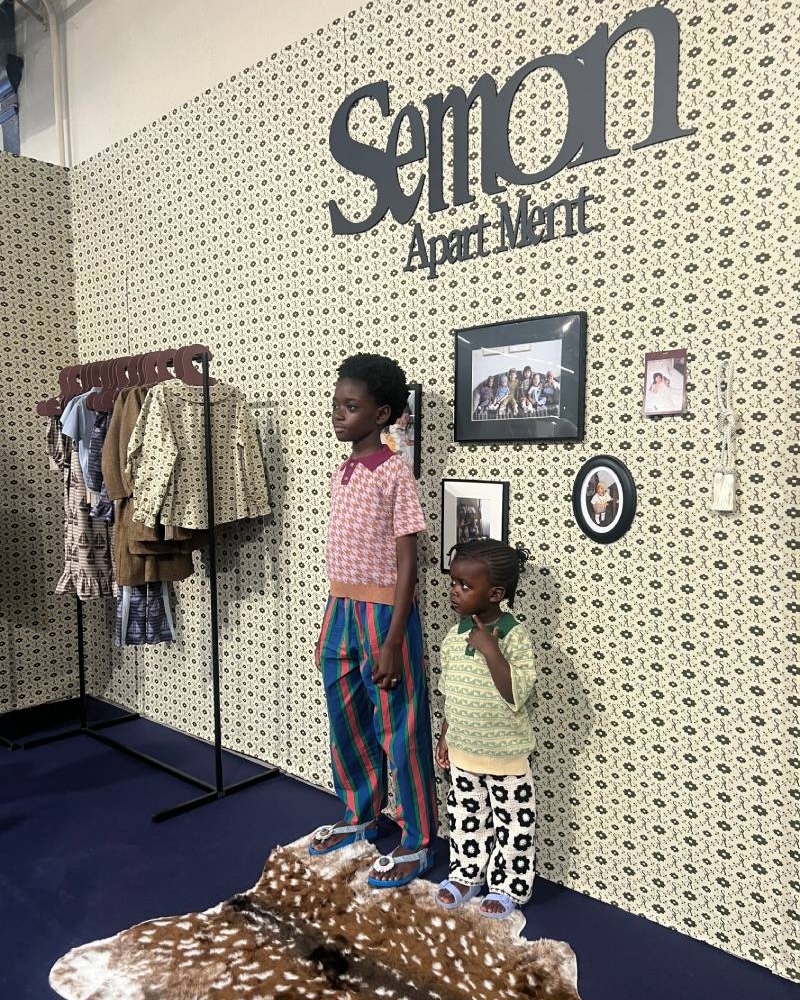
My good friend and stylist Hélène Redolfi had also planned to visit some brands, including Semon ApartMent. We were supposed to attend the event together, but unfortunately she couldn’t come. We often collaborate and she regularly recommends me, so I hope we can do it together next time.
What I particularly enjoyed was seeing how connected this community is. I met illustrators and creatives I had previously only known online, as well as buyers from Qatar who already knew and loved Sidate through social media. They had previously made clothes for him for our traditional events and sent him gifts, so crossing paths with them at Playtime felt especially meaningful.
It also reminded me how authentic and selective my work is. I carefully choose the brands I buy from, collaborate with, and recommend, so seeing people and brands I already know and trust at Playtime felt very reassuring.
I left with something valuable: inspiration, new connections, and a deeper understanding of the children’s fashion community. It was such a great, inspiring experience that we didn’t see the time go by.
I’m grateful to Playtime and Kidding for inviting us, and for the lovely gifts after the event. We also connected with many amazing brands who later reached out to us for collaborations. We truly hope to be back for the next edition!
Yes, definitely! I’m always working on something, I never really stop. There are some exciting projects coming up, including campaigns and editorials, although I can’t reveal too much just yet. But there are definitely some beautiful things in the works, and I’m excited to share them soon.
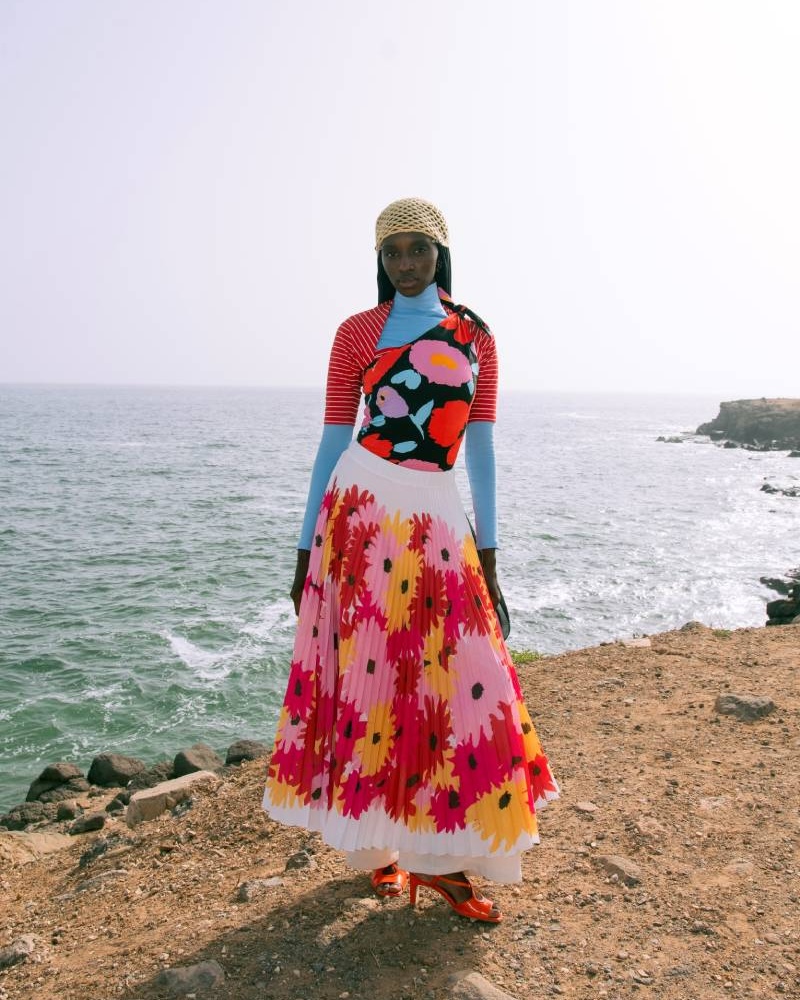
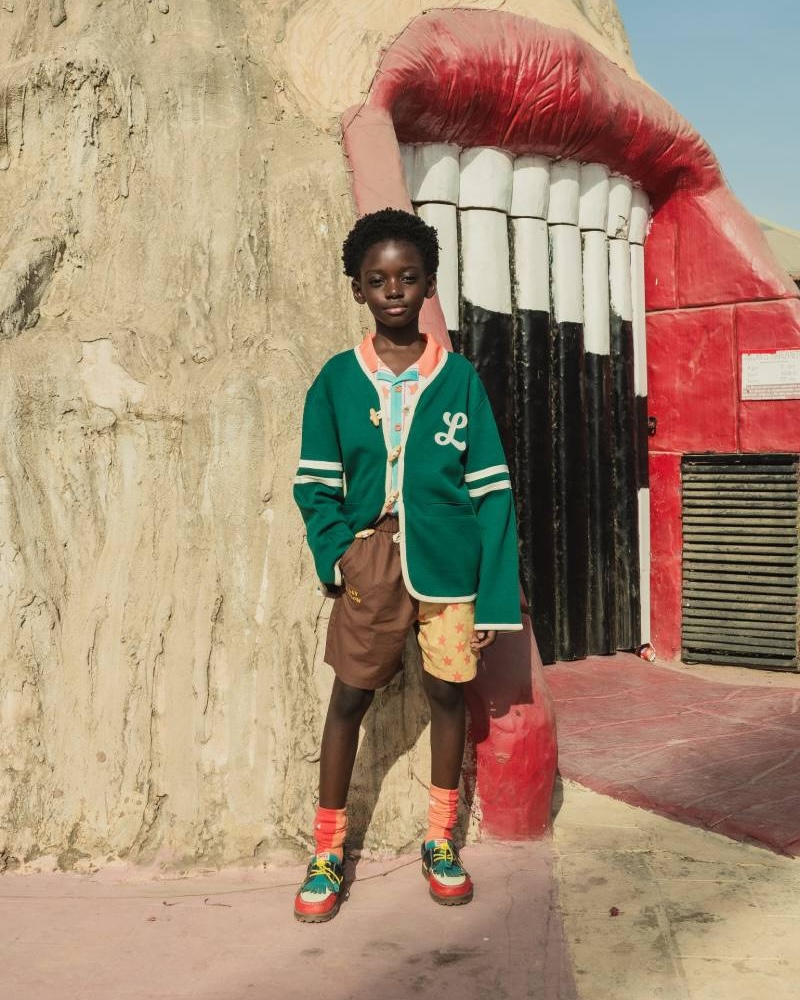
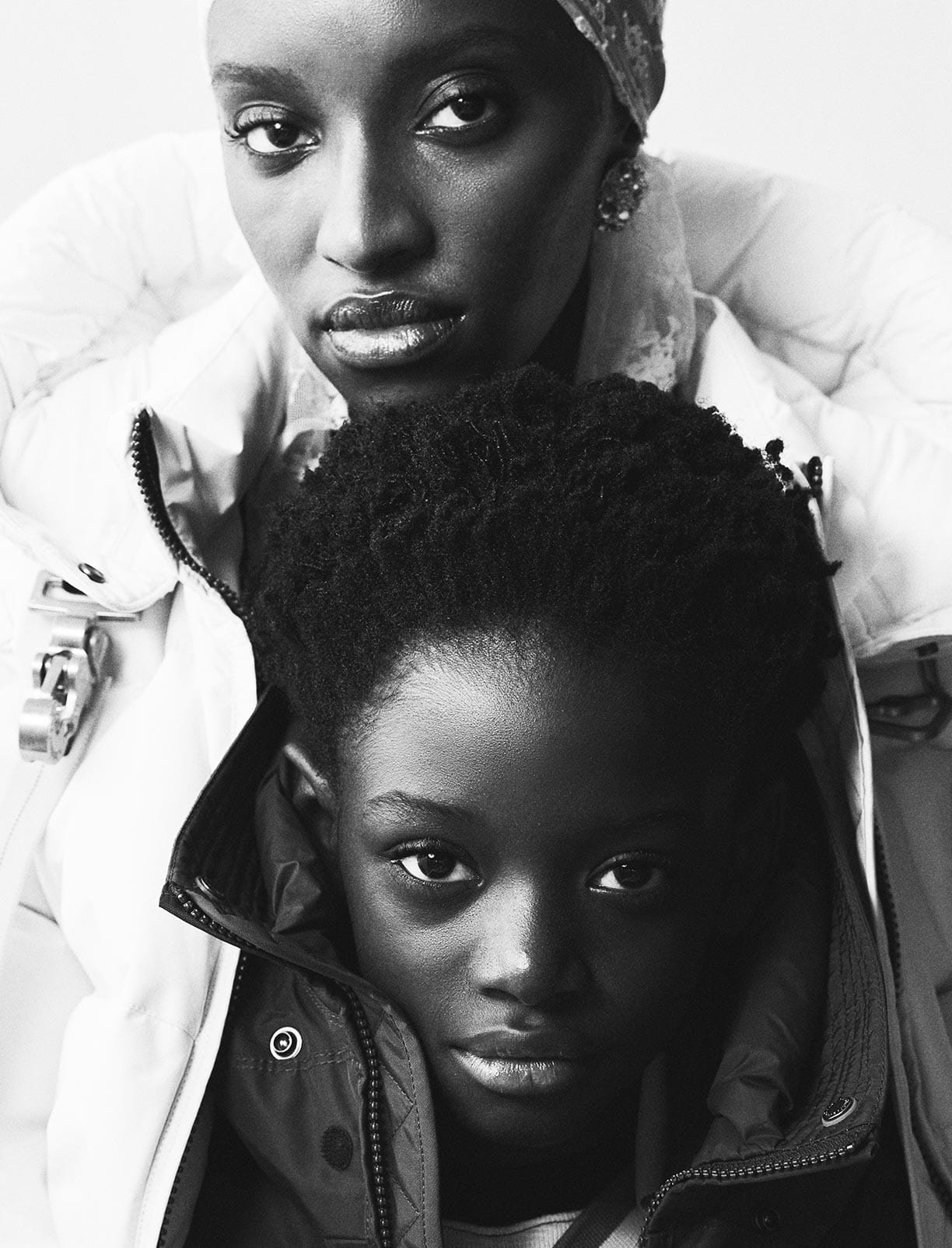 Mously and Sidate for Parajumpers AW26 campaign
Thank you so much to Mously for sharing this behind-the-scenes look into her unique universe! We were so happy to have her at the show for her first time this summer, and can’t wait to continue discovering her work. You can follow along with her on Instagram @mouslykb!
If you’re interested in learning more about the kid’s fashion industry in Senegal, be sure to check out this interview with stylist and Mously’s friend, Hélène Redolfi-Ferrari from earlier this year, as well as this introduction to some stores there.